OCC says the nine largest US banks engaged in debanking practices
ablokhin
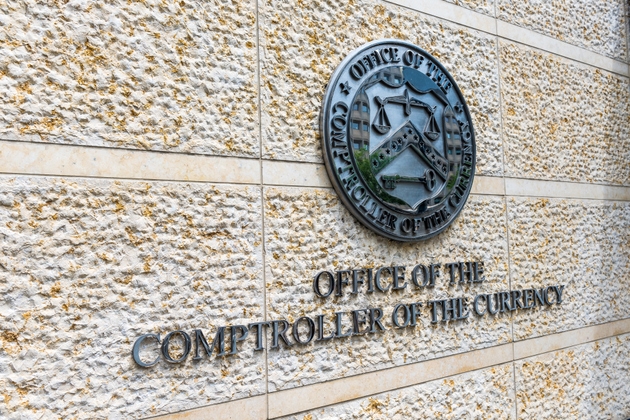
The Office of the Comptroller of the Currency released a report on Wednesday, alleging that the nine largest U.S. banks engaged in some form of so-called "debanking" — denying access to financial services for their political or religious beliefs or for their lawful business activities.
The banks are JPMorgan Chase (JPM), Bank of America (BAC), Citibank (C), Wells Fargo Bank (WFC), U.S. Bank (USB), Capital One (COF), PNC Bank (PNC), TD Bank (TD), and BMO Bank (BMO), the agency said.
The issue of debanking has become one of President Donald Trump's gripes against big banks, as he claims he's been a victim of the practice. In January, he filed a $5B lawsuit against JPMorgan Chase, alleging the bank cut ties with him because of political reasons.
Its supervisory review sought to determine whether the banks' policies or practices required, encouraged, or otherwise influenced banks to deny or limit access to financial services based on their customers' political or religious beliefs or lawful business activities. The OCC’s findings show that, between 2020 and September 2025, all nine banks had such policies, the agency said in a statement.
"Today’s report provides irrefutable evidence that the nation’s largest banks have denied, debanked, and discriminated against customers and lawful businesses," said Comptroller of the Currency Jonathan V. Gould.
The report cited broad reputation risk policies, which lacked clear standards and objectives, for disadvantaging certain Americans. It also found that the banks had policies restricting certain industry sectors' access to financial services, including oil and gas exploration, coal mining or coal-powered plants, firearms or ammunition manufacturing or distribution, construction or operation of detention facilities, the manufacturing, distribution, or online retail of tobacco or e-cigarettes, and digital asset activities.
While some efforts have been made by banks to change those practices, Gould said he's not confident that will be enough. As a result, the OCC will consider further changes to the regulatory and supervisory framework applicable to the largest bank.
Dear readers: We recognize that politics often intersects with the financial news of the day, so we invite you to click here to join the separate political discussion.
KioskNews shows a cleaned-up reading view extracted from the publisher’s page — the original always lives on their site, not ours.