Two years on from our first newsletter … how has the Long Wave evolved?
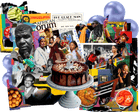
The Long Wave is two! And over the past year, once again, it has surprised us with the breadth of stories and events in the diaspora.
The Long Wave has also evolved into a large community, with many readers getting in touch and sharing their thoughts, tips and sometimes their polite disagreements. We welcome and relish all of it. Here is the team’s selection of our favourite editions.
How to use the holidays to stop our ‘WhatsApp aunties’ falling for AI
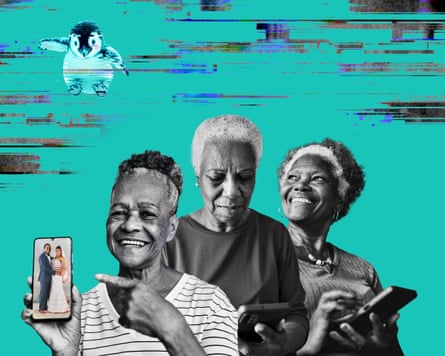
It’s wild that this has become even *more* of a problem since this edition earlier in the year. Just in the past few weeks, social media has been inundated with memes about aunties and mums being duped and entranced by AI, but accompanied with little or no insight on grappling with that. This edition remains ahead of the curve and relevant. Nesrine
How we eat and gather is central to who we are: the diaspora at Christmas
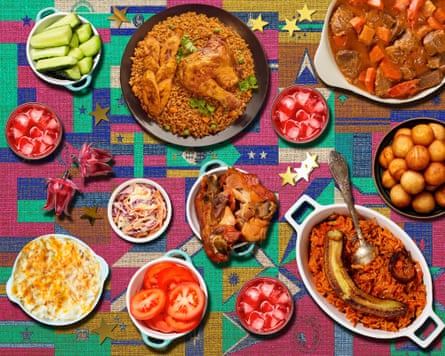
Morgan and I had so much fun putting together this edition which explored Christmas food traditions from across the diaspora. Alongside customs that are unique and deeply personal sit traditions that transcend continents, from hibiscus-based beverages like sorrel, to side dishes that help connect families to their ancestral roots. Dipo Faloyin, guest editor
How did Arsenal become a home for Black players and fans?
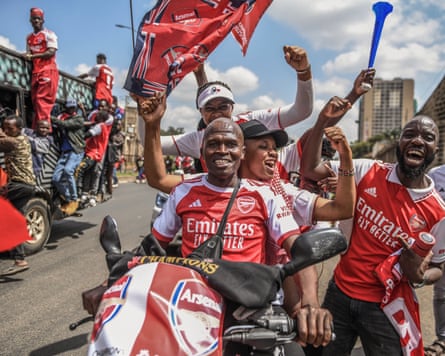
One of the best things about working on this newsletter is that something can all of a sudden become the zeitgeist, and it’s never fully understood unless seen via the lens of a diasporan. When Arsenal ended a 22-year Premier League drought, and attention around the football club exploded, it was my pleasure to explain why Bukayo Saka, Jurrien Timber and Myles Lewis-Skelly mean as much to those in Manor House, north London as they do to people in Mombasa, Kenya. Morgan Ofori, the Long Wave team
Braiding used to be low maintenance and budget-friendly. What happened?
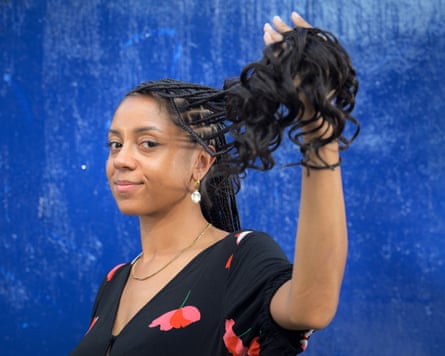
This piece on the skyrocketing price of box braids definitely provoked the most fun, and the most furore, in my time writing for the Long Wave. Anna Gifty Opoku-Agyeman, economist, Harvard PhD student and author of The Double Tax: How Women of Color Are Overcharged and Underpaid, challenged some of my assumptions about why getting our hair done has become so expensive – pointing out that the economic pressures meaning that Black customers are overcharged are the same ones that cause braiders to be underpaid. The piece set my social media on fire (my comments section is yet to recover). Ama Hair Salon in Tottenham also gave me some amazing French curl braids and cornrows for the piece, and the photos by Christian Sinibaldi were gorgeous. Micha Frazer-Carroll, Long Wave editor
Chasing Freedom: a poignant reflection on empire, education and parental expectations
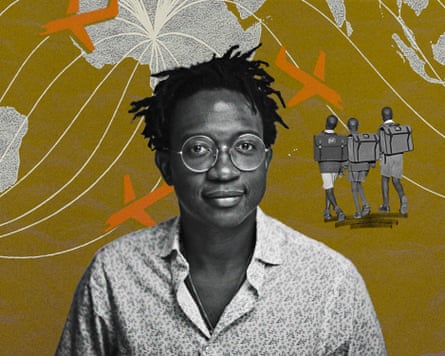
I still think about this book. Writing about it and what it triggered in realisation and homesickness felt like a second part of the reading process. I felt very lucky to have the space to do that for myself, as well as introduce the book to new readers. Nesrine
after newsletter promotion
Suad Mooge on Ireland’s Rose of Tralee, navigating backlash and celebrating identity
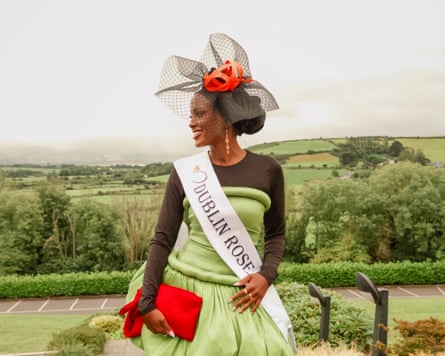
Speaking of amazing pictures, I also loved Nesrine’s interview with Dublin Rose of Tralee contestant (and general ray of sunshine) Suad Mooge. Nesrine and Mooge delved into the online abuse Mooge faced during the traditional Irish festival. Their conversation built on our previous coverage of a kind of exceptionalism that crops up in Ireland around racism. “We just brush things under the rug,” Mooge said. “Yes, there is a lot of noise online and in person, everyone is lovely. In the same breath, there is an issue. We need to face it.” This edition also included a vibrant carnival cartoon by our regular contributor Sarah Akinterinwa, which linked our traditions across borders. Micha
Who’s your Uber driver on the phone to? Welcome to the long, long diaspora phone call
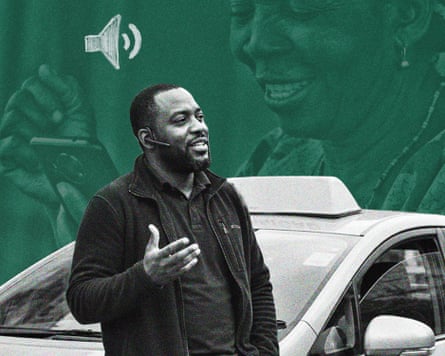
Staying in touch with family and loved ones in the age of social media is quite easy. But keeping up with a more ritualistic form of communicating across continents is a laborious task; ask anyone who grew up using pre-paid international phone cards and a trusty landline. I loved how Nesrine used the example of cab drivers to explore the ways many of us and preceding generations navigate ‘the dislocations’ of immigrant life via a beefy, marathon phone call. Judging by the avalanche of responses in our inbox (more than we could humanly answer) and the online reception, this was a hugely popular edition. Morgan
To receive the complete version of The Long Wave in your inbox every Wednesday, please subscribe here.
Competition
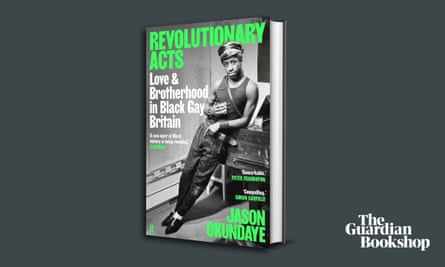
We’ve extended the competition! What, to you, is the most memorable edition of the Long Wave? Perhaps there was a piece you deeply related to, or one that drew your attention to a shared diaspora experience?
Send us your name, location, your chosen edition, and 3-5 sentences explaining why. Our favourite responses will receive a copy of former Long Wave editor Jason Okundaye’s book Revolutionary Acts: Love and Brotherhood in Black Gay Britain – part of the Guardian Bbookshop’s Black History Month collection. They may also be published in a future edition of the Long Wave.
Entries should be submitted to thelongwave@theguardian.com by 9am on Monday 2 November.
KioskNews shows a cleaned-up reading view extracted from the publisher’s page — the original always lives on their site, not ours.