What the China-Nepal floods teach us about crisis communication
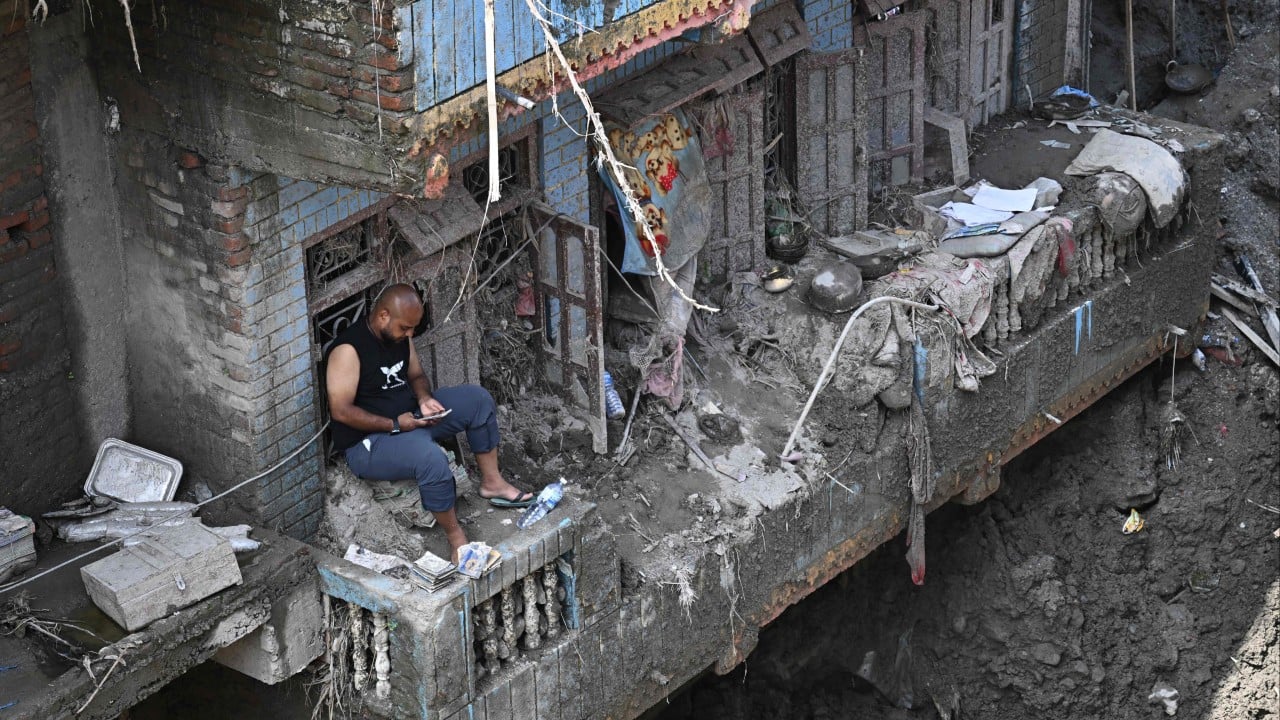
The Himalayan disaster that tore through the China-Nepal border last month was a human calamity before it became a media story. A torrent of ice, rock, mud and debris swept through valleys, destroying key infrastructure, severing roads and communications, and leaving families desperate for news.
In Gyirong county in the Tibet autonomous region, the disaster hit a major border crossing and created a rescue environment as physically difficult as any imaginable. The human toll extends beyond the confirmed dead. With people unaccounted for and recovery work continuing, families on both sides of the border are still waiting for answers.
In terrain like this, uncertainty is unavoidable. Rescue operations were hampered by unstable slopes, damaged roads and difficult conditions in a narrow gorge, delaying the arrival of heavy machinery. Those constraints also restricted the flow of information from the area in the first few days.
KioskNews shows a cleaned-up reading view extracted from the publisher’s page — the original always lives on their site, not ours.