Club Kid Review: Thanks To Jordan Firstman, A Pitch-Perfect Take On Familiar Tropes
While it may be driven by well-worn formula, Jordan Firstman's Club Kid thrives on a deeply vulnerable and quietly charming emotional core.

Brandon Zachary is a Lead Writer for Screen Rant's New Movie Team. He also writes or has written for Comicbook.com, CBR, That Hashtag Show, Just Watch, and TVBrittanyF. Brandon is an Emerging Screenwriters Semi-Finalist, co-writer of a Screencraft Quarter-Finalist, a seasoned on-screen interviewer, and a MASSIVE nerd. You can reach him at bs.zachary@gmail.com
Tropes and clichés aren't necessarily a bad thing. It can be easy to consider them problems, especially if one consumes a lot of entertainment and storytelling, but the ultimate marker of a good story is how it uses the formulas. Sometimes genres blend together or get subverted, other times it comes down to grounding the unbelievable or having a distinct voice.
That last approach is central to Club Kid, Jordan Firstman's feature-length debut and one of 2026's best dramedies. While it's unabashed in its use of archetypes (wacky neighbor and foreign roommate included), it refuses to be defined by those elements. Instead, it uses them as the bones for a story about hitting rock bottom and climbing back up, all bolstered by one of the best "unexpected father/son" dynamics in years. A24's Club Kid is a terrific showcase for Firstman, and despite the trope-y aspects of the plot, a terrifically singular movie.
Club Kid Dances Into Your Heart And Doesn't Back Off

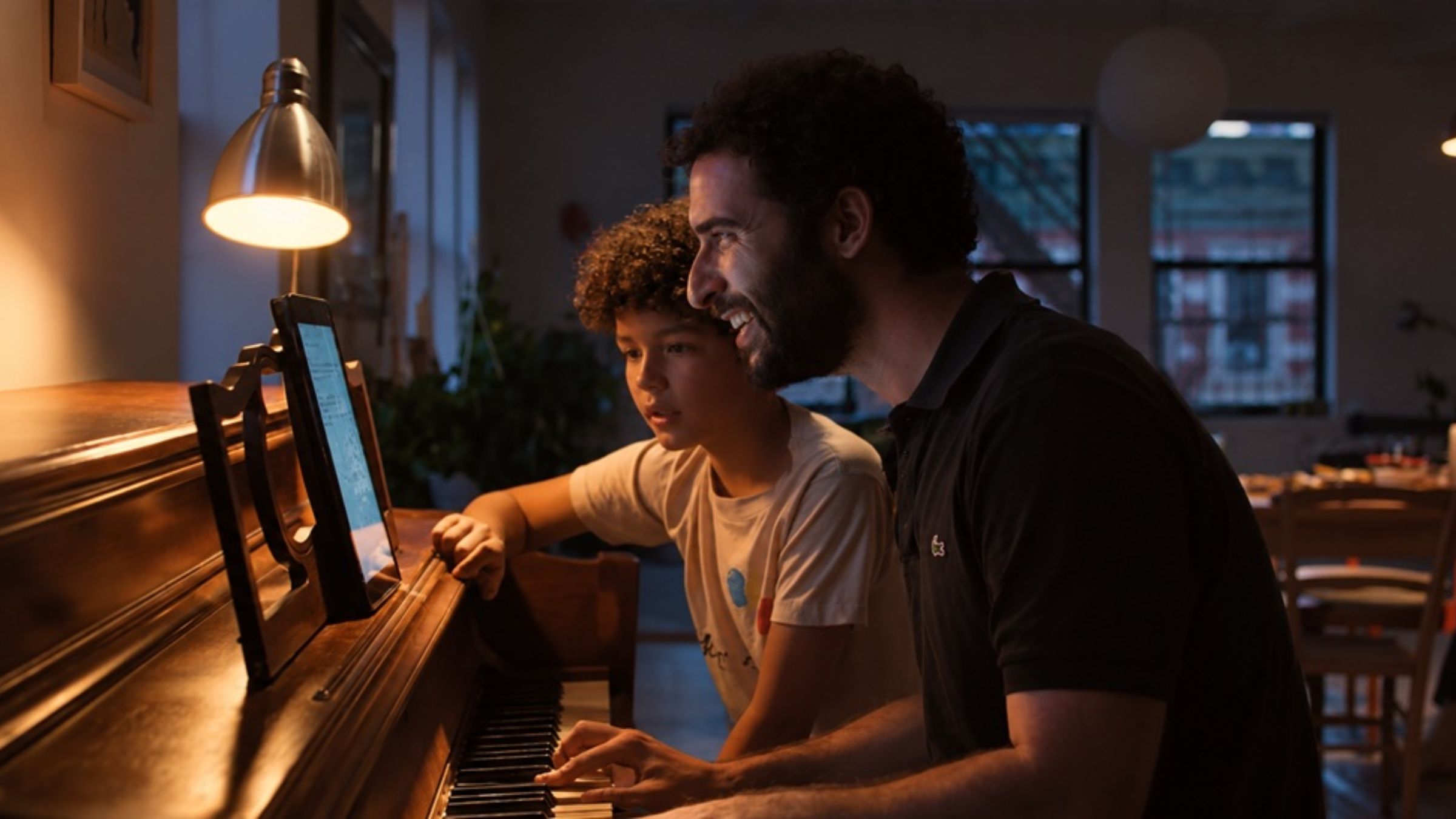
Club Kid follows the same narrative trajectory as plenty of other "immature man becomes capable father" films, but thrives thanks to the spirited directing, writing, and acting of Jordan Firstman. Set in modern-day New York City, Firstman's Peter is a club promoter who moonlights as a low-grade drug dealer. However, an impromptu hook-up a decade prior comes back to his doorstep in the form of his son, Arlo (Reggie Absolom).
There are plenty of films that deal with the challenges of being a flawed father-figure, with a tonal space that can contain everything from neorealist dramas like Bicycle Thieves to broad comedies like Big Daddy. Club Kid doesn't necessarily break new ground in that long lineage of movies, but it sure does nail the specific tenor and emotional tone of the story.
Peter's corner of New York is a crunchy little cityscape, with plenty of silly touches that never feel disconnected from the reality of the situation. That willingness to go big fits characters like Peter, who finds himself balancing his internal struggles, external charm, and newfound drive in ways he never expected. Firstman is great, playing Peter with an authenticity that doesn't mute his thematic elements.
He finds a great scene partner in Reggie Absolom, who delivers a nuanced portrayal of a cool kid with wide eyes and a quietly trembling heart. There's a real sense of connection that grows in the performance, without ever making the characters feel either unreal or mundane. It's a credit to Firstman's control of tone that each familiar element never registers as too repetitive.
With Firstman serving as the director, writer, and star, the film could have easily felt overwhelmed or too reliant on one aspect. Instead, the movie flows together beautifully thanks to an underlying layer of craft and care. That's why Club Kid works so well, elevating itself among the films that follow this formula.
Club Kid Proves That Tropes Can Feel Unique Again

Peter's arc is a familiar one, but the focus on the club culture (complete with casual drug use, late night raves, and trans DJ mentors) gives it a unique flavor that is quick to be funny but not afraid to reveal its vulnerabilities. Club Kid doesn't really have a firm flaw, although there are moments when the adherence to formula is more noticeable than others.
When the movie more thoroughly embraces tropes, like with the friend and neighbor characters, Eldar Isgandarov's Nicky and Colleen Camp's Evelyn, it feels more conventional in its bones. Both Isgandarov and Camp have a lot of fun with the roles, just as the performances across the board add depth to each archetype in turn. However, the movie loses the unique crackle that otherwise elevates it.
Conversely, in the moments where it lets the reality of the situation or the vulnerability of the characters land, Club Kid sings. These moments are when the film genuinely feels less like a part of a genre and more like a truly individual piece. Firstman's talent in front of and behind the camera is impressive throughout, especially with the help of Emmy-winning cinematographer Adam Newport-Berra.
On paper, Club Kid sounds like a new take on an established formula. In practice, it thrives on distinctive vibes and confident filmmaking.
The New York of Club Kid is the film in a nutshell: Familiar locations and elements, but explored with fresh eyes and brought to life through a beautifully unique voice. There's a terrific balance of love and loss, comedy and sadness, that never feels forced or artificial. It's a movie that uses tropes but isn't defined by them, instead going by its own beat.
On paper, Club Kid sounds like a new take on an established formula. In practice, it thrives on distinctive vibes and confident filmmaking. The fact that it's a feature-length debut for Firstman makes it even more impressive.
Club Kid releases in limited US theaters on Friday, November 6.

Club Kid

9/10
- Release Date
- November 6, 2026
- Runtime
- 122 minutes
- Director
- Jordan Firstman
- Writers
- Jordan Firstman
KioskNews shows a cleaned-up reading view extracted from the publisher’s page — the original always lives on their site, not ours.