El Jalapeño: Tourists in ‘vacation mode’ not at risk from brain-eating amoeba, Yucatán health officials confirm
All stories in El Jalapeño are satire and not real news. Check out the original article here.
MÉRIDA, Yucatán — State health officials and regional tourism representatives issued a joint public service announcement today reassuring visitors that while the microscopic organism Naegleria fowleri was recently discovered in an artificial lake on the Yucatán Peninsula, it typically displays a marked preference for higher-order intellectual matter and is therefore unlikely to find much interest in the average tourist in “vacation mode.”
The advisory, released following heightened online anxiety among international travel forums, sought to clarify that the single-celled organism — popularly known as the “brain-eating amoeba” — is extremely selective in its dietary habits. Medical researchers confirmed that after initial contact, the organism typically conducts a brief structural assessment, retreating if there is insufficient intellectual sustenance.
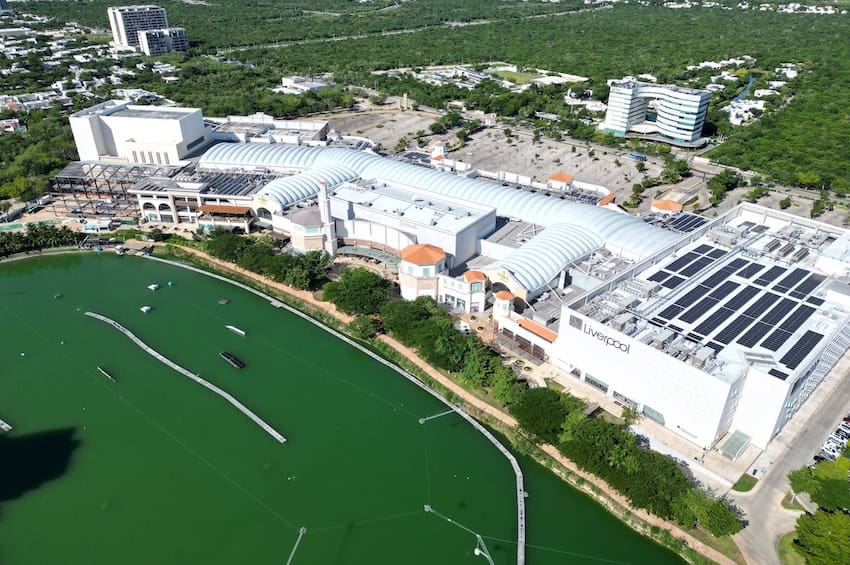
“We want to assure our valued international guests that our local beaches, hotel pools and cenotes remain exceptionally safe,” said Dr. Alejandro Mendez, lead epidemiologist for the regional public health board. “The biological reality is that Naegleria fowleri requires a specific threshold of complex neural activity to sustain its lifecycle. Our comprehensive sampling indicates that individuals who spend their time debating whether to order a third frozen margarita do not meet the microorganism’s baseline nutritional criteria.”
The tourism board echoed these findings, noting that regional swim spots have seen zero incidents among visitors whose primary brain activity consists of calculating tip conversions or worrying about sunscreen application. Officials stressed that the water conditions are monitored daily, with safety ratings adjusted according to the collective academic output of swimmers present at any given time.
Hotel operators across Mérida and Tulum have already updated their guest welcome packets to include the new health guidelines, advising visitors to leave heavy philosophical literature on the beach and to engage exclusively in casual, low-effort small talk while submerged in natural springs.
“Our goal has always been total relaxation for our guests,” said resort manager Sofia Morales. “Now we can scientifically prove that turning off your brain at the pool bar is not just a leisure choice — it is a vital safety precaution.”

Check out our Jalapeño archive here.
Got an idea for a Jalapeño article? Email us with your suggestions!
KioskNews shows a cleaned-up reading view extracted from the publisher’s page — the original always lives on their site, not ours.