Hong Kong port needs a new lease of life in value-driven era
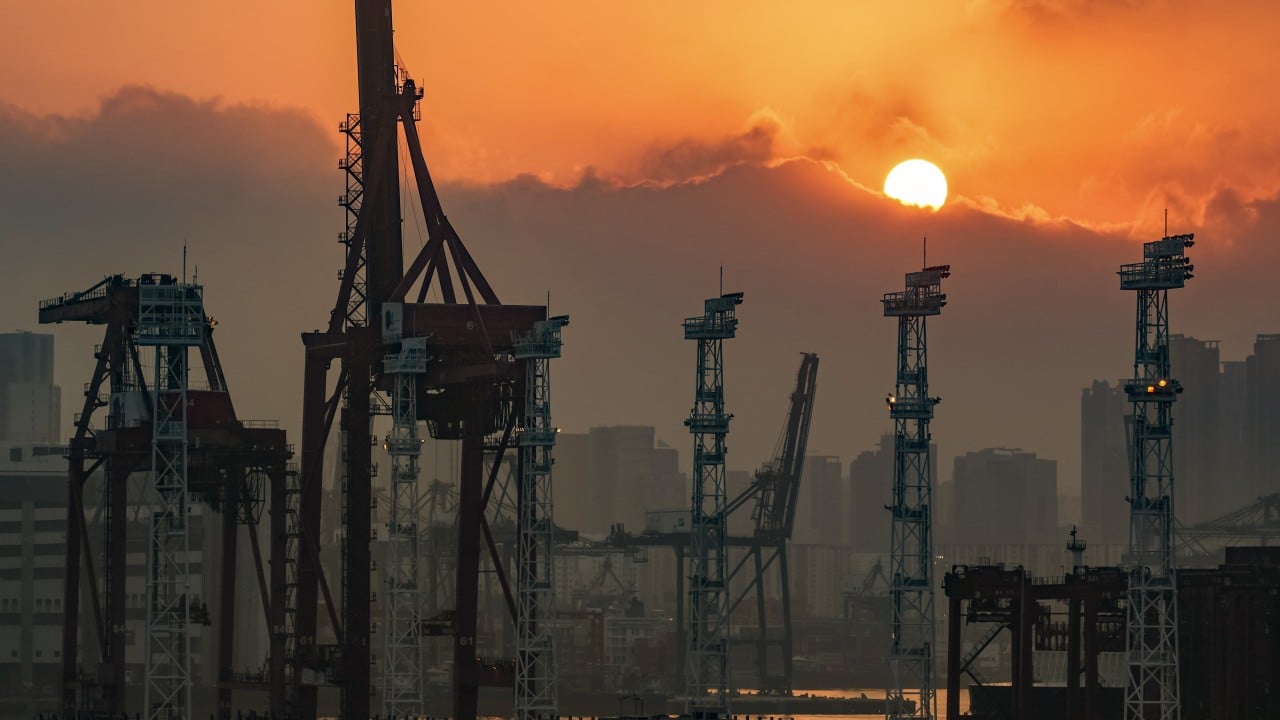
Hong Kong’s surging exports amid recent global trade shifts and tariff measures are reason to celebrate. However, they have not reversed the decline in the city’s port’s container throughput, which hit 12.99 million 20-foot equivalent units in 2025, down 5.1 per cent year on year.
To address public doubts over the city’s standing as an international shipping centre, Hong Kong’s first five-year plan seeks to transform the maritime hub from being throughput-driven to value-driven. The policy emphasis falls on cultivating a commodity trading ecosystem and advancing high-value services, ranging from shipping finance and marine insurance to ship management and maritime dispute resolution.
As Hong Kong pivots towards maritime services, there are fundamental questions about the strategic purpose of the city’s physical port in a value-driven era. How should the port evolve so physical cargo flows power Hong Kong’s high-value service ecosystem instead of lagging behind?
As maritime value compounds on operational scale, high-value maritime services cannot exist in a vacuum. A thriving port provides the essential foundation, real-time data and practical exposure needed to build top-tier maritime services. Dockside operations generate the intelligence required for marine surveying, vessel inspection, risk assessment and claims settlement.
Furthermore, port calls are indispensable for high-margin strategic initiatives such as green marine fuel bunkering and trading. Every vessel docking creates an immediate commercial opportunity for bunkering, which in turn refines local practices, builds liquidity in green fuel trading and yields associated service fees.
Without sufficient traffic, the operational feedback loop breaks. This erodes the city’s ability to price risk, structure complex maritime products or maintain its service edge over competing regional hubs.
However, aiming for the throughput levels seen 10 or 20 years ago is unrealistic. Hong Kong must accept the reality that its role as the sole gateway for mainland trade is history. Rather than accepting a self-defeating narrative of lost competition, though, the new pathway includes Hong Kong as a member of the Greater Bay Area port cluster.
The fate of Hong Kong’s port is key to the competitiveness of the cluster. It requires Hong Kong to view the cluster as a collaborative network of ports with distinct roles rather than a collection of competitors.
The city should find its unique value propositions and development direction rooted in comparative advantages. While mainland ports excel at massive industrial scale and primary inland cargo aggregation, Hong Kong’s competitive edge lies in its international connectivity, free port status, common law judicial infrastructure and financial prowess.
By coordinating feeder networks, establishing green energy corridors and standardising cross-boundary digital customs data across the cluster, the Greater Bay Area becomes an integrated, positive-sum ecosystem. In this framework, physical cargo flows across neighbouring ports directly feed into Hong Kong’s high-value maritime services financial architecture.
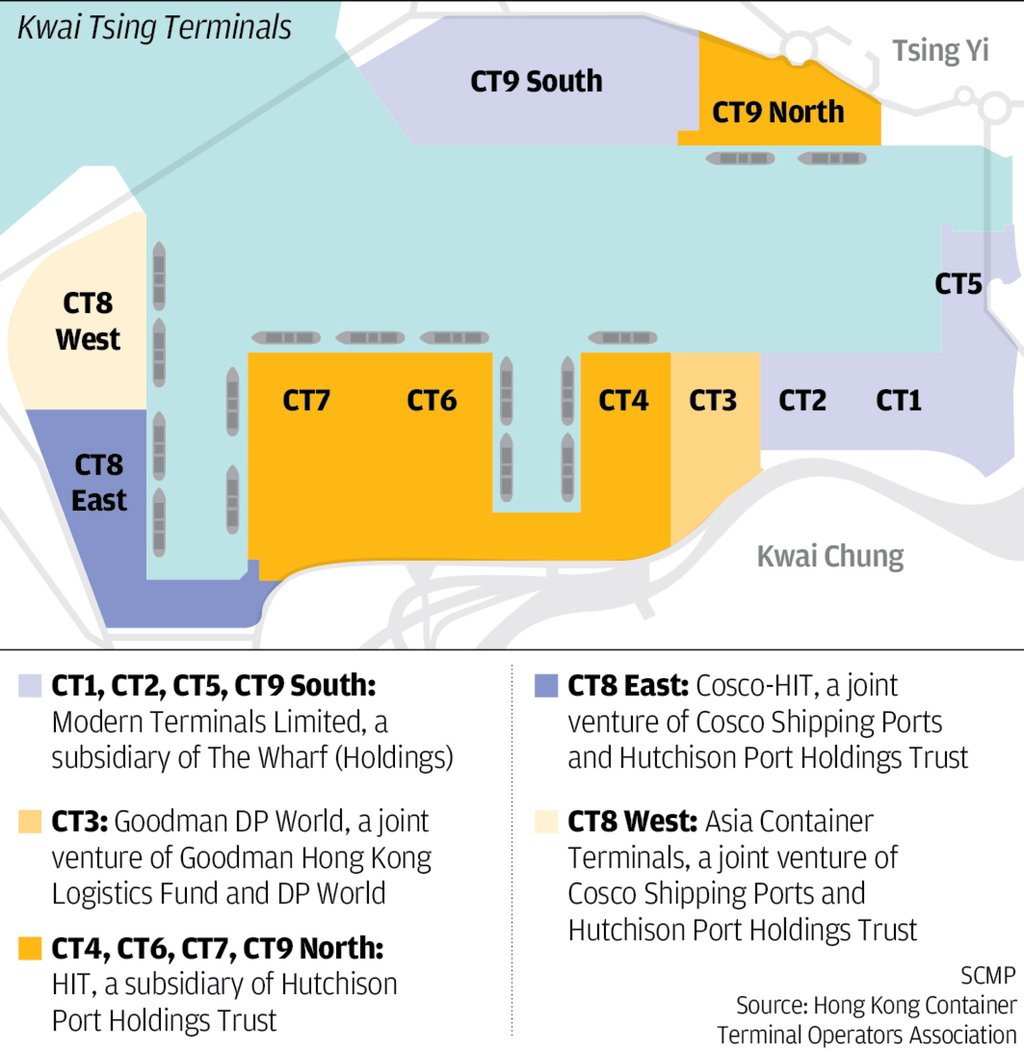
Realising this collaborative vision requires overcoming institutional hurdles rooted in Hong Kong’s port governance model: port ownership, planning and development. Unlike Singapore’s PSA – a public entity fully owned by Temasek – or state-owned mainland port groups, the Kwai Tsing Container Terminals are fragmented across five private operators with distinct corporate structures and commercial priorities, operating under private land leases that run until 2047.
Furthermore, the Marine Department lacks any legislative authority to regulate, guide or mandate Kwai Tsing port planning and infrastructure development. Without legislation, the Transport and Logistics Bureau’s road maps and policies could face limited compliance and cooperation.
This governance vacuum stands in stark contrast to the mainland’s Port Law, which empowers municipal port authorities to issue legally binding port planning master plans. It also compares poorly to Singapore’s Maritime and Port Authority Act, which uses statutory licensing conditions to require licensees’ compliance with any direction given by the authority, which can be revoked or modified.
This institutional reality manifests in three acute market failures. First, industry adoption of smart logistics solutions has remained piecemeal, fragmented and slow as uncoordinated private terminals rely on legacy, proprietary operational systems.
Second, it creates chronic confusion and friction regarding financial responsibilities for infrastructure serving the public good. While the government expects private operators to capitalise long-term decarbonisation assets, private terminal operators might argue that the public benefits of emissions reduction justify direct public financing.
Third, private fragmentation breeds collective action problems. Without a single statutory voice, individual terminal operators lack the unified mandate or incentive to negotiate cooperation with state-backed mainland port authorities.
To bridge this gap, Hong Kong must establish a dedicated statutory port authority equipped with clear regulatory levers, operational licensing oversight and master planning powers over terminal land and operations. A centralised port authority is essential to ensure port operator alignment, coordinate public-private investments in smart and green infrastructure and enter legally binding strategic alliances across the Greater Bay Area.
By replacing fragmentation with central leadership, Hong Kong can ensure its waterfront remains a dynamic, world-class engine driving the region’s premier maritime services hub.
KioskNews shows a cleaned-up reading view extracted from the publisher’s page — the original always lives on their site, not ours.