Charlie Brown's First Appearance Wasn't In Peanuts, And 78 Years Later, He's Unrecognizable

TJ Mills is an editor on ScreenRant's Comic team, where she combines her lifelong passion for DC with her analytical background as a former Intelligence Analyst. Since joining ScreenRant in 2023, she has specialized in covering major DC storylines, character evolutions, and industry developments.
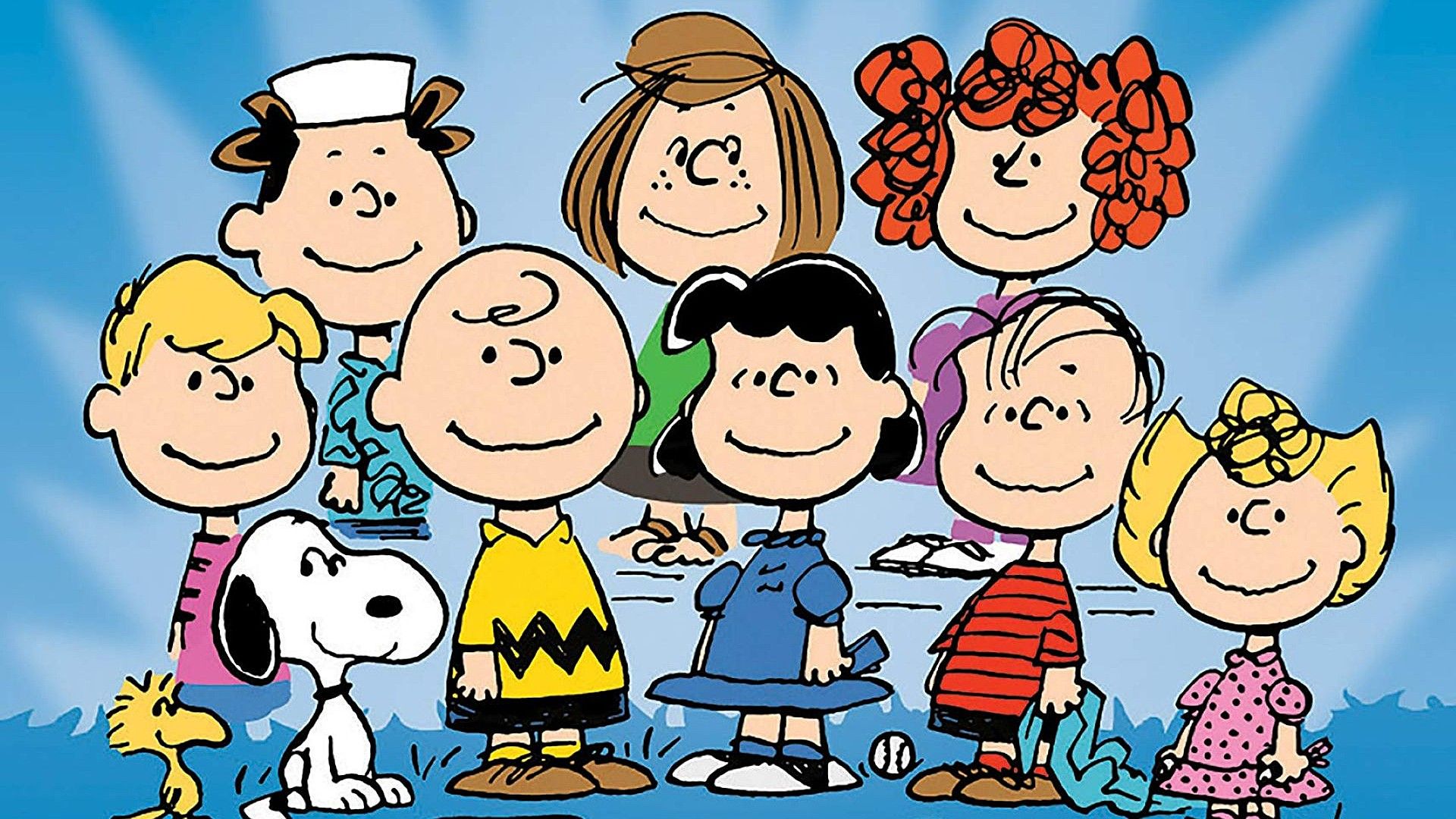
When it comes to comic strips, there is perhaps no face more recognizable than Peanuts’ Charlie Brown. While Charles M. Schulz’s legendary 76-year legacy is closely tied to the beloved character, with Charlie Brown appearing in the very first Peanuts strip, some fans may be surprised to learn that Peanuts was, in fact, not the first comic strip in which Charlie Brown appeared.
The first Peanuts comic strip was published on October 2, 1950, appearing in seven U.S. newspapers and marking the iconic Charlie Brown’s Peanuts debut. The strip featured Charlie Brown walking past Shermy and Patty, prompting Shermy’s now-famous declaration: “Well! Here comes ol' Charlie Brown! Good ol' Charlie Brown...yes, sir! Good ol' Charlie Brown… How I hate him!”
Looking back, Shermy’s unsolicited hatred is particularly hilarious, especially given that the other Peanuts characters roasting Charlie Brown would go on to become one of the strip’s defining gags. However, while this marks Charlie Brown’s first appearance in Peanuts, it wasn’t his first appearance in a comic strip. That honor belongs to Schulz’s first published work, Li’l Folks.
Charlie Brown's First Appearance in Li'l Folks, Explained
Published May 30, 1948

Li’l Folks was Charles M. Schulz’s first regularly published comic strip, running in his hometown paper, the St. Paul Pioneer Press, from June 22, 1947, to January 2, 1950. The strip was defined by its single-panel format and centered on child characters that satirized adult life. Sound familiar? It should, given the many similarities between the content of Li’l Folks and Peanuts, with the former truly serving as a warm-up for what would become Schulz’s most famous work.
However, one of the main differences between Peanuts and Li’l Folks was that Li’l Folks didn’t have a firmly established cast, with Schulz still experimenting with different personalities and character designs. During this period of experimentation, Schulz first used the name Charlie Brown. The name first appeared in a Li’l Folks strip published on May 30, 1948, meaning that Charlie Brown is, in fact, two years older than the Peanuts strip.
This first appearance of the name was tied to a raven-haired little boy wearing a sailor cap, as he shook the paw of a pup who looks exceptionally similar to Peanuts’ Snoopy, though this pup’s name is Rover. In the strip, Charlie Brown says, “Brown’s the name… Charlie Brown… Always glad to greet a fellow constituent!” With his plain outfit, black hair, and sailor hat, this version of Charlie Brown is virtually unrecognizable from the Peanuts character we know today.

However, it is important to note that Charlie Brown, though a recurring name in the Li’l Folks comic, wasn’t exempt from Schulz’s ever-changing experimentation. As a result, Schulz applied the name to various little boys with different designs and personalities. Therefore, the Charlie Brown that we know from Peanuts wasn’t simply carried over from another comic strip, but was instead the final form of Schulz’s artistic experimentation.
Hence, the Charlie Brown we see in Li’l Folks isn’t just visually different from the Charlie Brown of Peanuts, but is, in truth, an entirely different character altogether, despite sharing the same name. Therefore, much like the Li’l Folks comic strip itself, the Charlie Brown character wasn’t abandoned but rather refined into the character that fans know and love today.
It was in Peanuts that Schulz truly nailed down Charlie Brown’s character design and personality. Given this years-long history of development and refinement, it’s no surprise that Peanuts went on to become as legendary as it is today.
KioskNews shows a cleaned-up reading view extracted from the publisher’s page — the original always lives on their site, not ours.