Motorists, households face fresh fuel price hikes

Audio By Vocalize
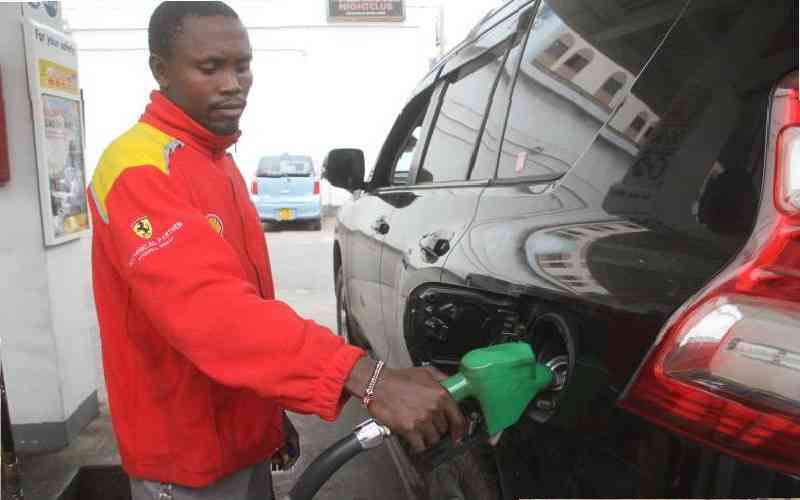
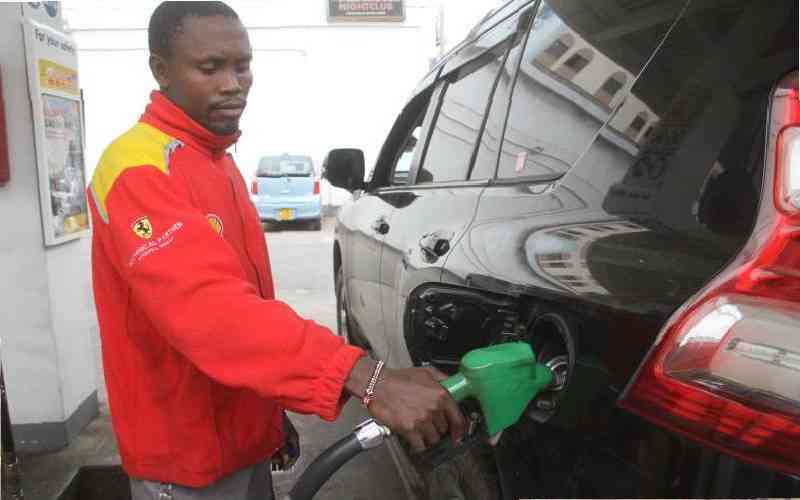
The Energy and Petroleum Regulatory Authority (EPRA) has increased fuel prices, raising the cost of super petrol by Sh12.93 per litre, diesel by Sh9.90, and kerosene by Sh28.49.
The new prices, effective from October 15 to November 14, 2026, will see motorists in Nairobi pay up to Sh226.96 per litre for super petrol, Sh227.76 for diesel, and Sh219.85 for kerosene.
EPRA Director-General Edward Mwirigi Kinyua attributed the price increases to the escalating conflict in the Middle East, which has disrupted petroleum supply chains and driven up the cost of importing fuel.
The rise in kerosene prices is likely to hit low-income households that rely on the fuel for cooking and lighting.
Meanwhile, higher diesel prices could raise the cost of transporting goods and operating public service vehicles, potentially driving up fares and commodity prices.
Diesel is a key fuel for the country's freight transport sector and a significant portion of public service vehicle operations, meaning the increase could have a ripple effect across the economy.
The latest review comes after EPRA maintained pump prices during the September 15 to October 14 pricing period, despite a decline in the cost of importing petrol.
KioskNews shows a cleaned-up reading view extracted from the publisher’s page — the original always lives on their site, not ours.