One League, Two Sponsorship Rulebooks
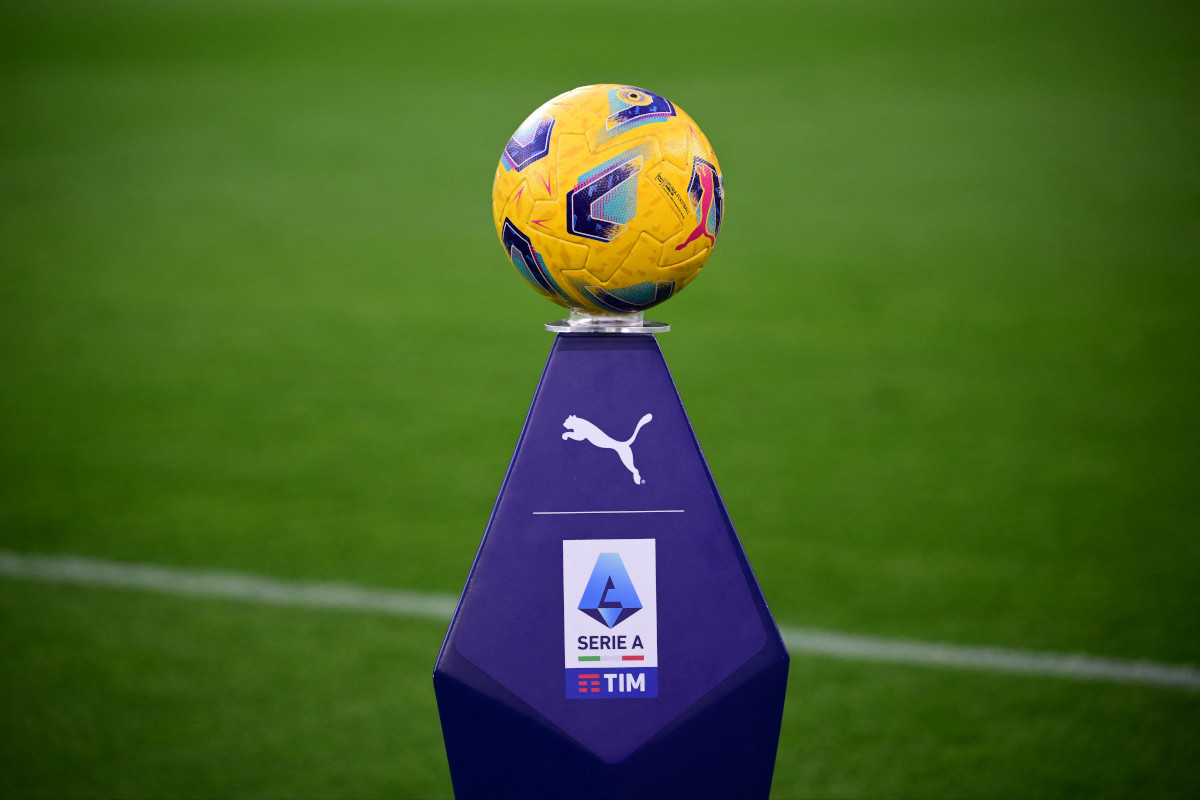
The ball of Italian Serie A is pictured before the Italian Serie A football match between Juventus and Atalanta at the Allianz Stadium in Turin on March 10, 2024. (Photo by MARCO BERTORELLO / AFP) (Photo by MARCO BERTORELLO/AFP via Getty Images)
Lazio’s Polymarket shirt deal didn’t survive the summer. In August, the Rome club parted with the prediction-market company after Italian regulators blocked its website. Yet Serie A had signed its own Polymarket agreement only months earlier, and that partnership was aimed squarely at the United States.
The same company could be ruled out on a Lazio shirt in Italy while appearing in the league’s American media. The difference lies in where each deal is meant to operate.
Lazio’s Search for a Shirt Sponsor
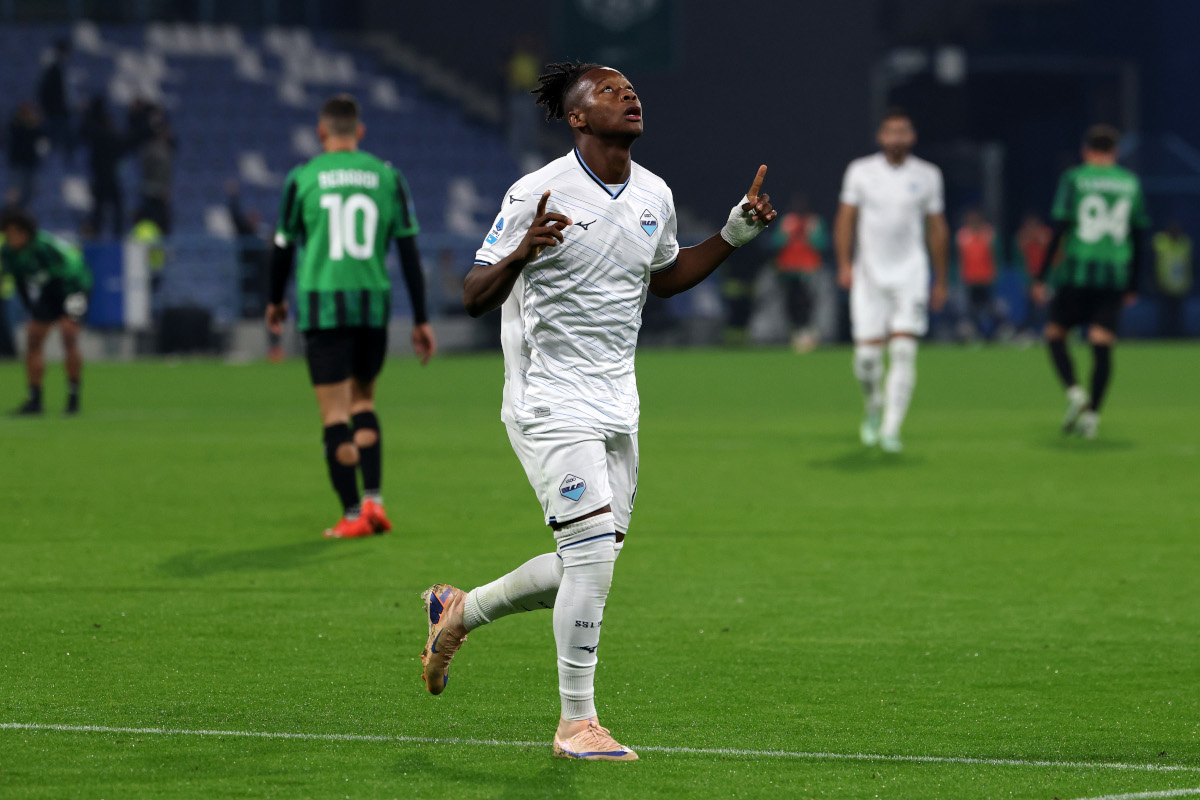
Lazio agreed a two-season sponsorship with Polymarket in April 2026, reportedly worth around €19 million, with an option for another year. It was a significant deal for a club that had struggled to fill the front of its shirt.
A March breakdown of Serie A shirt sponsorship earnings identified Lazio as the only club in the division without a main shirt partner. Inter and Milan, by comparison, were each receiving around €30 million annually from their respective arrangements.
By July, the optimism had faded. Italy’s Customs and Monopolies Agency, known as ADM, had again blocked access to the platform, treating it as an unauthorised gambling operator. Keeping its branding on Lazio shirts had become difficult to reconcile with the Italian advertising rules.
Why an American Deal Is Different

Italy’s Dignity Decree restricts advertising for gambling and betting with cash winnings, including sports sponsorship. Whether a prediction market belongs in that category has been central to the Polymarket dispute. The company’s description of its product as a prediction exchange didn’t prevent ADM from treating its Italian activities as unauthorised gambling.
The United States has a separate regulatory system, and access to prediction markets can depend on the state and the product offered. Readers can see how these distinctions work in practice at CBS Sports Polymarket review, which outlines US eligibility requirements, location restrictions and promotional terms. Those conditions explain who may use the American platform, not whether Polymarket’s branding is permitted on a Serie A shirt in Italy.
Italian clubs need more than assurances about a sponsor’s US operations. They also need to know whether the branding they sell is permitted at home.
Serie A’s US Partnership Has Its Own Terms
On 14 May 2026, Serie A USA named Polymarket its exclusive prediction-market partner in the United States under a multi-year arrangement. According to the league’s official announcement, the agreement covers US media and digital branding, alongside prediction markets using official Serie A data supplied through Genius Sports.
Those are quite different commercial rights from putting a company logo on a Lazio shirt worn in Italian domestic competition. The league’s deal was expressly regional, aimed at American supporters rather than Italian customers.
The agreements moved in different directions over the summer:
- 14 May: Serie A USA announced its American partnership with Polymarket.
- July: Italian restrictions again put Lazio’s shirt deal in doubt.
- 11 August: Lazio and Polymarket agreed to end their sponsorship.
Lazio’s announcement concerned the club’s contract. It didn’t say that Serie A USA’s separate agreement had been cancelled.
Lazio Secured Payment Despite the Split

There was an important financial detail in the 11 August settlement. Lazio said Polymarket would pay the full amount stipulated for the 2026/27 season, even though the sponsorship was ending early. Reports valued that season’s portion at approximately €9.5 million.
That protects one season’s fee, but the shirt space still needs a new buyer for future campaigns. The club and Polymarket also left open the possibility of working together again if the regulatory position changes.
A Contract Must Work Where the Football Is Played
Serie A clubs are looking beyond Italy for new commercial income, particularly in the American market. Regional media partnerships allow the league to reach that audience without necessarily placing the same branding in Italian stadiums.
Lazio’s experience shows why those distinctions need to be written into agreements from the outset. A sponsor can have an international profile and still encounter a local restriction serious enough to end a shirt deal. The league may continue to pursue US partnerships, but clubs selling sponsorship space in Italy have to account for the rules governing that space.
KioskNews shows a cleaned-up reading view extracted from the publisher’s page — the original always lives on their site, not ours.