Israel's 26th Knesset must restore dignity, accountability, and public trust - editorial
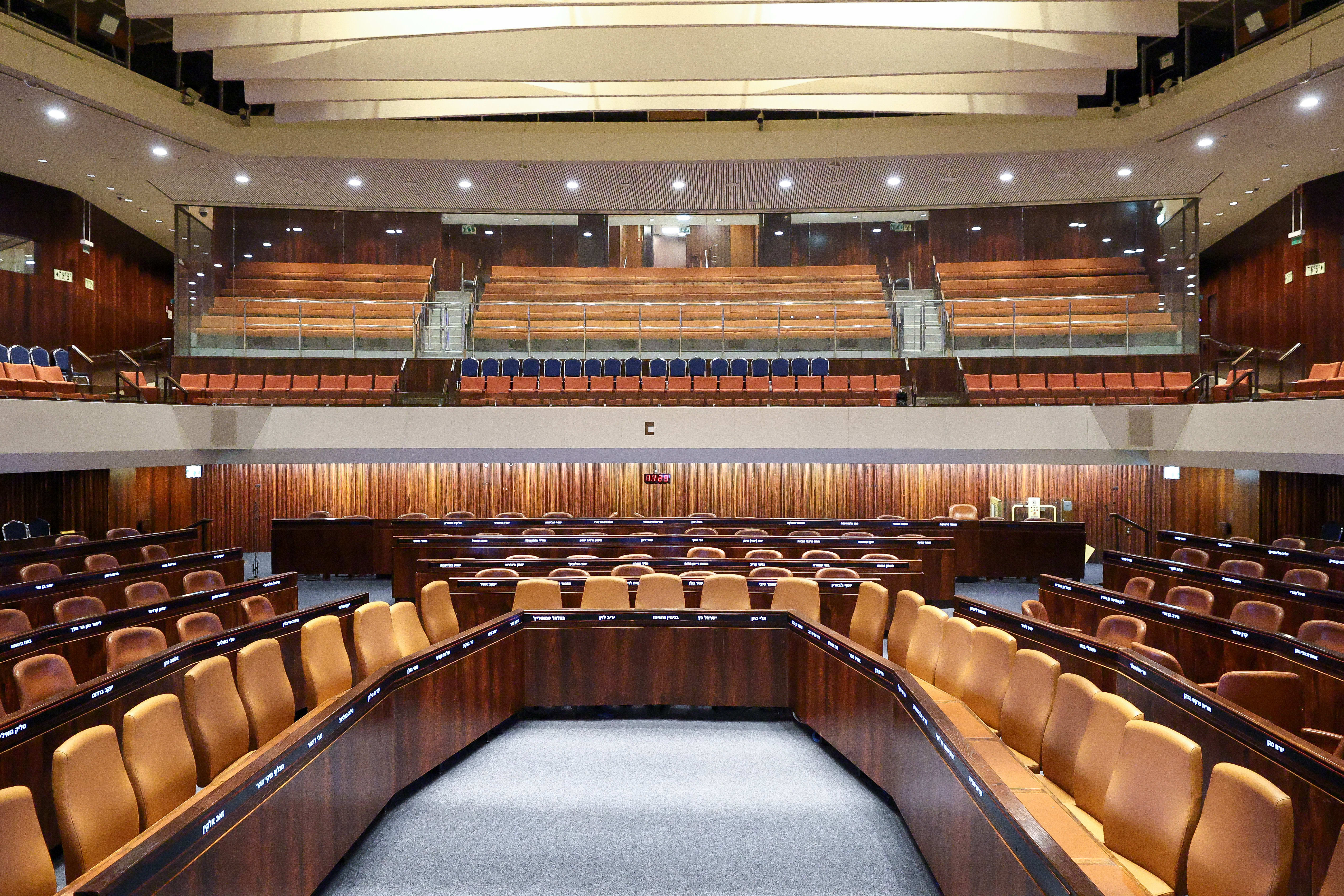
Later today, Israel’s 26th Knesset will convene for the first time, with newly elected members taking their oaths alongside veteran parliamentarians returning to familiar seats.
However bitter the election campaign, the swearing-in ceremony reminds us that the public has entrusted 120 citizens with the serious business of representing it and governing the country.
It also offers an opportunity to restore some order to an institution whose standing has suffered from years of political confrontation, and every faction shares responsibility for setting that tone.
The previous Knesset saw too many sessions descend into shouting matches, personal attacks, and procedural disputes. While such scenes may generate headlines and social media clips, they do little to improve legislation or encourage public confidence. Israelis have every right to expect better from those whose salaries they pay and whose decisions shape their lives.
The new parliament begins its work amid political uncertainty. President Isaac Herzog has tasked Yashar party leader Gadi Eisenkot with forming a government, but the election produced no straightforward coalition majority, and negotiations are ongoing. These could take weeks, with no guarantee they will succeed. The absence of a settled government is no excuse for parliamentary paralysis or disorder.
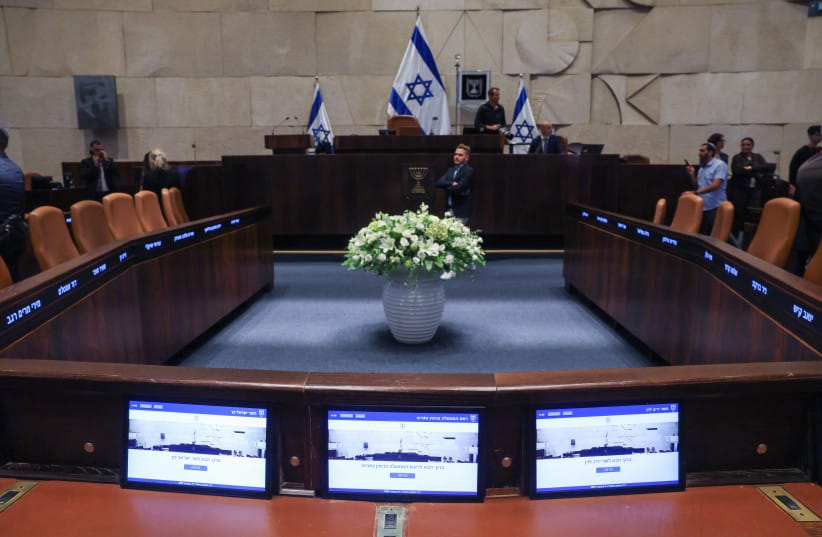
Knesset speaker question overshadows inauguration
Already, the issue of the Knesset speaker’s position has threatened to overshadow the inauguration.
Eisenkot’s Yashar party has approached Shas and United Torah Judaism for support in replacing incumbent Speaker Amir Ohana of Likud. UTJ chairman Yaakov Asher has argued that a new speaker should be chosen when a government is formed, which in many ways is a fair and logical argument. Ohana himself has said he will arrange a vote within a week if 61 MKs submit a formal request, while ruling out holding it on inauguration day.
Replacing Ohana would give the opposition bloc greater control over the parliamentary agenda, including votes, legislation, and committee appointments, even if Prime Minister Benjamin Netanyahu remains in office as head of a caretaker government.
The 2020 precedent, when the High Court intervened after then-speaker Yuli Edelstein refused to convene a vote on his replacement, should remain a warning. A speaker presides over the whole Knesset, including his political opponents, and is bound by the institution’s procedures.
Reports of alleged plans to disrupt a future speaker vote are disturbing, although the allegations remain unsubstantiated. All parties should make clear that intimidation, blocking access to the chamber, or preventing elected representatives from voting has no place in Israel’s democracy.
Parliamentary responsibility, however, goes far beyond the speaker. MKs are elected to scrutinize government decisions, examine budgets, serve on committees, and produce laws that withstand proper debate. Opposition members are obligated to challenge the government seriously, while coalition members must be willing to answer criticism and exercise independent judgment.
In a country confronting the threats that Israel faces, both from within and without, these duties are especially important. Families of reservists, small business owners, and citizens waiting for public services need a functioning legislature, whatever the outcome of the coalition negotiations.
Nobody expects the Knesset to be free of heated arguments, nor should it be. Political disagreements are an essential part of any healthy democracy, and the issues facing Israel will inevitably produce fierce debate. But there is no reason why those disagreements should so frequently descend into personal attacks, shouting matches, and disputes that bring parliamentary proceedings to a halt.
MKs must fulfill their duties to the people
The oath taken on Tuesday should therefore mean more than photographs and congratulations. New MKs will have to learn the responsibilities of their office, while returning members should ask whether the example they have set is one worth following.
The Israeli public has just participated in an emotional and important election, with a strong turnout, despite exhaustion and uncertainty. Voters have fulfilled their democratic responsibility; now it is the turn of those elected.
As the new MKs take their oaths, they have the opportunity to demonstrate that parliamentary standards can be upheld, political differences debated with respect, and the Knesset restored to its rightful place as an institution serving the entire country.
For the 26th Knesset, and for the Israeli public that elected it, that would indeed offer a new hope.
KioskNews shows a cleaned-up reading view extracted from the publisher’s page — the original always lives on their site, not ours.