Steel Stocks Are Defying Market Gloom. Here's What Investors Are Betting On
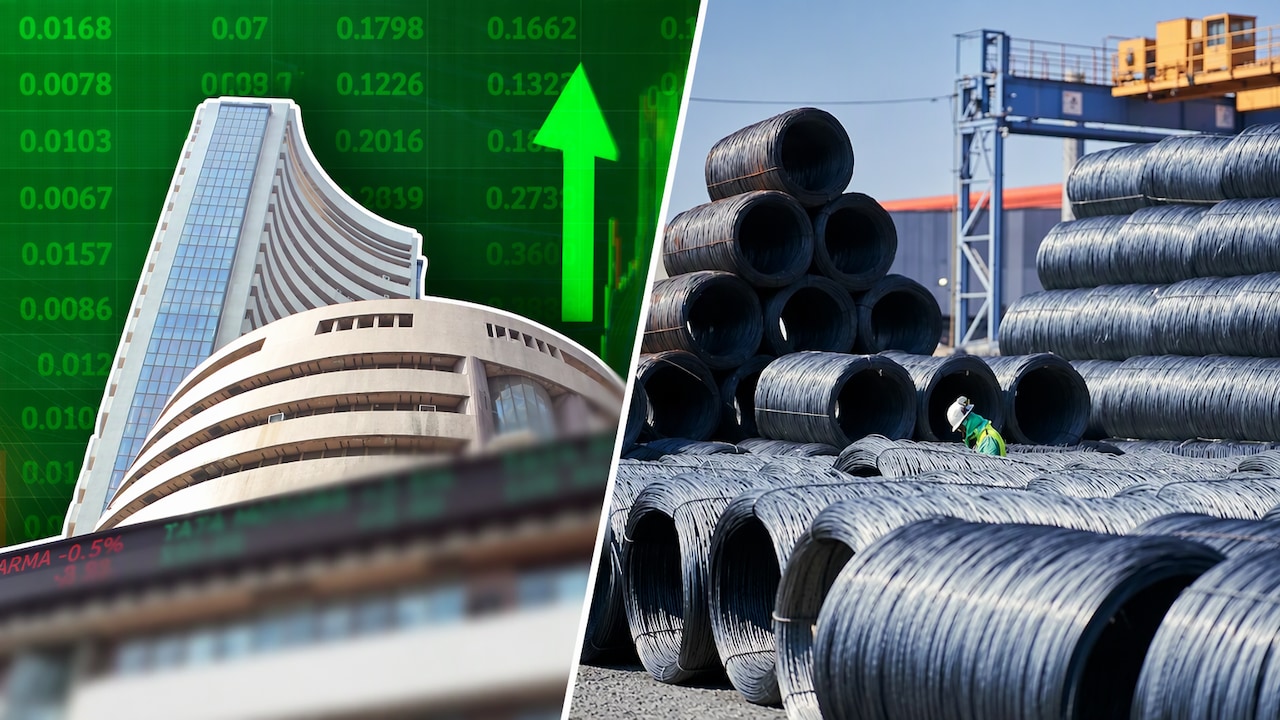
Stock Market Today: Steel prices are under pressure. Chinese exports are flooding global markets. Imports into India are rising. And the cost of making steel is climbing. Yet, steel stocks are delivering returns.
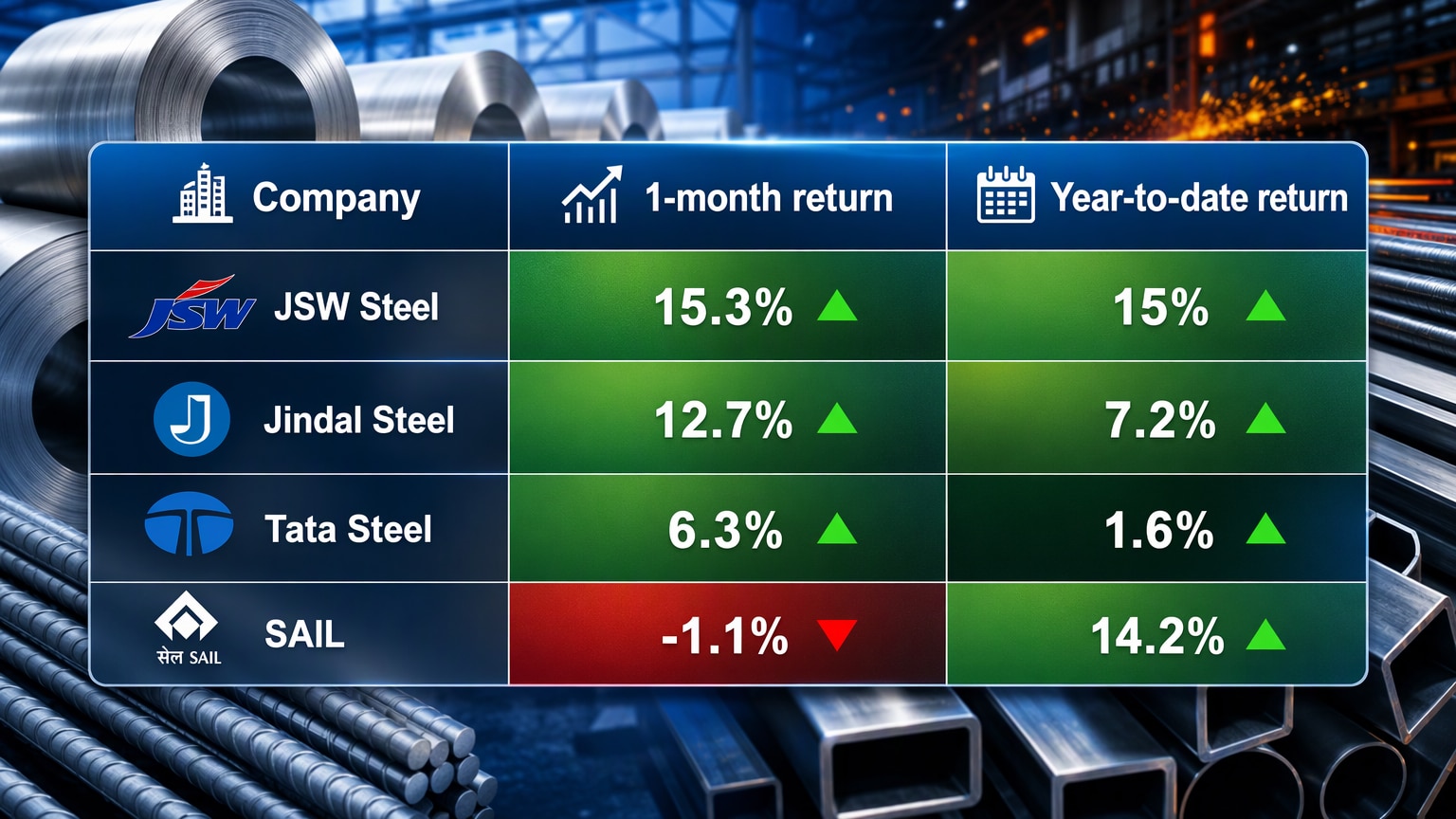
JSW Steel has gained 15 per cent year-to-date, while SAIL has risen 14.2 per cent. Jindal Steel is up 7.2 per cent. Tata Steel, meanwhile, has gained 6.3 per cent in the past month, according to NSE data.
The rally appears counterintuitive. But investors are looking beyond the price of steel. They are betting on something more important: the ability of Indian steelmakers to sell more, earn better and protect their margins even in a difficult market.
Also Read | Layoffs Are Rising In Tech, But These Skills Are Helping People Unlock Better Pay
Steel Stocks: The Returns So Far
Steel Prices Are Weak. But Demand Is Holding Up
According to the Ministry of Steel, India's finished steel consumption rose 7.5 per cent to 99.3 million tonnes during April-October FY27. October consumption alone increased 6.6 per cent year-on-year to 14.3 million tonnes.
The demand is coming from infrastructure, construction, automobiles and manufacturing. These sectors are helping large steel producers maintain sales even as competition and imports weigh on pricing.
But there is a problem. India remained a net importer of finished steel during April-October. Imports climbed 28.9 per cent to 4.9 million tonnes. In October, imports jumped 65.8 per cent year-on-year.
Q2 Results Explain Why Steel Stocks Are Holding Up
The September quarter offered investors evidence that large steelmakers can withstand pricing pressure through higher volumes and better operating performance.
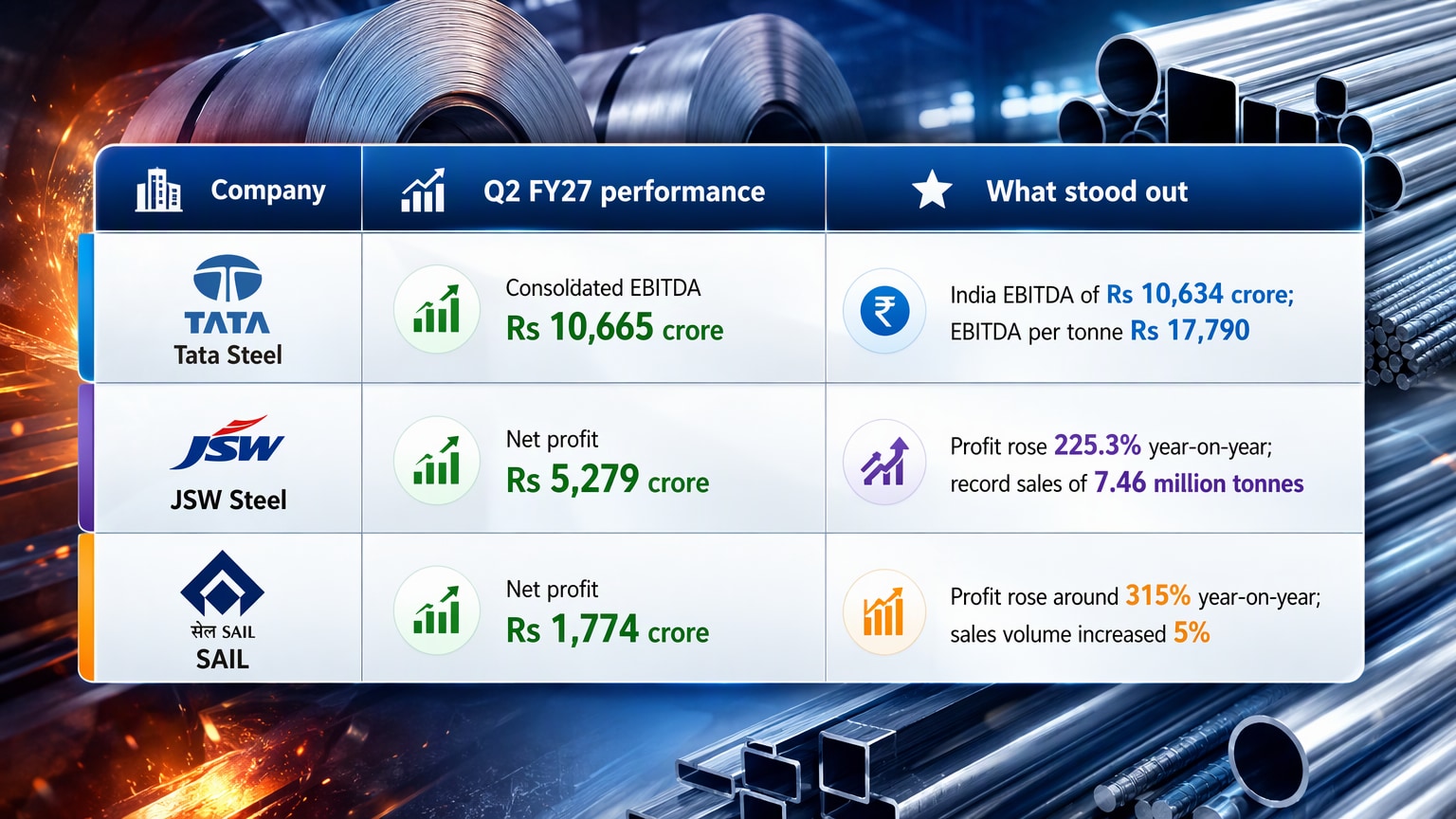
Tata Steel's Indian business delivered strong EBITDA despite the seasonal slowdown associated with monsoon rains. JSW Steel reported record quarterly sales. SAIL also benefited from higher sales volumes and operational improvements.
So, steelmakers are not necessarily making more money because steel prices have surged. They are also selling more steel, improving product mix and controlling costs.
'We Should Not Confuse Steel Prices With Steel Profits'
Abhinandan Jain, Director and Group CEO of PSPL Group, told NDTV that the distinction between prices and profitability is crucial to understanding the rally. "We should not confuse steel prices with steel profits. The volume of exports from China, of approximately 53 million tonnes, has caused steel prices worldwide to decline 13 percent and increased India's steel imports by 41 per cent. However domestic consumption has grown by 7.5 per cent, thus contributing to the sales of major steel producers like Tata Steel and JSW Steel."
He added, "Q2's results have reinforced this steel demand. During Q2, Tata Steel's Indian business had an EBITDA of Rs 17,790 for every tonne of steel, while JSW Steel witnessed a profit growth of 225 per cent in comparison to the corresponding period of the previous year. This clearly indicates that the quarter's growth was volume-led rather than price-led, with stronger domestic demand helping companies sustain profitability despite pricing pressures."
Jain further said, "The key concern for Q3 is expected to be rising input costs, particularly coking coal, which is currently around $285, along with other cost pressures. While the outlook on consumption in India is quite optimistic, although the margin sustainability will be important to watch in the coming quarters. However, any improvements to geopolitics, particularly following the US midterm election results and developments in Israel, could help ease input cost pressures and bring costs closer to normal levels."
Coking Coal Could Spoil The Party
The biggest threat to the rally may come from the cost side. Coking coal is a critical raw material for steel production. India imports the bulk of its requirements, leaving domestic producers exposed to international prices, freight and supply disruptions.
Rising global coking coal prices are squeezing Indian steelmakers' margins. Coal accounts for a substantial share of steelmaking costs, and higher prices can quickly eat into profitability if companies cannot pass them on to customers.
JSW Steel's Q2 results also showed this pressure. Its adjusted EBITDA per tonne declined sequentially even as sales volumes increased. Higher raw material costs and lower realisations partly offset the gains from stronger volumes.
However, the post-monsoon construction season could support demand. Recent steel price increases may also help companies recover some of the cost inflation.
KioskNews shows a cleaned-up reading view extracted from the publisher’s page — the original always lives on their site, not ours.