Green energy surge, rising demand strain North India’s power lines & transformers
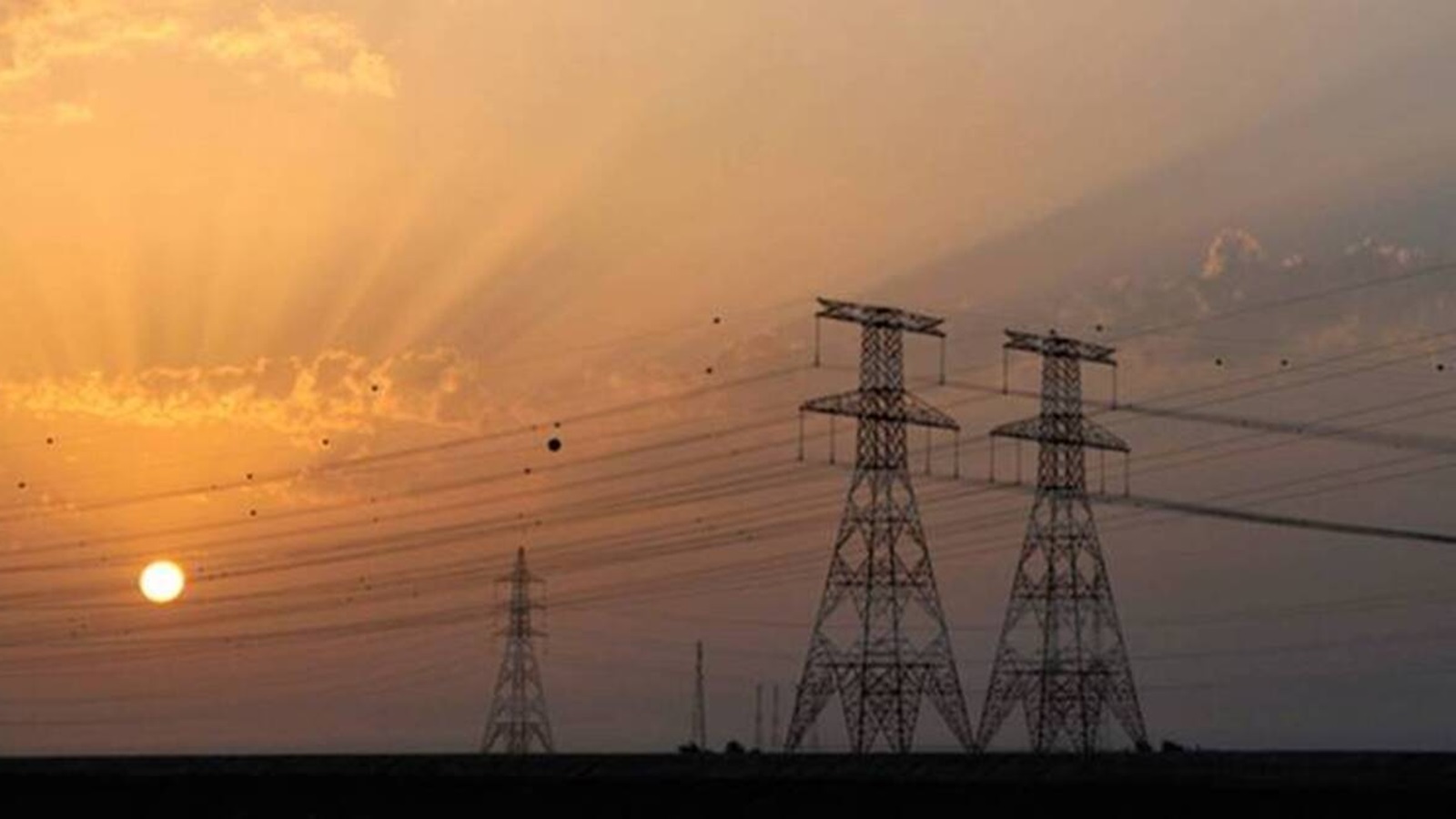
Sustained high power demand and surge in renewable energy flow from Rajasthan have pushed loading at key transformers and transmission lines carrying electricity to northern India beyond safe operating limits, particularly during daytime solar generation hours, the region’s grid operator has warned.
In a communication dated September 30 to the Central Transmission Utility of India Ltd (CTUIL), the National Load Despatch Centre (NLDC) of Grid-India urged CTUIL to expedite implementation of network augmentation measures to overcome the constraints.
NLDC said the region has been experiencing sustained high demand since April, while a rapid increase in renewable energy capacity in Rajasthan had led to higher power transfers towards Northern Region load centres.
“This is resulting in high loading of Interconnecting Transformers (ICTs) and downstream transmission elements at several major substations such as Moga (PG), Bhiwani (PG) and Jhatikara (PG),” it said.
“These constraints are likely to become more pronounced as RE capacity grows and demand in the Northern Region increases,” it added.
Notably, the northern region recorded a maximum demand of 95,027 MW on July 16 and met maximum energy of 2,095 million units (MU) on July 18. This comes as the country is witnessing an unusually high demand this year, with peak power demand touching 270 gigawatts (GW).
Punjab peak adds to strain
At Moga substation in Punjab, the two 765/400 kilovolts (kV) interconnecting transformers (ICTs), each rated 1,500 megavolt-amperes (MVA), a measure of the maximum load a transformer can carry, are being loaded beyond the “N-1” limit during solar hours, the letter said. N-1 criterion is a reliability and security standard that ensures the system keeps working normally even if one single critical component such as a transmission line, transformer, generating unit, or circuit breaker unexpectedly fails or trips.
Story continues below this ad
The 765/400 kV transformers step power down from 765 kV, high voltage used to move bulk electricity over long distances, to 400 kV, lower voltage level used for regional transmission.
“Punjab demand has remained consistently high and touched its all-time peak demand in September 2026. Coupled with high demand in Haryana and Jammu & Kashmir, this has resulted in high loading of the Moga ICTs and associated downstream network,” it said.
It warned that the anticipated increase in demand in Jammu and Kashmir during winter could further raise power transfers through the 400 kV Moga-Kishenpur double-circuit line, aggravating loading on the transformers and the downstream network.
It recommended prioritising additional 765/400 kV transformation capacity at Moga, exploring an upgrade of the Moga-Kishenpur corridor from 400 kV to 765 kV, and planning a new 765 kV substation each in Punjab, and Jammu and Kashmir to strengthen the transmission network.
Story continues below this ad
Overloading despite new Interconnecting Transformers
At Haryana’s Bhiwani substation, the 765/400 kV transformers continued to experience loading beyond permissible limits during solar hours even after the commissioning of a third 1,500 MVA transformer in the Bhiwani-BBMB section, the communication said. The existing arrangement comprises two 1,000 MVA transformers and one 1,500 MVA transformer.
The downstream 400 kV Bhiwani (PG)–Jind double circuit and Bhiwani (PG)–Bhiwani (BBMB) lines are also N-1 non-compliant in those hours, it added.
The communication recommended additional transformation capacity at Bhiwani and augmentation of downstream 400 kV lines through reconductoring or additional parallel transmission corridors. Implementing Dynamic Line Rating on the lines was also suggested as a short-term measure to make use of available dynamic thermal capacity and provide greater operational flexibility during periods of high renewable generation. Dynamic Line Rating is a smart grid technology that works out, in real time, how much electricity a transmission line can safely carry based on current weather conditions.
It further called for expediting the implementation of the 765/400 kV Siwani substation and associated 400 kV transmission lines, including the Siwani-Jind and Siwani-Sonepat double-circuit lines, to improve transfer capacity and compliance with the N-1 criterion.
Story continues below this ad
Similar concerns were also flagged for Jhatikara substation in Delhi where both 765/400 kV transformers, each rated 1,500 MVA, were also found to be loaded beyond the permissible N-1 level during solar hours.
The downstream 400 kV Jhatikara-Mundka lines were also found to be experiencing high loading during the solar hours. For this, NLDC recommended examining the options of upgrading the corridor with higher-capacity conductors or adding parallel transmission circuits to ease the loading constraints.
To address overloading of 400 kV lines in the Jhatikara-Bamnauli-Dwarka section, it recommended expediting the commissioning of the 400 kV Jhatikara-Dwarka double-circuit line.
KioskNews shows a cleaned-up reading view extracted from the publisher’s page — the original always lives on their site, not ours.