‘I quit drinking for 17 days, but my liver still hurts. Why?’
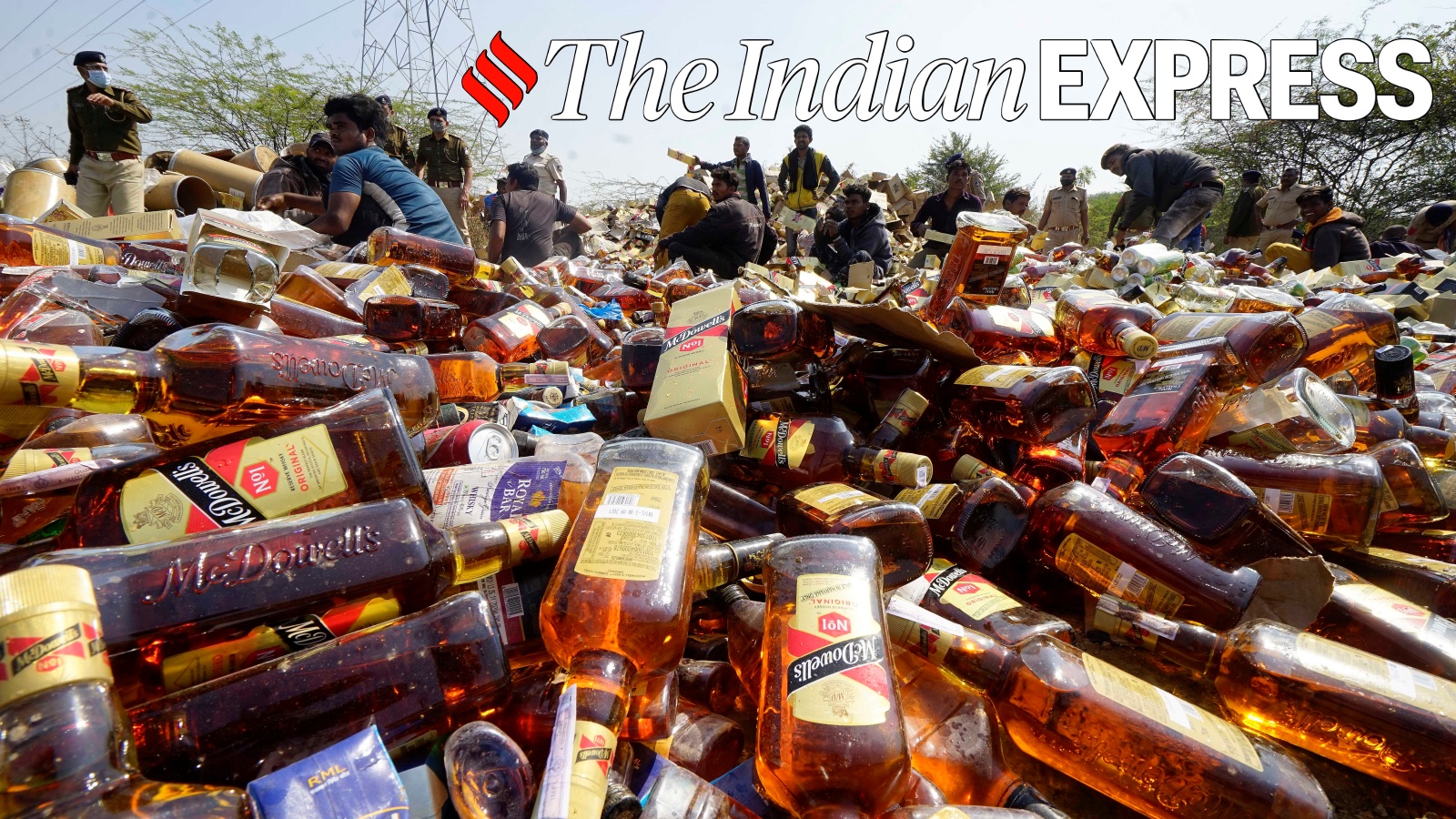
Quitting alcohol can feel like a major reset for the body. But what if you’ve been alcohol-free for 17 days and still feel pain or heaviness in the area where your liver is located?
That is the concern behind one such Quora query, with an internet user wondering whether persistent pain after nearly three weeks without alcohol means the liver is still damaged — or whether it could be part of the healing process.
As the query reads, “I quit drinking for 17 days, but my liver still hurts. Why?”
As it turns out, the answer is not that simple. Pain in the upper-right abdomen does not necessarily mean the liver itself is hurting, nor can pain alone tell you whether the liver is recovering. Here’s what you need to know.
DISCLAIMER: This article is based on information from the public domain and/or the experts we spoke to. Always consult your health practitioner before starting any routine.
Can the liver actually cause pain?
According to Dr Ameet Mandot, Director – Hepatology, Gleneagles Hospital Parel, the liver itself has few pain-sensing nerves. So, what people describe as “liver pain” may actually come from the tissues around the liver or nearby organs such as the gallbladder, stomach and intestines. Muscle strain can also cause similar discomfort.
“Alcohol-related inflammation or an enlarged liver can sometimes cause discomfort in the upper right side of the abdomen. Other conditions such as acidity, gastritis, gallstones or muscle strain can cause similar symptoms.”
Story continues below this ad
At the same time, liver-related conditions can cause pain or heaviness, especially when the liver enlarges and stretches its outer covering. This can happen with inflammation, fatty liver, alcohol-related liver disease or other liver problems.
But pain alone cannot tell you what is happening inside the liver.
“Pain alone cannot tell us whether the liver is healing or worsening, so persistent symptoms should not be self-diagnosed.”
So, if discomfort continues after quitting alcohol, it should not automatically be interpreted as ongoing liver damage or as a sign that the liver is “detoxing”.
Story continues below this ad
 Pain or heaviness in the upper right abdomen can occur with inflammation, fatty liver, alcohol-related liver disease or other liver problems (Image: Pexels)
Does the liver start healing after quitting alcohol?
The body begins responding to alcohol cessation relatively quickly. In people with alcohol-related fatty liver, liver fat and inflammation can start improving after stopping alcohol.
However, the speed and extent of recovery depend on “how much and how long the person was drinking and whether there is already fibrosis or cirrhosis.”
This means 17 days without alcohol, while a positive start, is not a fixed recovery milestone. As Dr Mandot explains, while mild fatty liver may improve considerably with sustained abstinence, established fibrosis or cirrhosis may take much longer and may not be completely reversible.
“Some scarring may improve, but advanced cirrhosis can be permanent.”
Story continues below this ad
Can fatty liver or inflammation continue after quitting?
“Yes. Liver inflammation and fatty liver can persist for some time after alcohol is stopped, particularly if the person has significant previous damage,” Dr Mandot tells indianexpress.com.
He further adds that it is also important to remember that fatty liver is not caused only by alcohol.
“Obesity, diabetes, high cholesterol and metabolic problems can also contribute to fatty liver.”
This is why he recommends “continued monitoring and lifestyle changes.”
Story continues below this ad
 Screenshot of the query posted on QuoraWhen should persistent pain be checked?
If abdominal pain continues, keeps returning or becomes worse, it should be evaluated rather than assumed to be withdrawal or “liver healing”.
Severe pain, yellowing of the eyes or skin, repeated vomiting, abdominal swelling, fever, confusion, vomiting blood or black stools require urgent medical attention.
” Even without these warning signs, someone with a history of heavy alcohol use should discuss persistent symptoms with a doctor,” the liver specialist advises.
How can doctors tell if the liver is recovering?
Symptoms alone cannot establish whether the liver is healing or has sustained alcohol-related damage.
Story continues below this ad
Doctors generally start with “liver blood tests, including ALT, AST, bilirubin, alkaline phosphatase and albumin.
Depending on the person’s history and examination, an ultrasound may assess the liver for fatty changes or enlargement.
A FibroScan or elastography can help assess liver stiffness and estimate the degree of fibrosis. “In selected cases, additional blood tests, imaging or, rarely, a liver biopsy may be required.”
“Not drinking for 17 days is an excellent start, but pain should not automatically be interpreted as either liver damage or liver healing. The liver’s recovery depends on the extent of previous damage, and persistent symptoms deserve proper medical evaluation,” Dr Mandot concludes.
Story continues below this ad
DISCLAIMER: This article is based on information from the public domain and/or the experts we spoke to. Always consult your health practitioner before starting any routine.
KioskNews shows a cleaned-up reading view extracted from the publisher’s page — the original always lives on their site, not ours.