Shikhar Dhawan and wife Sophie open up about intercultural marriage: ‘Wanted to be blessed by a priest from my religion’
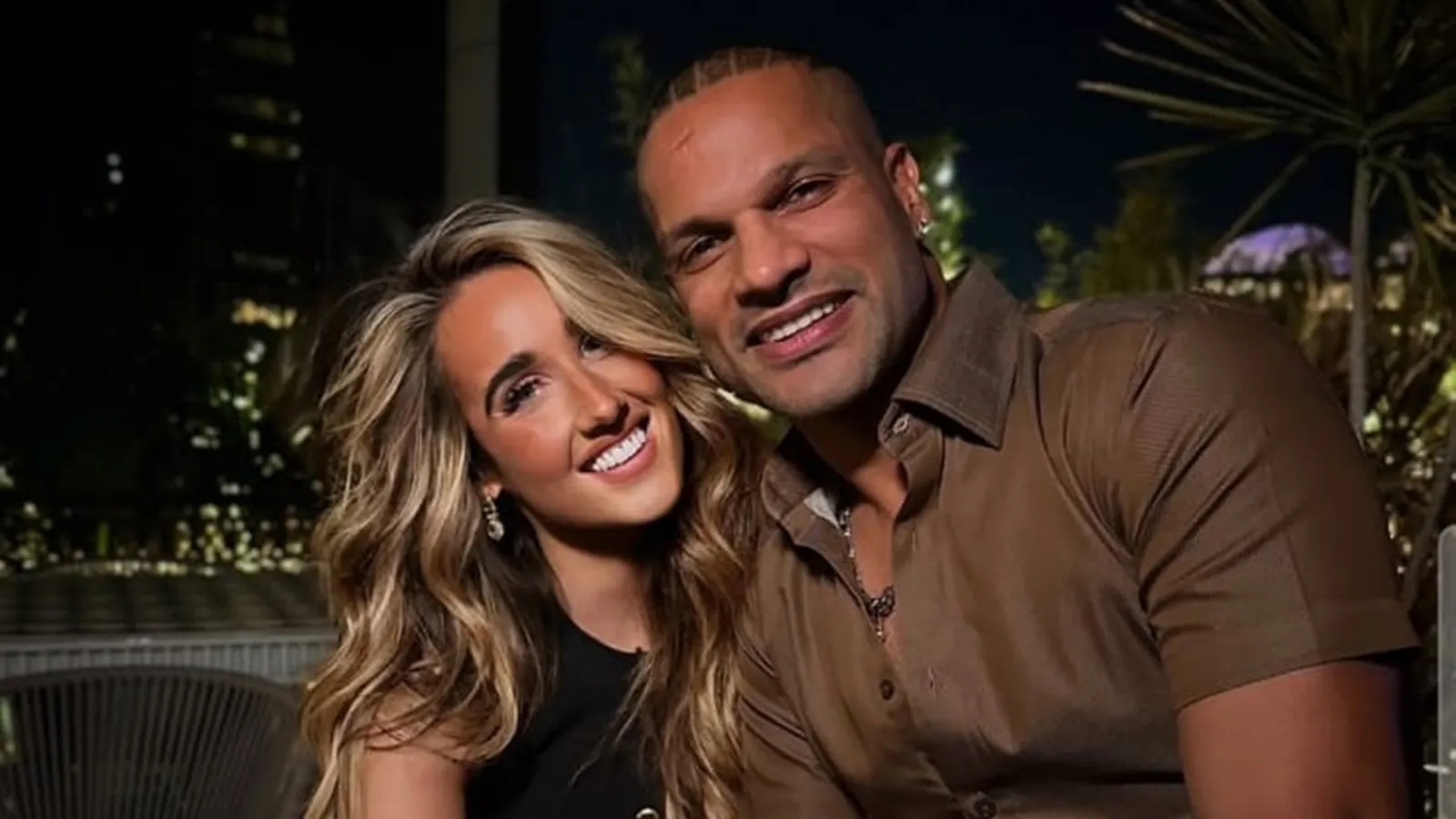
Former Indian cricketer Shikhar Dhawan and his Irish wife Sophie Dhawan recently opened up about their intercultural wedding and how compatibility has worked for them. “Honestly, I don’t think so (that it mattered that we belonged to different cultures). I feel like we were very open. As soon as we spoke about the wedding, I was like, I want a big Indian wedding. But as we got closer, I said, I do want an Indian wedding, but a little more intimate. I just wanted to be blessed by a priest from my religion, and then I was more than happy to accept their culture as well. So, it was beautiful,” Sophie, 33, told Curly Tales in an interview.
DISCLAIMER: This article is based on information from the public domain and/or the experts we spoke to.
Shikhar added, “For me, compatibility was important. It is basically important to match each other’s values. It’s not fun when you start changing a person. So, when that was clear, we knew…”
Sophie also mentioned how living together helped their relationship. “It was important for us to live together and see how we got on in the home. He is very charming, for sure,” she expressed.
 Here’s what you should consider (Photo: Freepik)
Delnna Rrajesh, psychotherapist, relationship breakthrough coach, founder of Kintsugi Radiance Academy, said different traditions rarely destroy a relationship. “The more serious damage begins when one partner feels that their identity, beliefs and needs must always come second. Cultural traditions are often emotionally connected to childhood memories, family relationships and personal identity. Dismissing them can therefore feel like dismissing a part of the person. Partners do not need to share every belief, but they need to understand why certain beliefs matter to each other. Respect does not require agreement; it requires consideration,” described Delnna.
The difference between compromise and self-erasure
Adjustment is necessary in every marriage. But what concerns me is when adjustment becomes an unspoken responsibility assigned primarily to one person. “One partner moves cities, learns a new language, embraces unfamiliar customs and accommodates the other’s family expectations. The other continues living almost exactly as before. Initially, this may appear manageable. But years later, the adjusting partner may begin feeling lonely, resentful or disconnected from their own identity. The pain isn’t always that they had to change. It is that nobody noticed how much they changed, or asked what it cost them,” elucidated Delnna.
Two people may share the same religion, language and upbringing yet disagree fundamentally about financial responsibility, parenting, personal freedom or family boundaries. Conversely, partners from completely different cultures may build a deeply fulfilling marriage because they share honesty, loyalty, compassion, mutual respect and the willingness to take responsibility. “The real test of compatibility emerges when expectations clash. Can you disagree without disrespecting each other? Can you make space for your partner’s beliefs without feeling that yours are threatened? Can you discuss uncomfortable subjects without turning every difference into a question of loyalty? Compatibility is not the absence of differences. It is the ability to handle those differences without making each other feel wrong for being who they are,” expressed Delnna.
Story continues below this ad
A marriage must have room for two families, not just two individuals
Intercultural marriages also involve families’ emotional expectations. Parents may worry about unfamiliar traditions, religious differences or how future children will be raised. “These concerns need not come from prejudice or a desire to control. Sometimes, they arise from genuine uncertainty or fear of losing familiar family connections. But accepting a new family member should never mean expecting them to abandon their own roots. I encourage couples to talk about religious practices, festivals, children, family involvement, and boundaries before these become sources of conflict. Equally important is presenting a united front when family expectations begin creating pressure,” shared Delnna.
A healthy marriage can honour parents and traditions while protecting the couple’s right to build their own family identity.
DISCLAIMER: This article is based on information from the public domain and/or the experts we spoke to.
KioskNews shows a cleaned-up reading view extracted from the publisher’s page — the original always lives on their site, not ours.