An expert explains why fixing India’s air pollution crisis needs more than technical solutions
Air pollution is often discussed as if it were primarily a problem of Delhi NCR and winters, but much of India experiences unhealthy air throughout the year, both outdoors and indoors.
North India faces particularly severe outdoor pollution episodes because of numerous emission sources and unfavourable winter meteorology. And every winter, experts are called upon to decode these phenomena — atmospheric scientists explain the meteorology, engineers discuss pollution control, and doctors warn about health impacts.
After over a decade of the problem visibly worsening, it is worth examining how this knowledge has helped understand the situation, the limitations of the current approach, and the kind of information and scientific research that are still required.
The problems and solutions are not particularly mysterious
The sources of air pollution are known by now — fireworks and agricultural residue burning contribute during specific periods, while solid fuels such as firewood, dung cakes, and even waste are burnt for heating in colder months. Transport, polluting household fuels, waste burning, industry, power plants, and construction contribute year-round. Weather affects how emissions disperse and accumulate; it does not create them.
The major sources of pollution are well established, and we do not need to quantify every source precisely or measure every exposure before acting.
Fundamentally, reducing air pollution requires two clear actions: reducing the number of emitting sources and reducing emissions from those that remain. This means reliable public transport and less dependence on private vehicles, access to clean cooking and heating, viable alternatives to crop residue burning, functioning municipal waste management, and effective industrial regulation.
Stubble burning and firecrackers receive considerable attention during particular periods, but even addressing these requires looking beyond the immediate pollution episode and avoiding purely technological fixes.
Story continues below this ad
Agricultural residue burning cannot be addressed without understanding farming practices, farmers’ economic constraints, and the availability of alternatives. Similarly, reducing pollution from firecrackers requires not only restrictions and enforcement, but also changing social attitudes, with schools, communities, and religious and spiritual leaders playing a role.
Neither problem can be solved by atmospheric scientists or enforcement agencies alone.
The relevance of scientific research
Uncertainties about source contributions, emission inventories, and atmospheric chemistry will always remain, to an extent, and sustained investment in science and monitoring remains essential. Our understanding of air pollution is indeed shaped by what we measure. Monitoring networks, emission inventories, and source apportionment studies help identify pollution sources for targeted policies.
It must also be noted that what we measure in the ambient atmosphere is not necessarily what people breathe. For instance, a rooftop monitor or a model forecast does not tell us the particulate matter levels inside a home while someone cooks with solid fuels. For those households relying on solid fuel for cooking and heating, household air pollution remains a major part of daily exposure. It additionally contributes to outdoor air pollution.
Story continues below this ad
But research should help refine interventions, not become a prerequisite for starting them. We do not need to know the precise contribution of every source before acting on those already identified.
We need greater attention to studying personal exposure, particularly among the most vulnerable sections of society, but these gaps should not obscure what we already know. The solutions we need are often not those for which we lack expertise; they are those that lack institutional attention, political commitment, and sustained investment.
The question of expertise
This brings us to a more fundamental question: who exactly is an air pollution expert? The obvious answers are atmospheric scientists studying aerosols and meteorology, engineers developing pollution controls, doctors treating respiratory disease, and epidemiologists studying long-term health impacts.
Recognition of expertise is also shaped by institutional affiliation. Scholars from IITs and AIIMS may command immediate recognition, while equally valuable knowledge from less prominent institutions and practitioners working on the ground often receives less attention.
Story continues below this ad
What about the agricultural economists studying farmers’ incentives, urban planners shaping transport systems, social scientists examining household energy choices and public behaviour, municipal officials responsible for waste management, and public health experts translating scientific evidence into preventive interventions?
Expertise is often recognised most readily when it comes with a technological solution. A new device is visible and presented as innovation, often as a silver bullet for a complex problem. More long-term, institutional and procedural changes, such as improving public transport, managing waste, or ensuring access to clean household energy, are less spectacular. They require sustained funding, institutional capacity, coordination, and often confronting vested interests.
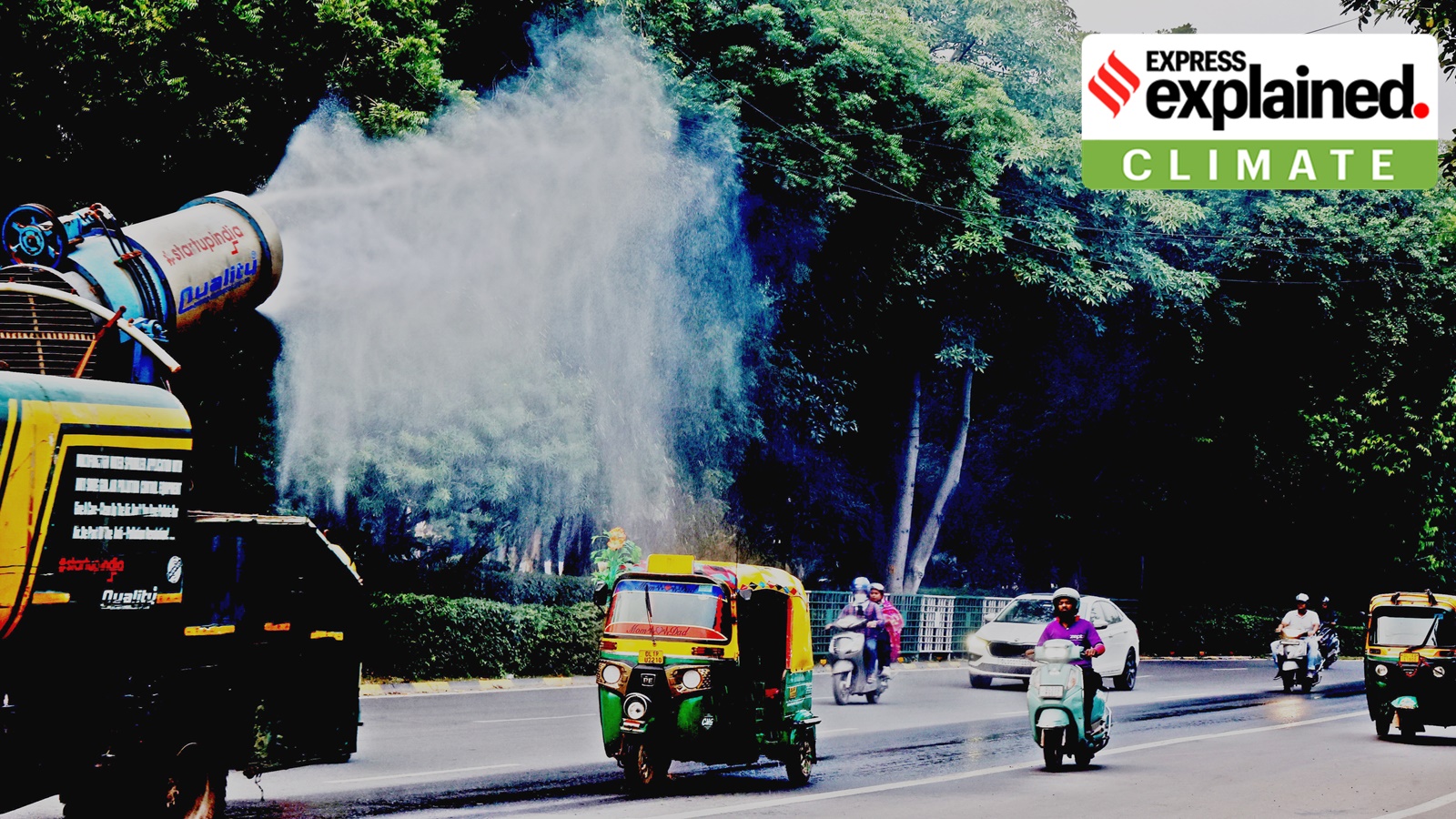
Technological spectacle also raises the question of who scrutinises the claims made by those offering solutions. Every winter, proposals for smog towers, artificial rain, and other interventions are presented with considerable fanfare, despite questions about their effectiveness and scale. Such projects can consume substantial public resources, create lucrative opportunities for entrepreneurs, and offer governments the optics of action without meaningfully reducing emissions.
We need independent scientific scrutiny, as well as journalists, regulators, and civil society willing to question how public money is spent. Expertise must go beyond simply proposing solutions, and involve interrogating them as well.
Story continues below this ad
We should also consider those living and working with the highest pollution exposure: street vendors, construction workers, sanitation workers, farmers, communities alongside industrial facilities, and women who spend hours cooking with polluting fuels. Exposure is often shaped by the work people do and the choices available to them. For someone dependent on daily wages, earning a livelihood may take precedence over concerns about pollution.
Similarly, household cooking is often borne disproportionately by women, whose exposure is rarely reflected in ambient air quality measurements. Effective interventions must therefore consider safer working conditions, viable livelihood alternatives, access to clean household energy, and better economic opportunities.
As an atmospheric scientist, I would argue that we need more science, not less. Understanding the atmosphere, however, is not the same as understanding everything that makes it polluted. We must continue filling knowledge gaps without delaying action on what we already know. The priority must be to translate that knowledge into cleaner transport, energy, waste management, and effective regulation. The real test of expertise is not how spectacular a solution sounds, or how prestigious the institution linked to the expert proposing it is, but whether it helps make the air cleaner for everyone.
Shahzad Gani is an Assistant Professor at the Centre for Atmospheric Sciences, IIT Delhi.
KioskNews shows a cleaned-up reading view extracted from the publisher’s page — the original always lives on their site, not ours.