Taiwan's largest e-scooter maker sets up battery-swap stations in Vietnam
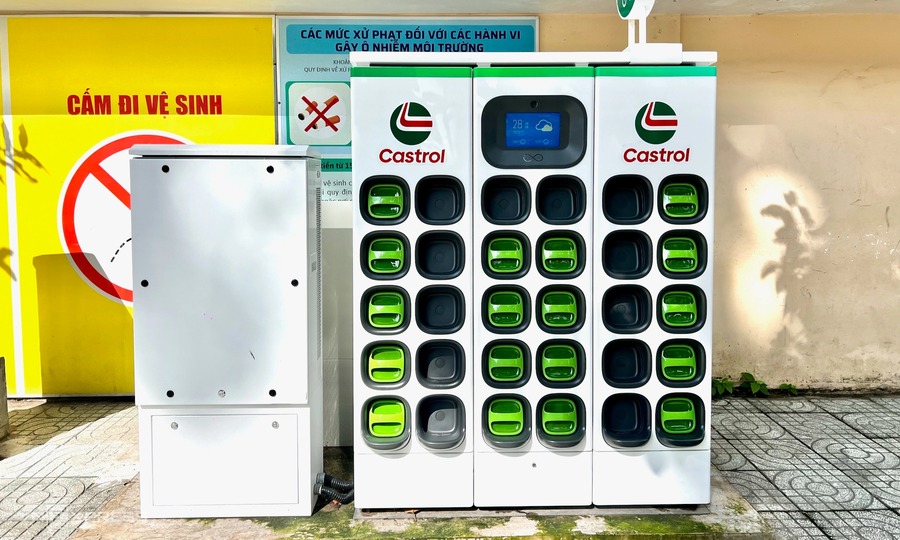
At least three Gogoro battery-swap stations have been installed in Ho Chi Minh City over the past week as the Taiwanese company prepares to sell electric scooters in Vietnam.
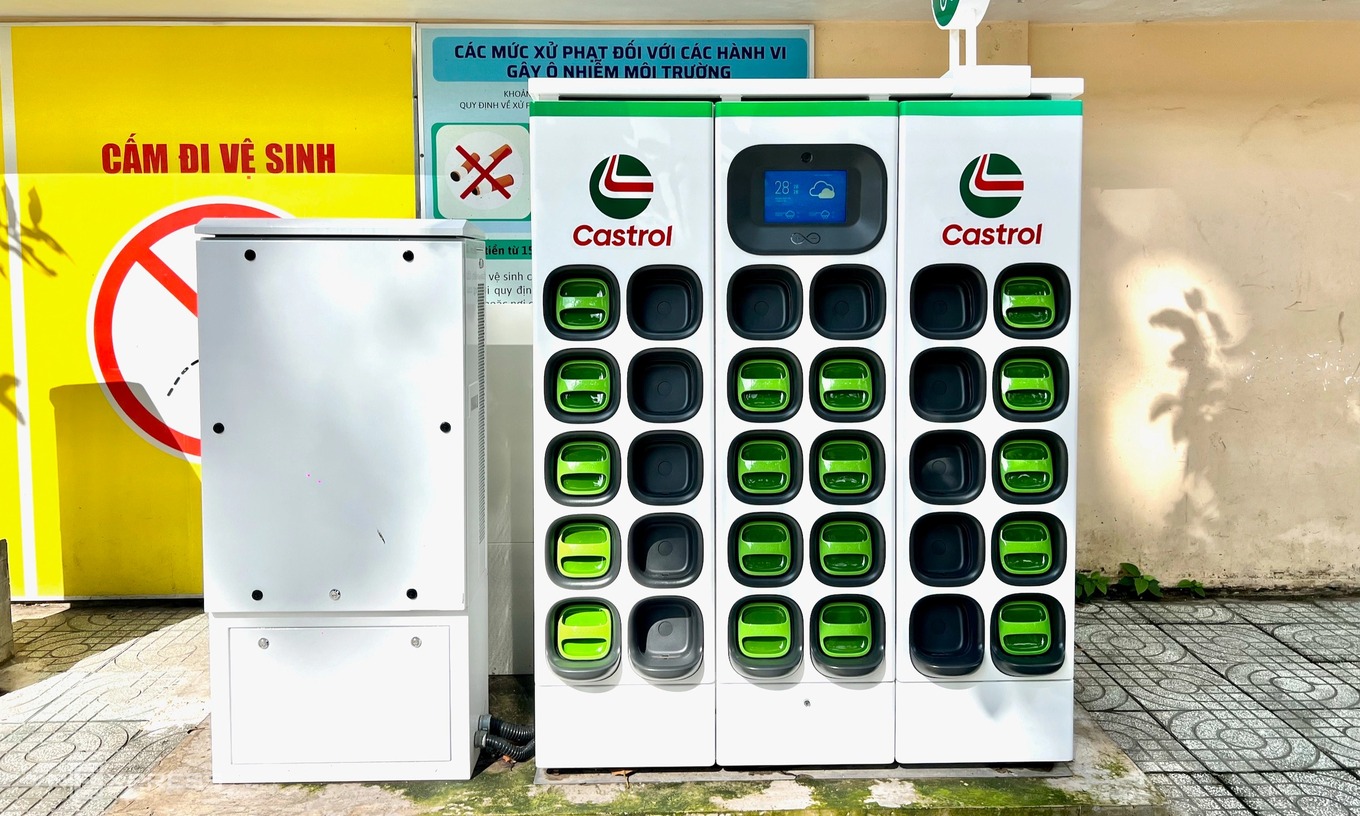
The outdoor cabinets carry both Castrol and Gogoro branding, and their central screens are already switched on. Each station has 30 battery slots, some holding batteries and others empty.
Founded in 2011, Gogoro built its business on swapping batteries instead of plugging scooters in. It launched its first model in 2015 and has since rolled out its GoStation swap network in Taiwan and several other Asian markets.
In 2025, Gogoro sold 28,176 electric scooters in Taiwan, or 57.2% of the 49,228 sold there, more than any other brand.
Including partner brands on its Powered by Gogoro Network (PBGN) platform, which lets other manufacturers build scooters that run on Gogoro's batteries and swap stations, the ecosystem accounted for 33,228 units, or about 68%. Counting gasoline models, Gogoro held about 4% of Taiwan's overall two-wheeler market.
Groundwork in Vietnam
Gogoro announced a joint venture with British lubricant brand Castrol in February 2025, with Gogoro supplying the technology and helping build the network while Castrol runs sales and operations.
The venture, Castrol Gogoro Mobility JSC, was registered in HCMC in August 2025. Castrol Singapore holds 50% and Gogoro Network 49.8%.
Gogoro has said it will introduce a scooter tailored to the Vietnamese market in the fourth quarter of this year.
Its SuperSport model has also completed energy-consumption registration in Vietnam, with Son Ha Energy Development JSC listed as the importer.
The SuperSport runs on a 7.6 kW motor and tops out at 96 kph, with versions offering ABS, traction control and LTE connectivity. In Taiwan, it sells for $3,190-3,540.
 |
|
A Gogoro GoStation battery-swap cabinet in Dien Hong Ward, Ho Chi Minh City. Photo by Ho Tan |
Swap networks multiply
Ho Chi Minh City wants 20,000 battery-swap cabinets installed by the end of this year, and its Department of Construction has named Castrol Gogoro Mobility among the companies it urged to speed up installation.
The largest network belongs to VinFast, whose affiliate V-Green operates about 45,000 cabinets nationwide, up from the first 4,500 completed in January. V-Green is working toward a target, set last year, of 150,000 swap points within three years.
Selex Motors runs about 120 swap stations and says its network is built to be shared with other brands. Honda Vietnam began operating e:Swap stations for its CUV e: model at dealerships in Hanoi in June, with plans to expand to other cities, including HCMC.
Gogoro itself operates more than 2,700 GoStation sites serving nearly 700,000 riders and has handled over 900 million swaps, according to figures it released in August. It is also retiring its first-generation batteries, in service since 2015.
In Taiwan, Gogoro riders subscribe to battery service rather than buying the batteries outright.
One plan costs NT$488 ($15) a month for single-battery scooters and NT$888 ($28) for dual-battery models, with unlimited free swaps during 14 designated off-peak hours each day. Swaps outside those windows are billed by the electricity used.
KioskNews shows a cleaned-up reading view extracted from the publisher’s page — the original always lives on their site, not ours.