Oxford museum returns 39 ancestral skulls to Indian tribal community
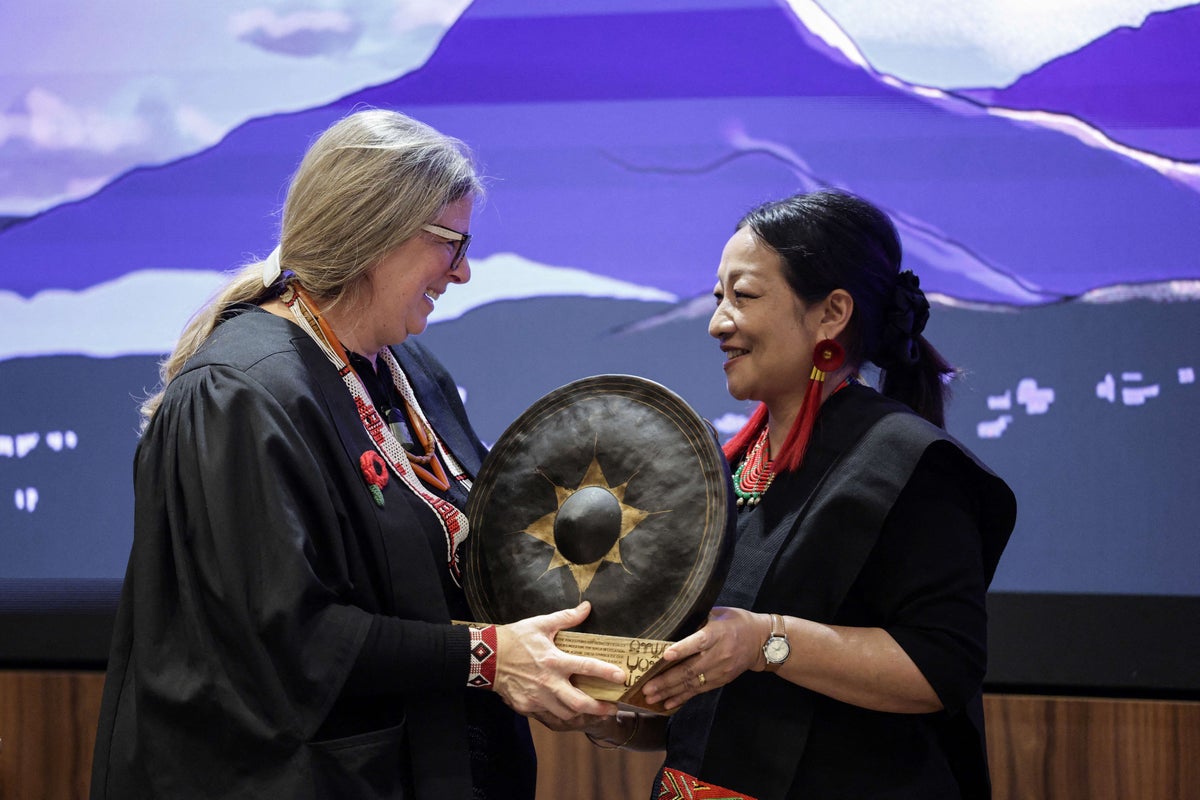
Oxford University has returned the remains of 39 people from India’s Naga community taken during the British colonial rule.
The university’s Pitt Rivers Museum on Monday formally handed over the remains to a delegation of around 30 people from India's mountainous state of Nagaland that borders Myanmar.
Museum director Laura Van Broekhoven hailed the handover as a "historic moment that would be part of stories told to the next generation".
She said the remains were finally on their way home after overcoming "so much red tape everywhere".
The Pitt Rivers, founded in the 19th century, contains more than 6,000 objects representing the Naga culture, mostly skulls, believed to be the largest collection in the world.
In 2020, the museum removed all human remains, including a collection of shrunken heads, from display in a “decolonisation process".
The first Naga remains were given to the museum by John Henry Hutton, a colonial administrator, according to the museum's website. The rest of the remains were added between 1910 and 1940.
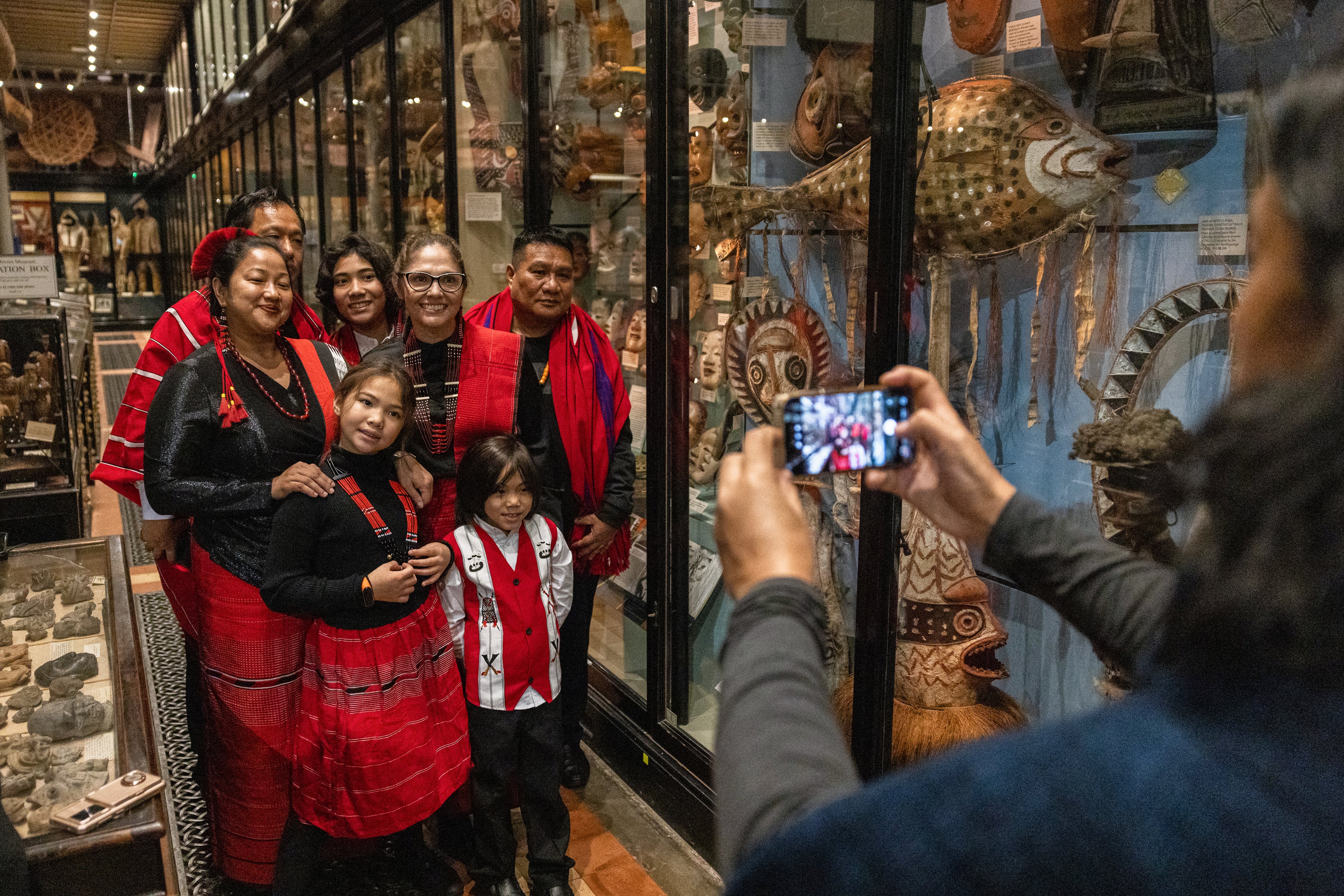
The website stated that "remains and objects were frequently confiscated during punitive military expeditions, rather than freely given".
The museum lists 219 items as human remains, including 39 ancestral remains or skulls and 178 objects that may contain human hair.
"The manner in which these human remains were taken away from our land leaves much for us to speculate," Thejao Vihienuo, a Naga tribal leader, said.
"I suspect that nobody would have given the skull of his father or his grandfather as a gift to another person," he told the AFP news agency. "We shall put them to respectful rest."
The trial leaders reportedly planned to bury the remains under a joint memorial in a park back home.
In 2024, Naga human remains were withdrawn from sale at the Swan Fine Art auction house in Tetsworth following backlash from the tribal community.
The Oxford museum said it had already handed back human remains to Indigenous communities in Australia, New Zealand, and the US.
KioskNews shows a cleaned-up reading view extracted from the publisher’s page — the original always lives on their site, not ours.