The Jerusalem PostJerusalem Orchestra East & West youth division to perform at UNוואלה164 קמ"ש במקום 60: נהגת חדשה בת 18 נתפסה במהירות קיצונית בלב חיפהRTP DesportoPresidente do V. Guimarães agastado com início de época "frustrante"Daily MaverickStudent opens fire outside school in Turkey, eight pupils wounded, NTV reportsThe South AfricanBombshell: Springboks may play Malcolm Marx in new positionStraits Times SportLa Liga president hits out at Real Madrid refereeing ‘conspiracy’ claimsХабрИИ режет не рутину, а расходы. Поэтому подушка теперь базовый минимумOnetPolski "Niedźwiedź" pokazał się światu. Żołnierze powinni być zachwyceniIl Fatto QuotidianoMorto Grigory Ponomarev: l’addio improvviso a 31 anni di “Grizzly”, ex lottatore MMA. L’ipotesi di un legame con l’infortunio del 2023CNN بالعربيةأستراليا تؤكد تحويل أجزاء من مقاتلات F-35 الأمريكية إلى هونغ كونغ بالخطأSportstarLIVE India vs Sri Lanka, Asian Games 2026 hockey: IND 10 - 0 SL, Abhishek, Jugraj score two eachVilaWebLa UE tanca la discussió sobre l’oficialitat del català en set minuts i sense adoptar cap decisió
The Daily Newsstand · Free, Always
Tuesday, September 22, 2026

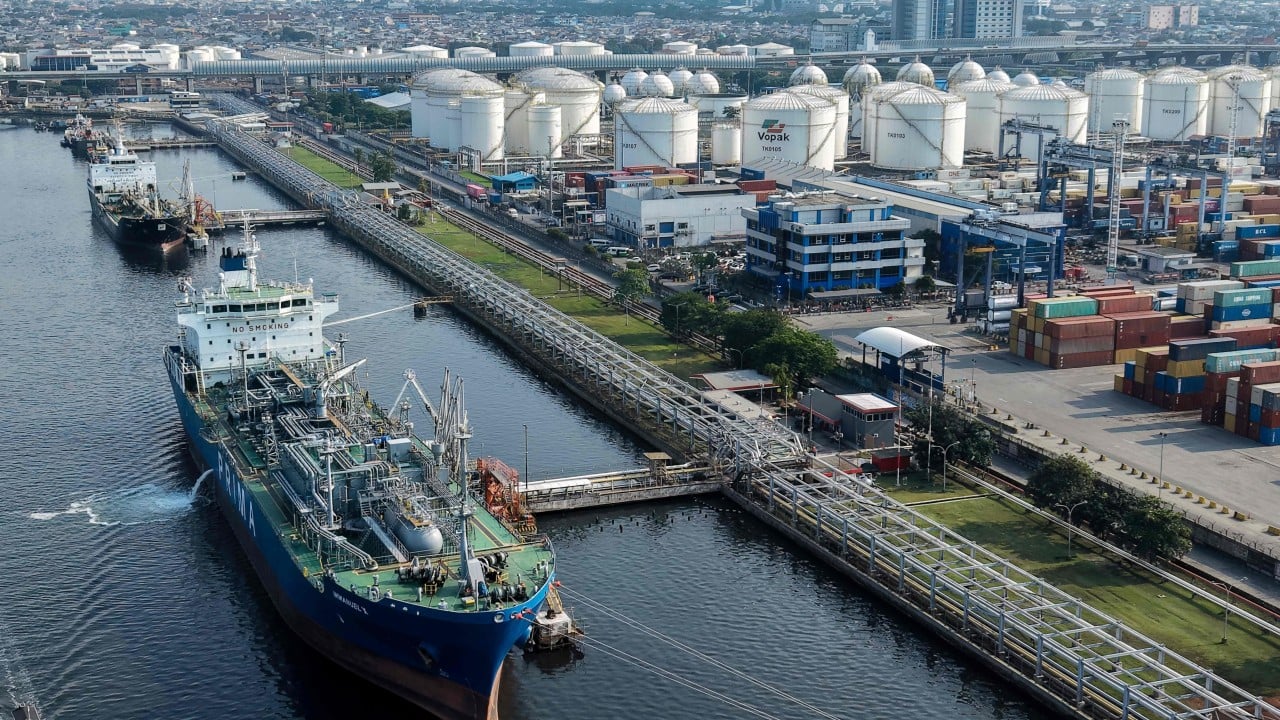
Indonesia presses ahead with Russian oil imports despite ‘real risk’ of US penalties
Translate

Indonesia plans to press ahead with discounted Russian crude oil imports to secure domestic energy supplies and manage fiscal pressures, despite the risk of higher US tariffs as Washington moves to tighten economic pressure on Moscow.

On Friday, US President Donald Trump signed into law an act that would give him authority to impose sanctions on Russia and slap tariffs of up to 100 per cent on the top five buyers of Russian crude oil, gas and military equipment, or countries that help Moscow evade sanctions.

The legislation, named the Lindsey O. Graham Sanctioning Russia and Iran Act of 2026, also targets Russia’s shadow fleet of oil tankers.

The term refers to a network of ageing or obscurely owned vessels that Russia uses to transport oil while seeking to evade Western sanctions and the Group of Seven’s price cap on Russian crude. The ships often operate under complex ownership structures and flags of convenience, making them harder to trace and regulate.

View the original on South China Morning Post

KioskNews shows a cleaned-up reading view extracted from the publisher’s page — the original always lives on their site, not ours.