The Boy and the Suit of Lights review – a sensitive portrait of an aspiring toreador in a changing Spain
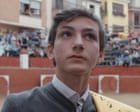
Where last year’s bullfighting documentary Afternoons of Solitude by Albert Serra was a tightly trussed formalistic affair concerned by the question of style in the arena and in art, this Scottish-produced film is a looser, more social-realist approach to la corrida. Swerving a portrayal of the butchery itself, it focuses on the wider community significance of this tradition in the eastern Spanish city of Castellón, via the figure of aspiring teen toreador Borja.
Supported by his harried, cigarillo-smoking single mother, Raquel, Borja hopes that wearing the sequined “suit of lights” will help lift his family out of poverty. Everything in his vicinity seems to point in the direction of the bullring: the Playmobil corrida he stages with his little brother, Erik, the mechanical rodeo bulls they ride at the fairground, the lessons in handling the muleta – the red cloth – he gets from grandfather, Matias, whose own bullfighting ambitions were scotched at an early age. But, as the protesters piling into the arena one day highlight, the bell may already be tolling for the kid’s chosen profession.
The wistful Borja, even at his tender age, has a certain melancholic-heroic bearing and a trenchant set of Sergio Leone eyebrows. Director Inma de Reyes’s patient documentary places notable emphasis on the simple act of observation, as if everyone in Castellón is envisaging and rehearsing the noble stance they believe life should conform to. Matias scrutinises Borja’s form, Raquel watches her son from the stands, Borja watching the older toreadors perform. This traditionalist theatre is buttressed by other rituals from daily life: the close-knit family culture in which Erik washes his exasperated grandmother’s hair and the boy’s first communion.
As De Reyes tips a hat to this conservative Spanish culture, sitting in with street kids as they plead with an elder to strum some flamenco, she seems to have a noncommittal ambivalence about it too. Bullfighting itself is not judged; rather, she focuses on the growing controversy swirling around it, including the incensed protesters and fired-up apprentices fretting about whether anti-corrida parties will win the elections.
This last-days framing does, however, cast a certain fatalistic shadow, on top of Borja’s only semi-explained decision to give up his toreador dreams. If the film doesn’t spend the necessary time with bullfighting’s opponents to fully understand where ending the tradition would lead, it’s nonetheless a sensitive, family-level portrait of a changing Spain.
KioskNews shows a cleaned-up reading view extracted from the publisher’s page — the original always lives on their site, not ours.