CPR or pulse check: What to do when someone is unconscious
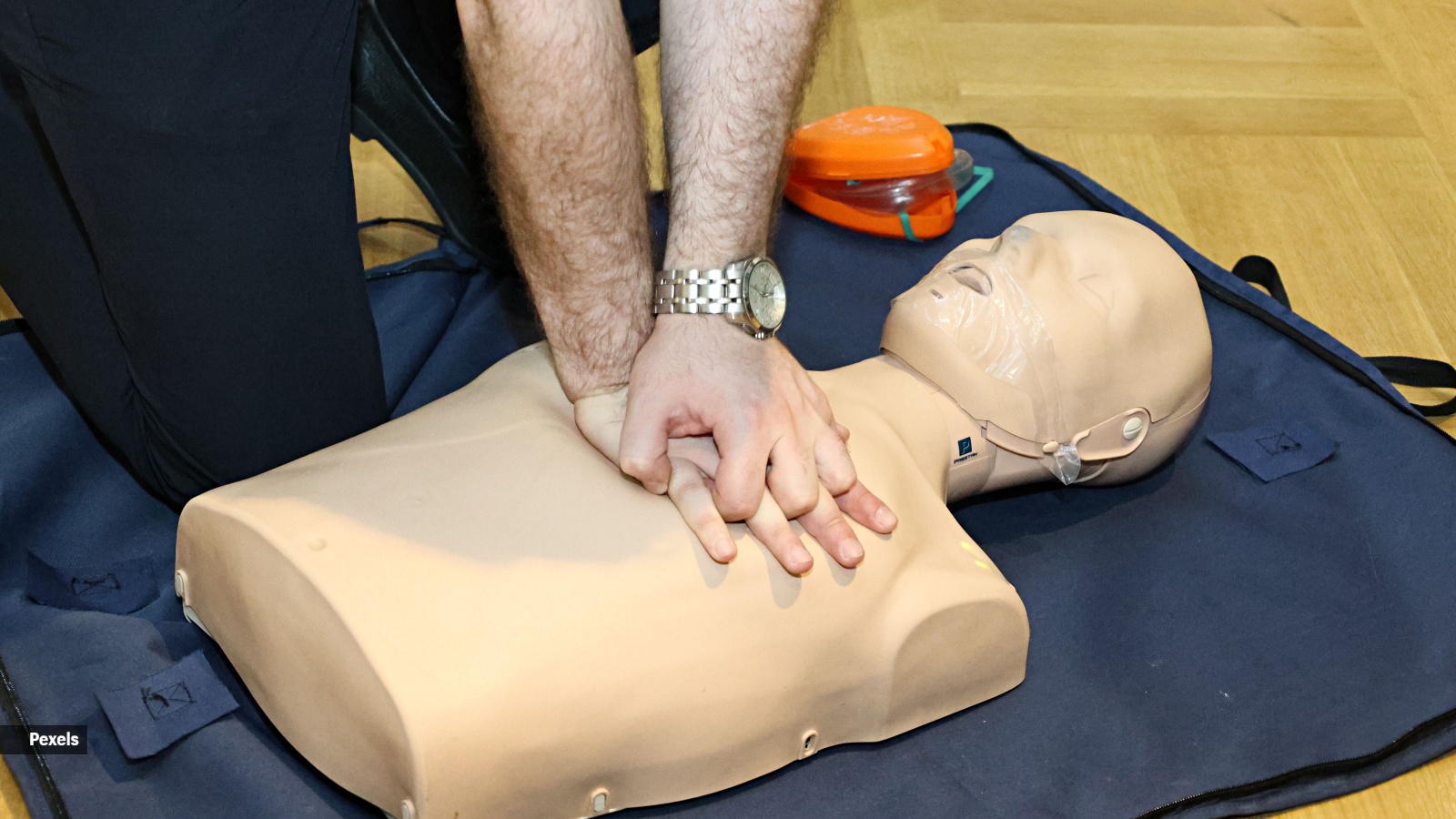
If you find someone unconscious, your first instinct may be to check their pulse before doing anything else. But if you are not medically trained, should you spend time trying to find a pulse before starting CPR?
We reached out to Dr Swarup Swaraj Pal, Senior Consultant, Cardiovascular and Thoracic Surgeon, Gleneagles Hospitals Parel, to understand what a bystander should actually do when they find someone unconscious and when CPR should begin.
DISCLAIMER: This article is based on information from the public domain and/or the experts we spoke to. Always consult your health practitioner before starting any routine.
” For an untrained bystander, trying to find a pulse can be difficult and may waste valuable time,” Dr Pal tells indianexpress.com. The priority should be to quickly assess responsiveness and normal breathing, rather than trying to find a pulse.
Here’s what you should be doing
1. Make sure the surroundings are safe.
2. Check if the person responds.
“Gently tap the person and speak loudly to see if they respond,” Dr Pal advises.
3. Check whether they are breathing normally.
If there is no response, check whether the person is breathing normally. Not every breath is normal.
“Gasping, occasional abnormal breaths or noisy irregular breathing should not be considered normal breathing,” Dr Pal clarifies.
Story continues below this ad
4. If they are unresponsive and not breathing normally, treat it as a cardiac emergency.
Do not spend valuable time trying to locate a pulse. “For an untrained bystander, trying to find a pulse can be difficult and may waste valuable time.”
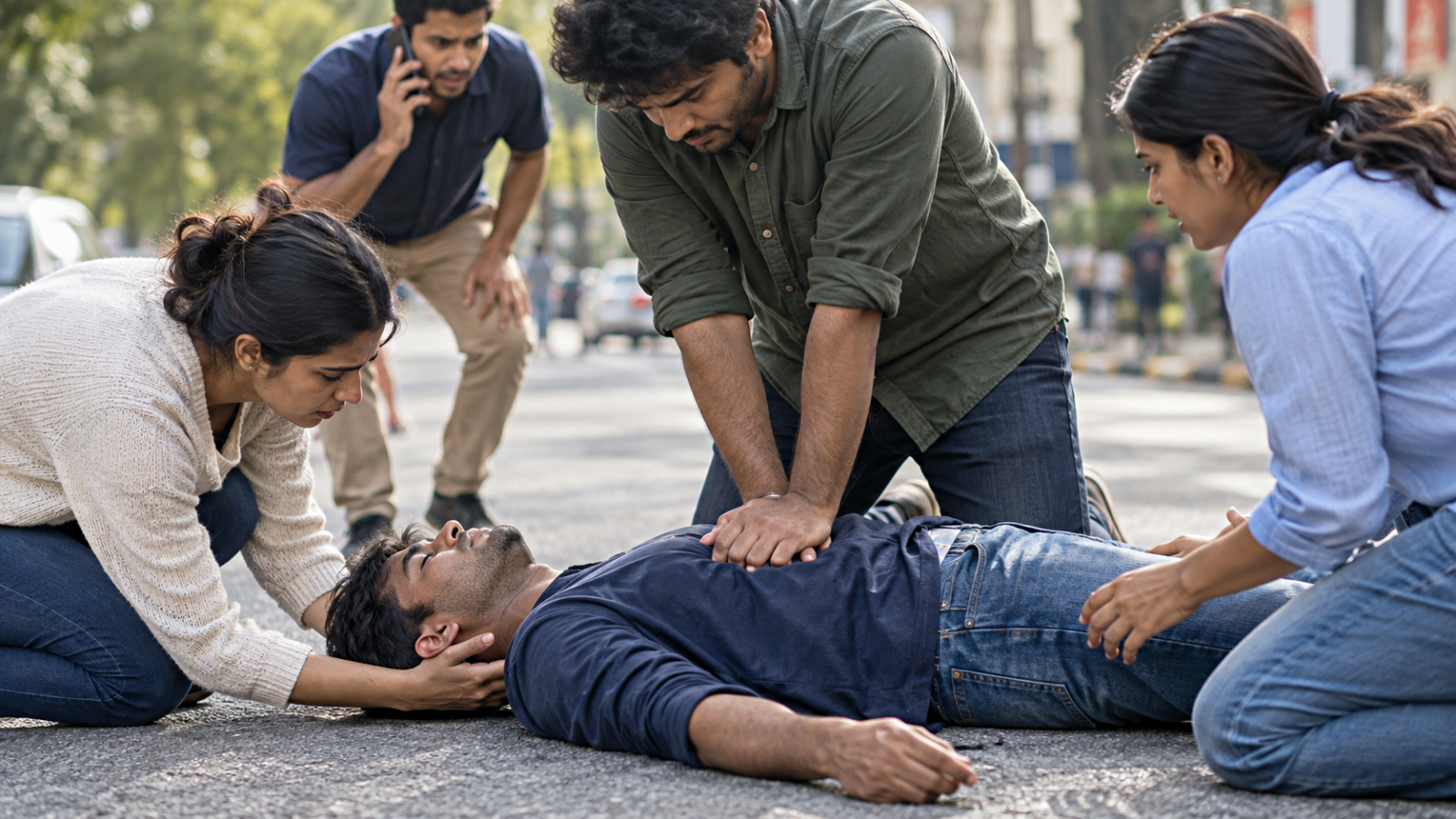 ” An untrained person may spend too much time trying to locate or confirm a pulse,” cautions Dr Pal (AI-generated image)
5. Call for emergency medical help and begin CPR.
If the person is unresponsive and not breathing normally, start “chest compressions” rather than delaying while attempting to find a pulse.
6. Use an AED if one is available.
Story continues below this ad
” If an AED (automated external defibrillator) is available, use it as soon as possible and follow its voice instructions,” Dr Pal advises.
Why shouldn’t you check the pulse first?
Does one need to check pulse of the unconscious person before starting CPR?
▶️For a layperson: DO NOT waste time checking the pulse.
▶️If an adult is unresponsive and not breathing normally (or is only gasping):
1. Call emergency services
2. Start CPR immediately
3. Get an AED if available.▶️Healthcare professionals are trained to check for a pulse, but an untrained bystander may have difficulty detecting it accurately and could delay CPR.
— Dr Sudhir Kumar MD DM (@hyderabaddoctor) October 4, 2026
“You do not need to be an expert at checking a pulse,” Dr Pal explains. “If a person is unresponsive and not breathing normally, treat it as a cardiac emergency.”
An untrained person may spend too much time trying to locate or confirm a pulse, which can delay CPR.
“In a cardiac arrest, every minute matters,” Dr Pal stresses. If the person is unresponsive and not breathing normally, chest compressions should be started as soon as possible rather than delaying CPR while trying to find a pulse.
What if you’re unsure?
Story continues below this ad
“If you are unsure, do not wait too long trying to figure it out,” Dr Pal cautions.
If the person is unresponsive and their breathing is absent or abnormal, call for emergency help and begin CPR.
“It is better to act promptly than to lose valuable time trying to make a perfect assessment,” the cardiologist concludes.
DISCLAIMER: This article is based on information from the public domain and/or the experts we spoke to. Always consult your health practitioner before starting any routine.
KioskNews shows a cleaned-up reading view extracted from the publisher’s page — the original always lives on their site, not ours.