Six reasons why you need a second bank account (and maybe a third)
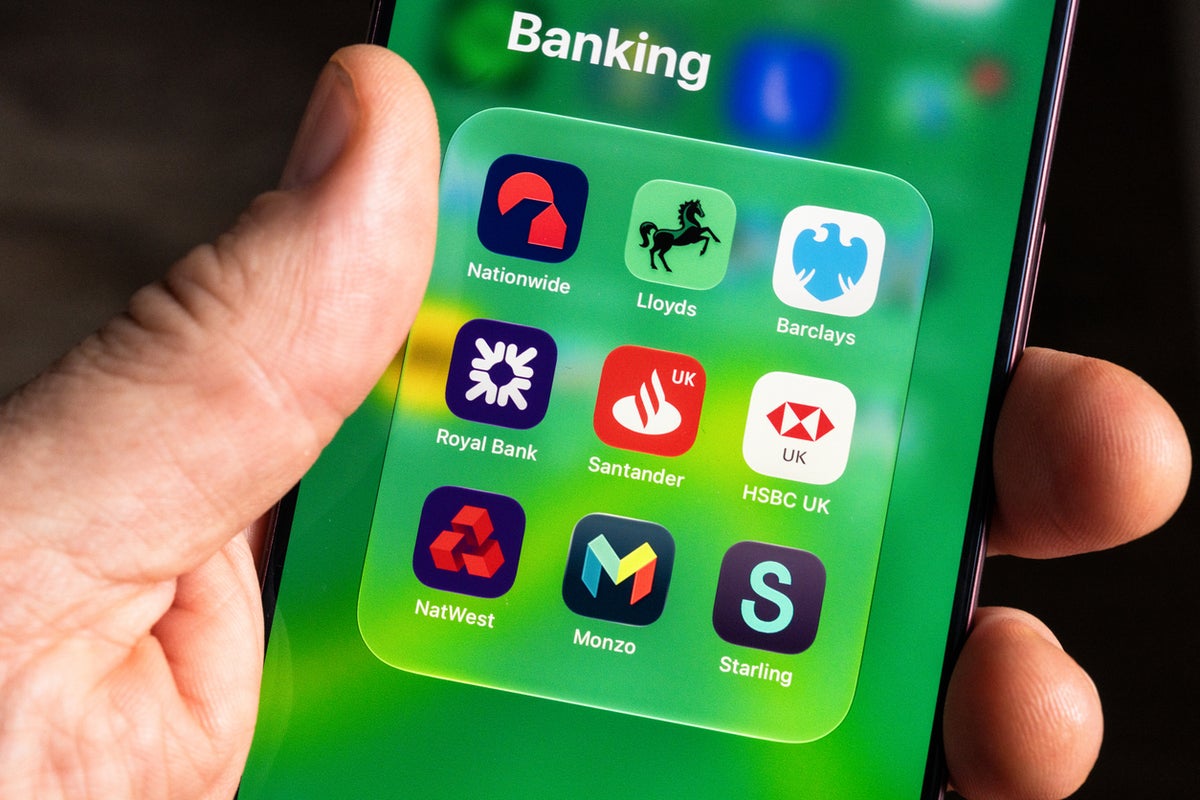
The days of having just one bank account are behind us, with millions of Brits holding multiple current accounts.
According to research by Kroo Bank, nearly half (49 per cent) of UK adults now have more than one current account. The study found consumers are increasingly mixing and matching providers to manage household bills, keep track of spending - and earn a bit of extra interest.
The trend has gained additional relevance following comments from Financial Conduct Authority chief executive Nikhil Rathi.
“In terms of the broader national resilience conversation, think about for yourselves, do you have more than one [bank] account, for example. Do you have your own ability to substitute in the event that your single provider goes down? Because we're not going to be able to avoid some of these incidents happening,” Rathi told the Sunday Times.
It makes sense: beyond providing a back-up if your bank suffers an outage, extra current accounts can make budgeting simpler, unlock various perks, and help reduce costs when travelling abroad.
Here's why millions of Brits are choosing to bank with more than one provider - and what you should look for when you do the same.
A financial lifeline
Holding a second current account can help not just in the case of a major banking outage, but also if you are a victim of fraud.
If your main account is frozen while suspicious activity is investigated, or you need to cancel a compromised debit card, you’ll need an alternative way to spend.
To make that safety net worthwhile, keep at least some money in the second account, ensure your debit card is active and make sure you can login to online or mobile banking.

Invest at least £100 in Stocks or ETFs of your choice. Get fractional shares worth £50!
Terms and conditions apply.
Go to websiteADVERTISEMENT
Invest at least £100 in Stocks or ETFs of your choice. Get fractional shares worth £50!
Terms and conditions apply.
Go to websiteADVERTISEMENT
Make budgeting easier
Kroo’s research found the most common reason for holding multiple current accounts was simply to stay organised, cited by 39 per cent of respondents.
Veronika Lovett, chief executive of Kroo Bank, said: “Nearly half of people now hold more than one current account, and many are doing it with a clear purpose – to stay organised, share bills and get more from their money.”
Managing shared household costs was the second most popular reason, mentioned by almost a quarter (22 per cent).
One way to do this is to separate essential expenses from day-to-day spending. On payday, transfer enough money into a dedicated bills account to cover your mortgage or rent, household bills and subscriptions. Whatever remains in your main account can then be used for groceries, socialising and other discretionary spending.
A second account can also make it easier to manage finances with a partner. By paying an agreed amount into a joint account each month to cover shared costs, you can keep household spending separate while maintaining control over your own money.
Get rewarded
Banks are competing for customers, so having more than one current account can help you take advantage of different perks.
Several current accounts offer cashback on household bills paid by direct debit. Top options include Zopa Biscuit, Santander Edge, Nationwide FlexDirect and NatWest Reward. Before you sign up, check that any cashback is worth more than the account's monthly fee if there is one, and whether you need to pay a minimum amount into the account each month to be eligible.
Some banks offer high in-credit interest, either on the current account balance or a linked savings account. For example, Nationwide's FlexDirect account pays 5 per cent interest on balances up to £1,500 (but only for a year).
Chase current account customers can open an easy-access saver paying 4.75 per cent AER (including a one-year bonus), plus a regular saver paying 6.5 per cent which lets you save up to £300 a month for a year. Once you’ve got £1,000 in savings across any of those options, Chase will give you 2 per cent cashback on spending from your current account.
Get fee-free spending abroad
If you're a frequent traveller, opening a separate current account for overseas spending could help keep costs down.
Some high street banks still charge fees for using your card abroad, but several banks offer fee-free spending overseas and free cash withdrawals up to certain limits.
For example, First Direct, Monzo and Nationwide allow customers to use their debit cards abroad without foreign transaction fees, making them popular choices with holidaymakers.

Get a better banking app - or local branches
Not all banking apps are created equal. While some simply let you check your balance and make payments, many app-only banks offer sophisticated budgeting tools and instant spending alerts.
The value you place on that will depend on how you use apps and so is different for everyone - just like whether or not you tend to visit bank branches at times.
Additional security tools can also be a reason to open a second account.
A growing number of banks, including Wise, Nationwide, Monzo, and Starling, offer in-app caller verification features that help customers check whether a phone call purporting to be from their bank is genuine – or a fraudster.
What should you consider before opening another current account?
Before opening a second account, think about what you want it to achieve. If resilience is your priority, choose an account with a different banking group from your main provider and keep enough money in it to cover a few days' worth of essential spending should your main account become unavailable.
It's also important to check fees, terms and eligibility requirements carefully. Some accounts require you to pay in a minimum amount each month or set up direct debits to qualify for perks such as cashback, interest or fee-free overdrafts.
Finally, think carefully before opening a joint account. While they can be a useful way to manage shared expenses, they also create a financial association on your credit reports, meaning a partner's borrowing behaviour could affect your ability to access credit in the future.
When investing, your capital is at risk and you may get back less than invested. Past performance doesn’t guarantee future results.
KioskNews shows a cleaned-up reading view extracted from the publisher’s page — the original always lives on their site, not ours.