Pankaj Advani Creates History, Becomes First Indian To Win Crucible Cup
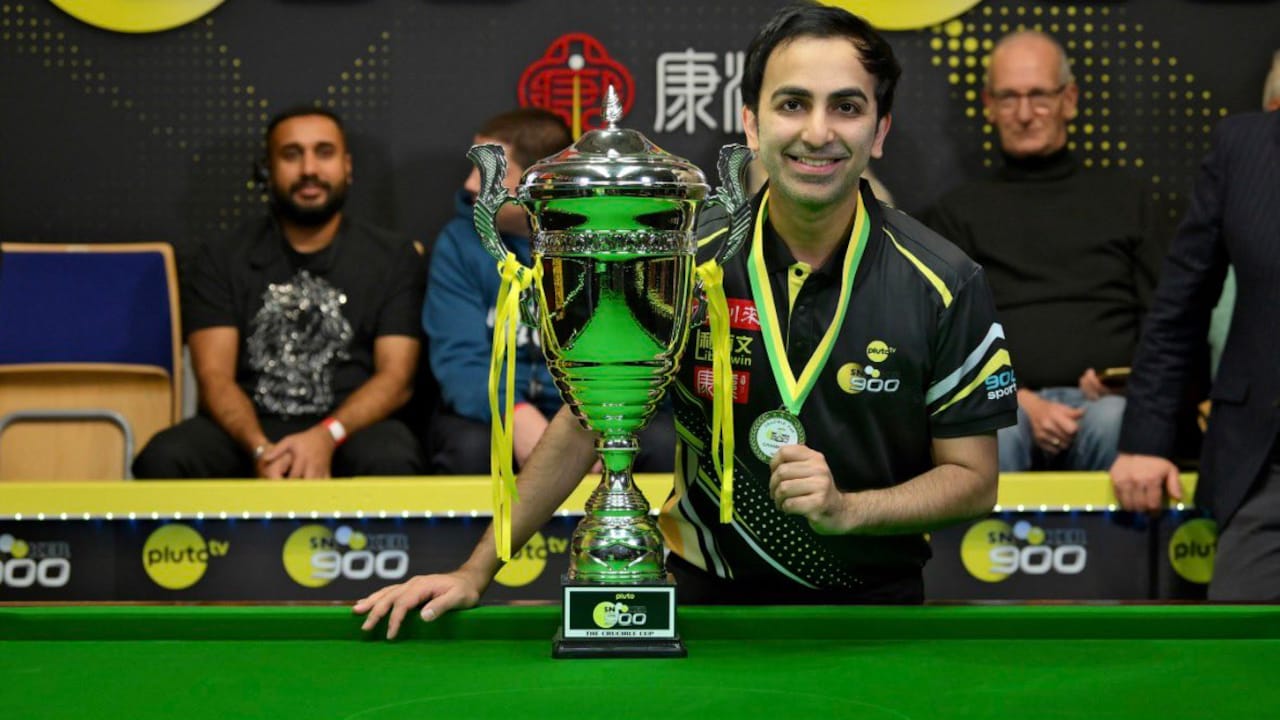
Pankaj Advani Becomes First Indian To Win Crucible Cup© X/@Snooker900tv
Pankaj Advani became the first Indian to win the prestigious Crucible Cup, defeating Maltese former professional Tony Drago 6-0 in the final of the tournament, which was played under the fast-paced Snooker 900 format in Reading, UK. Advani, the reigning world billiards champion, displayed a blend of skill and composure to beat defending champion and former world snooker champion Neil Robertson of Australia 5-2 in his opening match. In his next encounter, the Indian cueist comfortably overcame Joe Perry 5-1 to book his place in the final. Perry had entered the round on the back of a stunning 5-0 demolition of reigning world snooker champion Wu Yize.
Drago then produced a major upset by defeating Ronnie O'Sullivan 5-3 to set up an intriguing final against the Indian maestro.
Known for rising to the occasion on the biggest stages, Advani delivered a performance of exceptional quality, sweeping through the title clash 6-0 to lift the Crucible Cup.
In total, Advani dropped only three frames throughout the entire tournament.
"The thing about Pankaj is that he is a serial winner. He knows how to win," Drago said after the match.
The tournament featured several leading names from different cue-sport disciplines, including O'Sullivan and Heyball star Zheng Yubo.
The Snooker 900 format requires players to take each shot within 20 seconds, with every frame limited to 15 minutes. The player leading when the time expires is declared the winner, even if all the balls have not been potted.
The victory also means India will host the next edition of the Crucible Cup in 2027, bringing the tournament to the country for the first time.
(Except for the headline, this story has not been edited by NDTV staff and is published from a syndicated feed.)
Featured Video Of The Day
Total Chess Highlight Show: Dramatic Blunders, Tight Group Races And Chess Creators
KioskNews shows a cleaned-up reading view extracted from the publisher’s page — the original always lives on their site, not ours.