Rodrigo Duterte camp: Link to alleged crimes against humanity "untenable"
Make this your preferred source to get more updates from this publisher on Google.
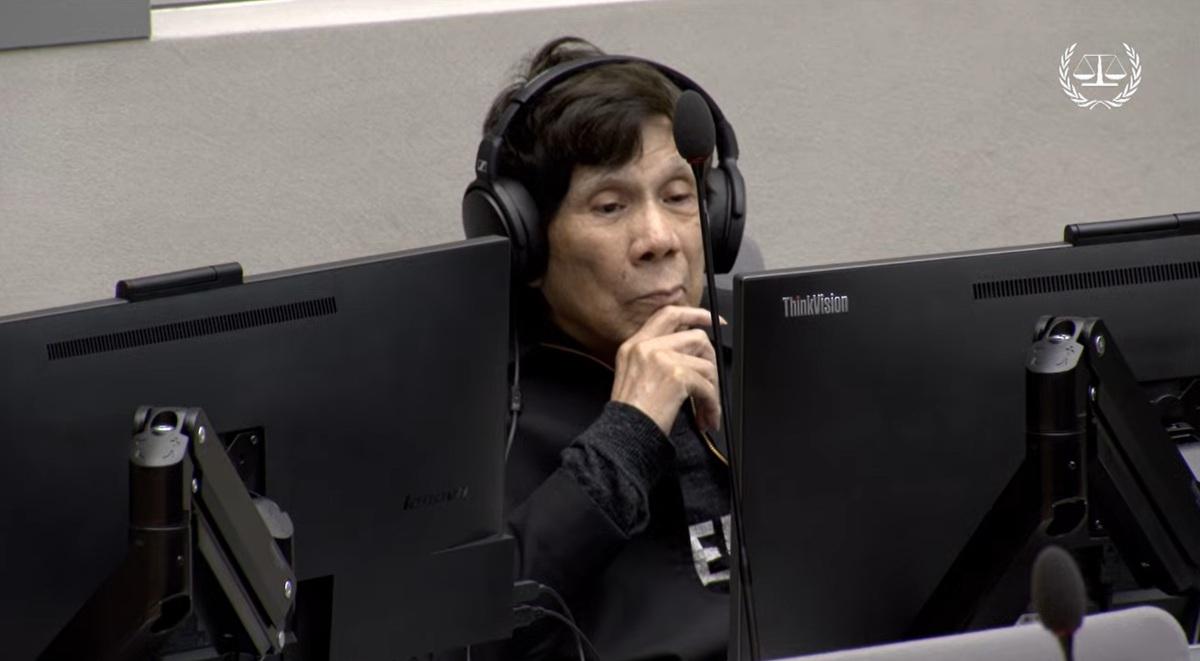
PRAGUE, Czech Republic – Roughly four days before the International Criminal Court (ICC) opens its trial of Rodrigo Duterte, his camp has reiterated its position: the allegation of crimes against humanity charged to the former president is “untenable”.
In its major 77-page pre-trial brief released on November 25, Duterte’s defense team questioned the Office of the Prosecutor’s evidence that links Duterte to the allegations of murder and alleged murder during the charged period.
"The link between Mr. Duterte and the alleged crimes is untenable," according to the document. "The Prosecution places weight on the speeches of Mr. Duterte, but that rhetoric, situated in its proper context, establishes neither criminal intent nor the requisite nexus to the charges. Furthermore, the term neutralisation did not mean to kill a suspect."
Saying that the defense “does not intend to raise a positive defense,” lead counsel Peter Haynes emphasized that Duterte’s camp will instead “show that the crimes alleged do not constitute crimes against humanity”.
Haynes refuted the prosecution’s charges, saying that even if it could prove beyond reasonable doubt the 56 incidents it linked to Duterte, their evidence “cannot establish the contextual elements” of crimes against humanity.
“There was no widespread or systematic attack against the civilian population of the Philippines. There was no State or organisational policy to murder. This is not a crimes against humanity case and, as such, does not belong before this Court.”
Duterte’s defense also told Trial Chamber III that it “is not contesting the existence of unlawful killings by police” during Duterte’s drug war, but argued the killings “undoubtedly occurred”, but “they were not crimes against humanity."
Haynes argued that the drug war killings “have been prosecuted and continue to be prosecuted as ordinary murders” in the Philippines, which he said has a “functioning criminal justice system” as well as “functioning domestic mechanisms for accountability – including criminal accountability."
He also asserted that the ICC case against Duterte “organically emerged from an impartial investigation into incriminating and exonerating circumstances.”
“There is something obscene and perverse about a process which removes accountability processes from a national system entirely equipped to deal with them, and instead rewards the direct perpetrators with impunity for the crimes, all to build an “international” case against an 81-year old man, whose cognitive impairment has been acknowledged by court-appointed doctors, one of whom was transparent that Mr Duterte doesn’t remember things from one meeting to the next,” Haynes stated in the brief.
The defense’s pre-trial brief, originally submitted to Trial Chamber III on November 20, is released with redactions.
The filing comes as Presiding Judge Joanna Korner, Judge Keebong Paek, and Judge Nicolas Guillou are hearing and deciding on a multitude of evidentiary and procedural arguments from the defense, the prosecution, the Common Legal Representatives of Victims, and the ICC Registry.
With less than a week before Duterte’s trial begins, information on which prosecution witness testimony should be admitted in court, the in-court security measures to protect witnesses and victims, and other logistical courtroom concerns remains scarce.
Duterte’s trial for charges against humanity begins on Monday, November 30. The ICC Public Affairs Unit said the trial may take months, as the first block of presentations will focus on the prosecution presenting its witnesses and evidence. —LDF, GMA News
KioskNews shows a cleaned-up reading view extracted from the publisher’s page — the original always lives on their site, not ours.