No more handouts: Stark warning as soaring interest bill revealed
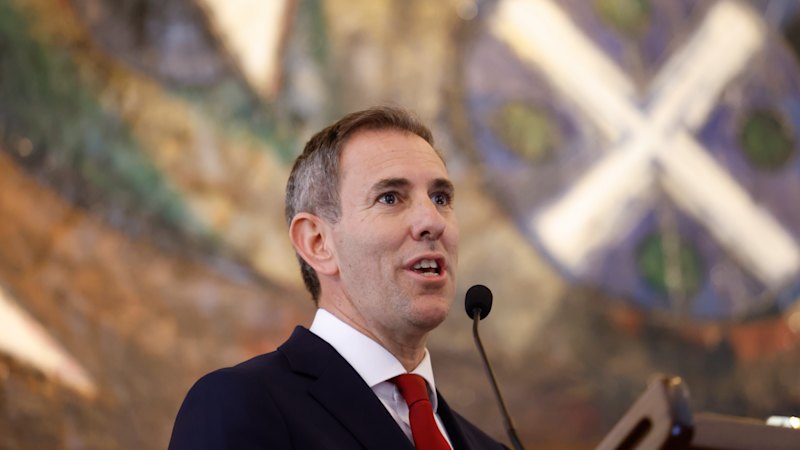
Turmoil in global bond markets is set to cost the already-strained federal budget billions in additional interest payments, Treasurer Jim Chalmers has warned, prompting a leading economist to say the party is over when it comes to cheap money funding populist handouts across the world.
Federal debt has surged past $1 trillion and rising global interest rates have thrown out forecasts for Australia’s interest bill, which was already the fastest growing component of Commonwealth spending.
Chalmers said the December budget update’s “problematic influence” would probably be “billions of dollars extra to service our borrowing costs”, two days after this term’s Intergenerational Report forecast higher taxes and debt if Australia’s productivity malaise festered.
“If you read the international economic commentary, the biggest thing that’s going on right now is the way that bond yields – which are essentially a reflection of borrowing costs – are going up around the world and quite substantially. Here in Australia as well,” the treasurer told The Conversation.
Chalmers said Australia’s debt was lower than most countries and the country was well-placed to withstand the unexpected surge in the price of money, but the opposition seized on the treasurer’s comments ahead of up to two Reserve Bank rate hikes.
“It’s welcome our taxaholic treasurer has finally woken up to the cost of his debt. But until he kicks his spending addiction he is adding more debt to the bottom line and making the problem worse,” shadow treasurer Tim Wilson said.
“The Albanese economic model is dependent on debt to fund spending.”
Yields for government bonds, effectively IOUs issued by governments to raised money, have climbed sharply in recent weeks across the US, Asia and Europe. Australia’s 10-year bond yield jumped by about half a percentage point to 5.3 per cent.
The yield on a bond rises when bonds become less attractive and their price falls. Long-term yields act as a benchmark for mortgage rates, so increases in yields pose a broader risk to growth around the world.
Economist and fiscal commentator Chris Richardson said global rates were unusually low for about two decades due to cheap Chinese production creating deflationary pressure, shocks such as the GFC and COVID making economies weaker.
But Richardson said “the party was over” when it came to governments in the populist era using cheap debt to fund handouts for increasingly grumpy voters.
Core to the change, he said, was growing concern about US debt, worsened by the Trump administration’s profligate spending and pledge to hand US$5000 to every voter. Richardson added that a global trust deficit was leading savers to seek a premium when they invested their money. AI firms funding the data centre boom were also adding to the challenge.
Richardson said the new era of interest rates meant that even when the Reserve Bank started to a rate-cutting cycle, mortgage rates would not go as low as they had earlier this century.
“We’re seeing a shift to the new normal in the cost of money. But the thing about the new normal is that it’s the old normal. The last 20 years has been unusual.”
Get a note directly from our foreign correspondents on what’s making headlines around the world. Sign up for our weekly What in the World newsletter.
KioskNews shows a cleaned-up reading view extracted from the publisher’s page — the original always lives on their site, not ours.