NVIDIA's smuggling problem is getting worse
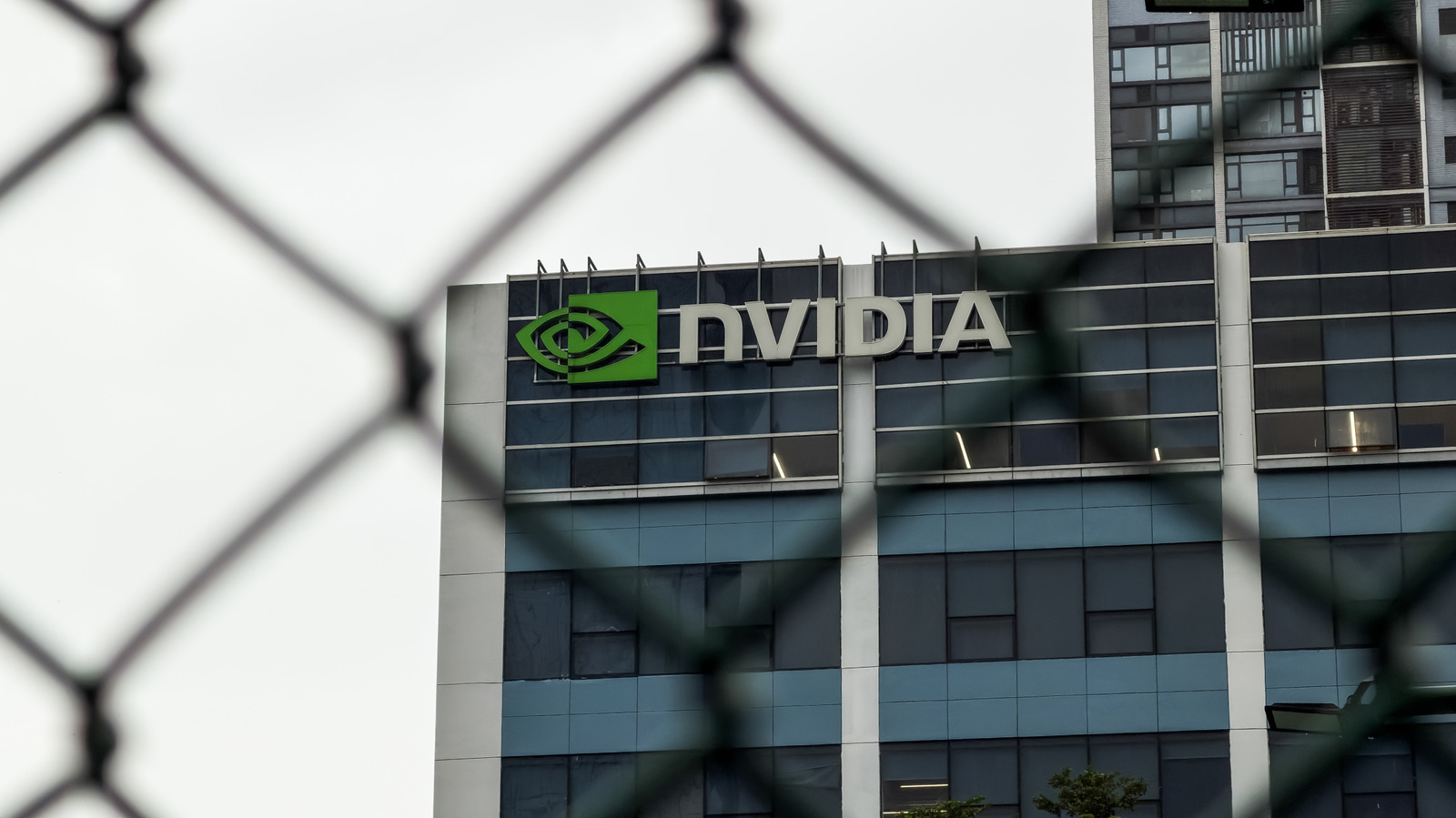
Following a high-profile arrest, some officials believe the company isn't doing enough.
Cheng Xin/Getty Images
US prosecutors just charged a man with smuggling NVIDIA chips to China, and government officials are saying the company isn't doing all it could to stop the illegal activities, Bloomberg reported.
Earlier this year, officials released a surveillance video showing someone using a red hair dryer to peel serial number stickers off NVIDIA server boxes in an effort to sneak AI chips to China. And yesterday, federal authorities arrested a man named Greg Lui for smuggling servers containing $300 million worth of AI chips to China, in violation of US export laws.
Those efforts reportedly show how an expanded network of criminals is attempting to reroute NVIDIA's AI chips to China, profiting from Washington's export controls that make the contraband silicon valuable. NVIDIA says it has abided by the rules and the company has never been accused of abetting smuggling. However, government officials and industry critics have highlighted gaps in the company's due diligence and questioned how it failed to notice red flags.
One of those red flags is around the countries adjacent to China, like Thailand and Singapore, receiving more shipments of chips than they could use. "I've never felt like we got a straight answer as to how it's possible for so many chips to be going to the Southeast Asia region if they were not serving customers in China," said former State Department AI policy head Daniel Remler. At the same time, Bloomberg reported that operators in western China were building dozens of data centers that could house 115,000 restricted NVIDIA processors. US officials now think that China has already smuggled that many chips and more, according to Bloomberg's sources.
An example of such an operation involved Super Micro and the famous red hair dryer. Accused collaborators from that wholesaler (including Super Micro co-founder Yih-Shyan "Wally" Liaw) allegedly found buyers in China eager to purchase NVIDIA's latest AI tech. To get around export controls, the company sold approximately $2.5 billion worth of AI servers to a Bangkok-based company called OBON, which was ostensibly using them to create AI infrastructure in Thailand. However, the servers were instead shipped directly to end-users in China. To fool compliance officers, the conspirators removed stickers from genuine NVIDIA products with a hair dryer and stuck them onto dummy servers.
Officials say that NVIDIA should have noticed that OBON didn't have the physical capacity (100 megawatts of data center space) to host the number of servers it purchased. Since Thailand only has a few hundred megawatts of AI data centers up and running, such an enterprise would certainly have been newsworthy.
NVIDIA disputed that notion, though. "A startup's growth plan in a friendly nation is an opportunity for America, not a 'red flag' to be feared," a spokesperson said. "NVIDIA-powered servers are financeable assets that help startups secure capital and infrastructure, including data center space. When the law is clear, American companies honor US laws as they are, not as America's critics wish they were." The company added that progress in AI chip development from Huawei and means Chinese buyers don't need to smuggle in NVIDIA hardware.
NVIDIA's CEO Jensen Huang has lobbied US officials to relax export curbs to China and other Asian nations, and convince the Trump administration last year to allow sales of its previous-generation Hopper H200 accelerators to China.
Support in the US Congress and Senate for tighter export rules has been tepid, other than with a few hawks like Senator Elizabeth Warren. NVIDIA's Huang recently declined an invitation from Warren to testify in on Capitol Hill, which prompted a sharp response. "If Mr. Huang has time to attend a $1 million-a-head dinner at Mar-a-Lago and fly across the world to meet with President Xi Jinping of China, he should be able to find time to answer questions from Congress," she said at the time.
KioskNews shows a cleaned-up reading view extracted from the publisher’s page — the original always lives on their site, not ours.