San Siro celebrates Centenary, with hope for new stadium in 2030
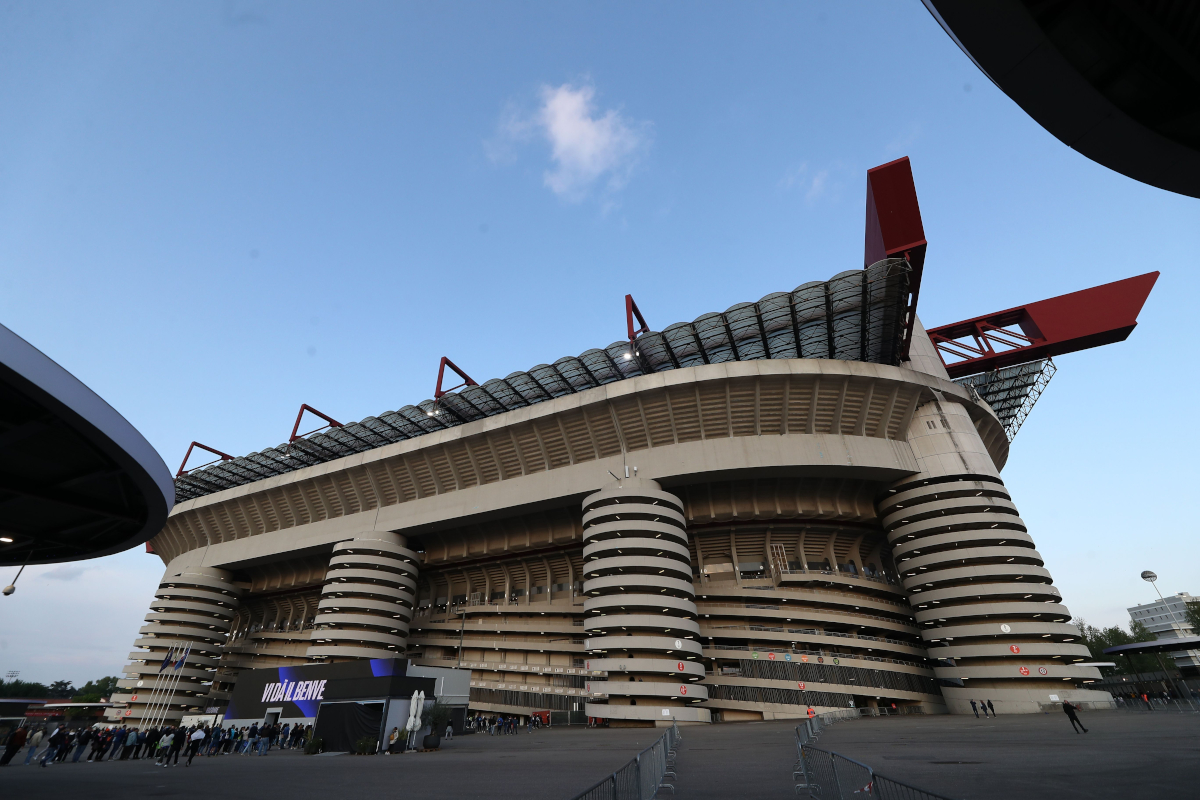
MILAN, ITALY - APRIL 21: A general view of the Giuseppe Meazza Stadium San Siro ahead of the Coppa Italia match between FC Internazionale and Como 1907 at San Siro on April 21, 2026 in Milan, Italy. (Photo by Marco Luzzani/Getty Images)
It is precisely 100 years ago today that the iconic San Siro stadium was inaugurated, and with a new arena planned in the same area, it’s important to remember how much it has already changed.
The area of Milan is called San Siro, and that was therefore also the name of the stadium when it was first opened on September 19, 1926.
La Scala del Calcio was renamed the Stadio Giuseppe Meazza in 1980, after the player who wore both the jerseys of Inter and Milan during his record-breaking career.
San Siro, 100 years of history
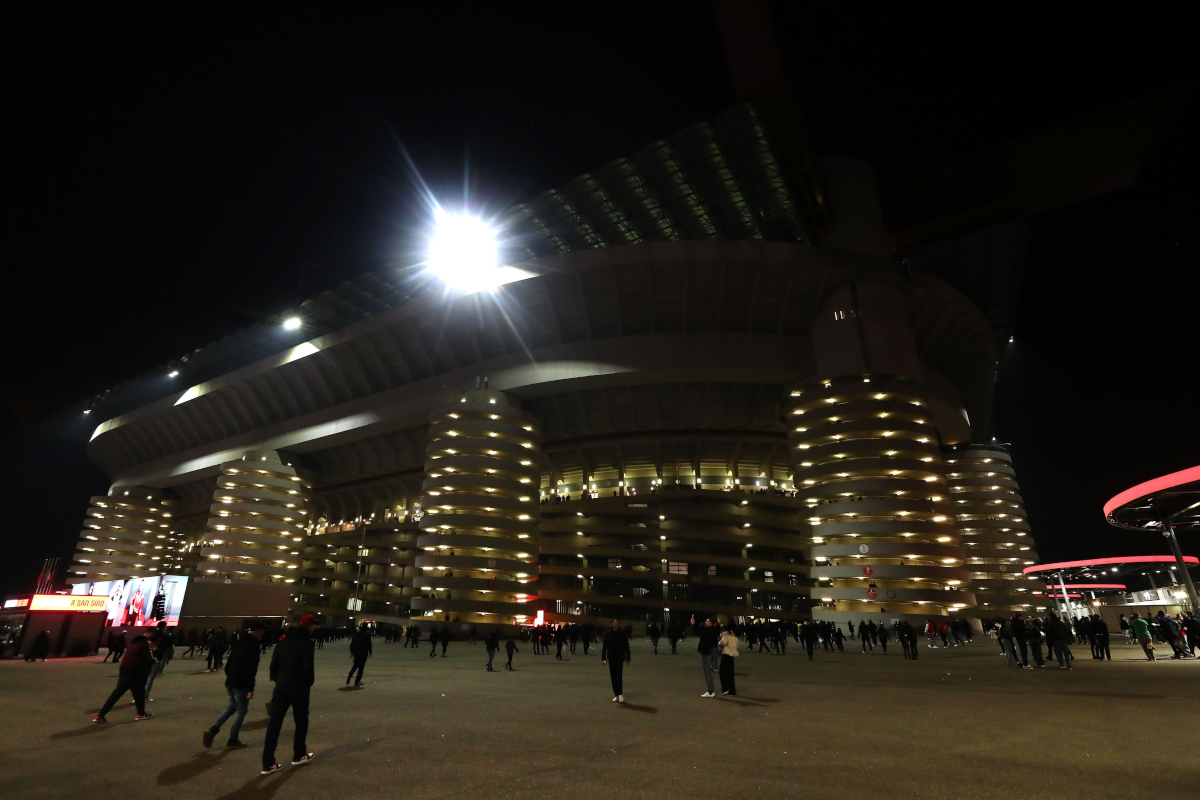
Originally, the stadium had just four straight grandstands and a capacity of 35,000 spectators, inaugurated with the AC Milan vs. Internazionale local derby.
This was expanded to 55,000 seats in 1935 following the construction of the four connecting curves, then a second tier was added in 1955.
As all-seater stadiums were not required at that time, the attendance could reach 85,000, with 60,000 of them seated.
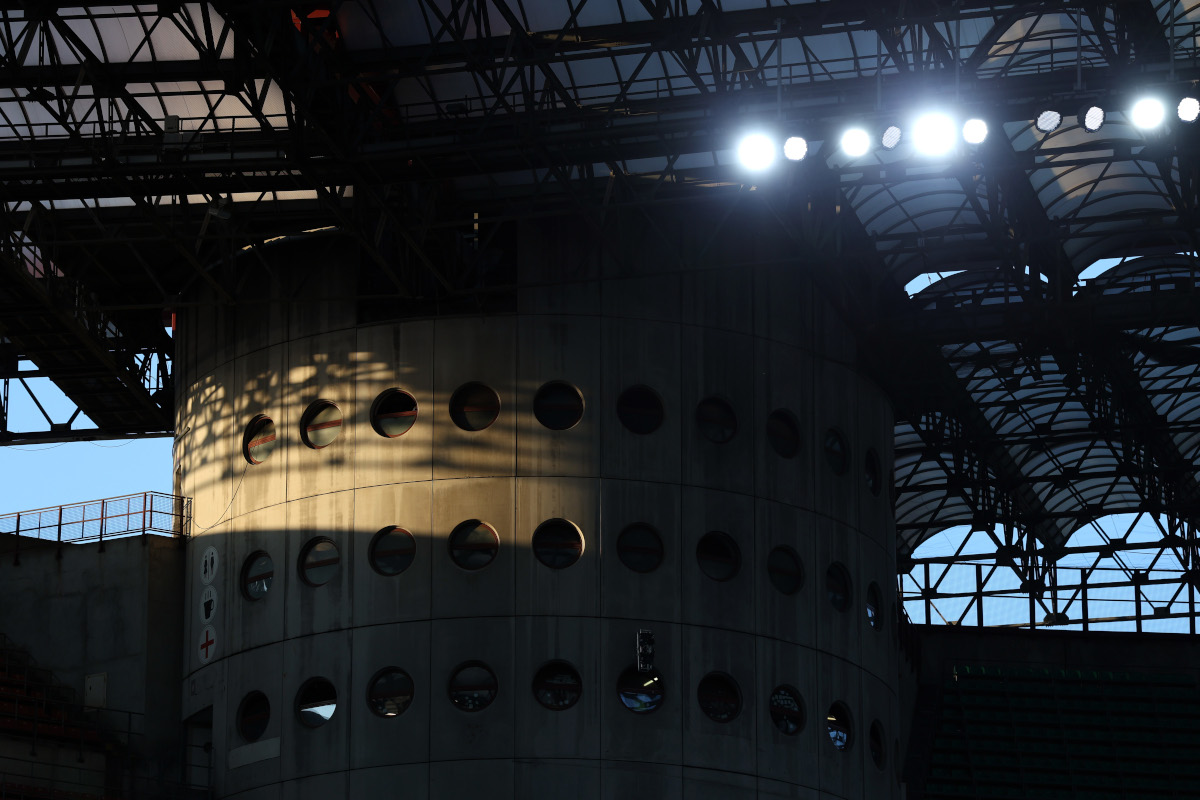
The biggest changes were introduced for the 1990 World Cup hosting duties, where the opening ceremony was held.
A third tier was added and a roof placed over the top, covering the 85,700 seats with its inauguration on April 25, 1990.
That was the last time any significant work was done to the structure, which of course is why Inter and Milan were so determined to tear it all down and build a new stadium.
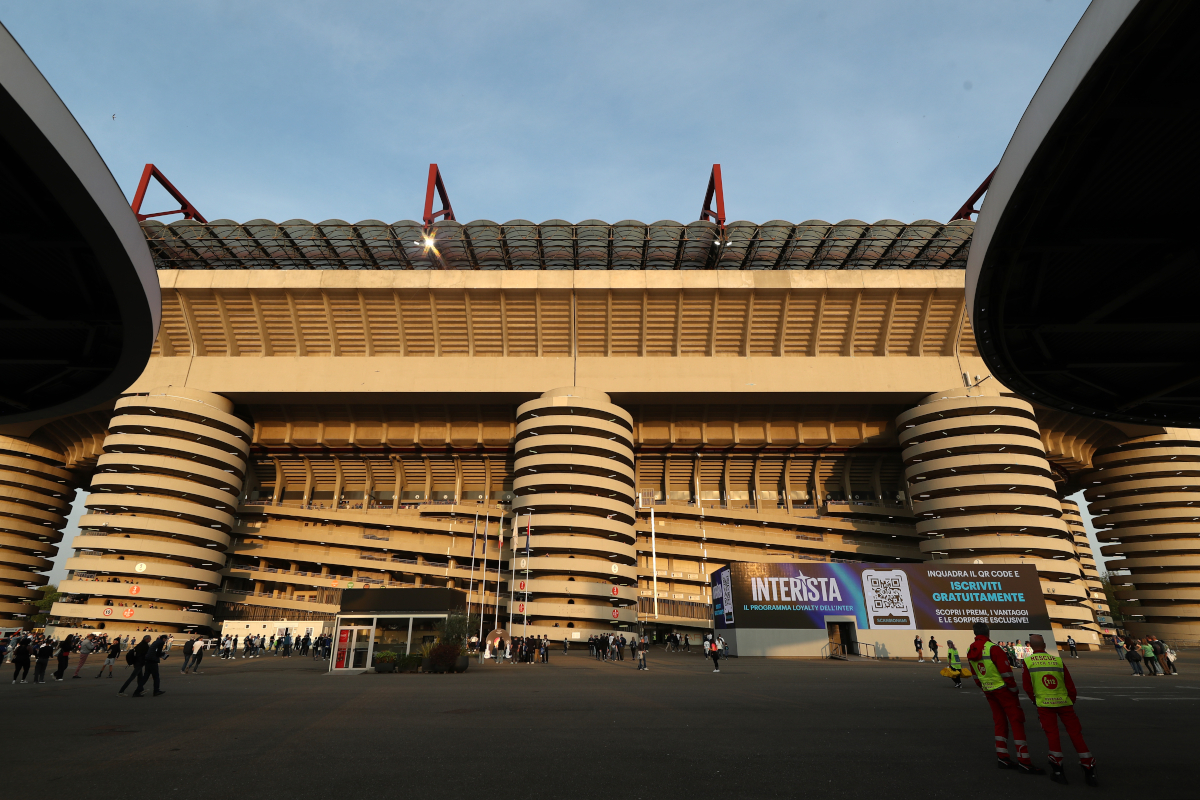
Following a decade of proposals, legal action and battles with the local authorities, it looks as if that construction can finally begin next year in what is effectively now the car park of the Stadio Meazza.
The clubs maintain they will be able to inaugurate the new San Siro in December 2030, which would allow it to be one of the host stadiums for Italy at EURO 2032.
KioskNews shows a cleaned-up reading view extracted from the publisher’s page — the original always lives on their site, not ours.