Jeffrey Archer: A gift for self-publicity but dogged by scandal – he was the nearly man of British politics
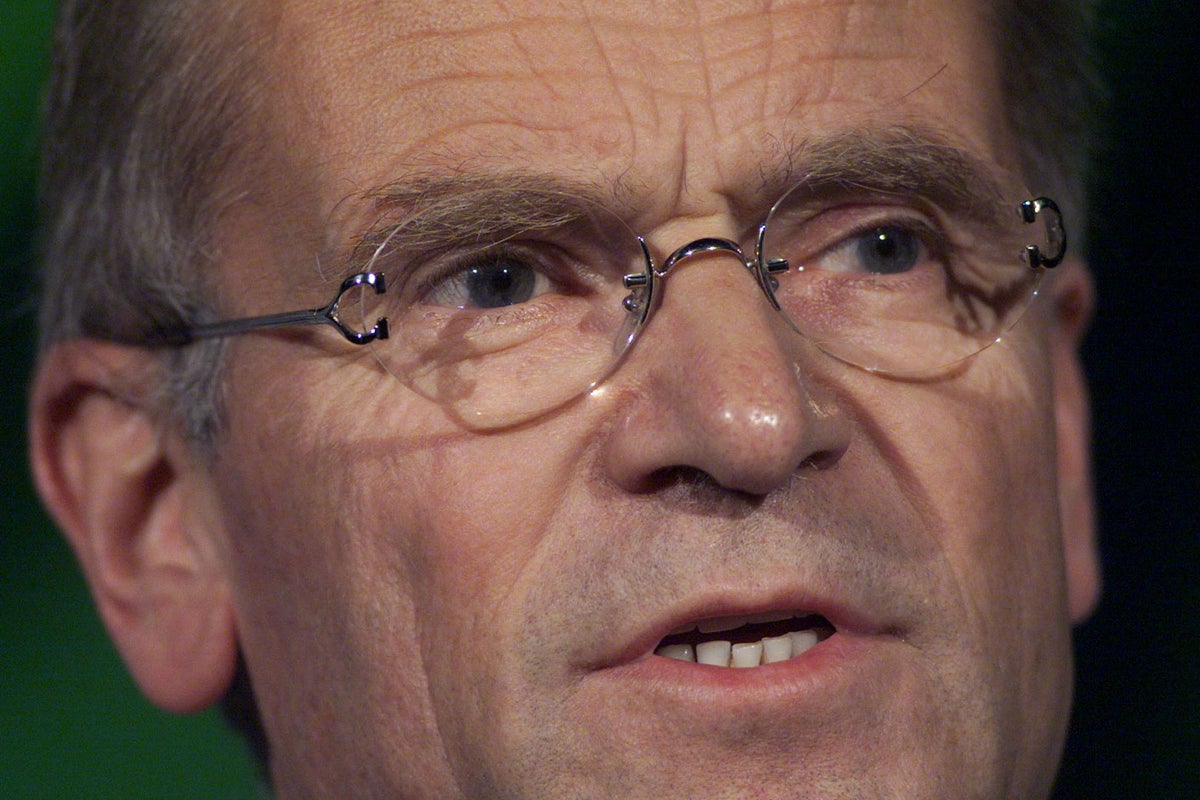
Jeffrey Archer’s vivid and erratic political career, dogged by scandal and beset by obstacles, ended in July 2001, with the ultimate disgrace of him being imprisoned for four years for perjury and perverting the course of justice.
An Old Bailey jury found that he had lied in a libel action he had brought against the Daily Star newspaper 13 years earlier, in which he was awarded £500,000 damages.
And within hours of his arrival at Belmarsh top-security prison in south-east London, questions were being asked at the highest level about the whereabouts of the millions of pounds he allegedly raised for the Kurds and other causes, amid rising suspicion that little, if any, of it reached its proper destination.
Before his humiliating downfall, he was the nearly man of the British political scene.
His undisputed talents as a political cheerleader, his searing ambition and his dogged resolve to succeed often brought him close to where he wanted to go, but always short of the target he set himself – which was the top.
And whenever he was in sight of these targets, some grisly newspaper revelation would bring him plummeting, like a meteor, down to earth again, sometimes in disgrace.
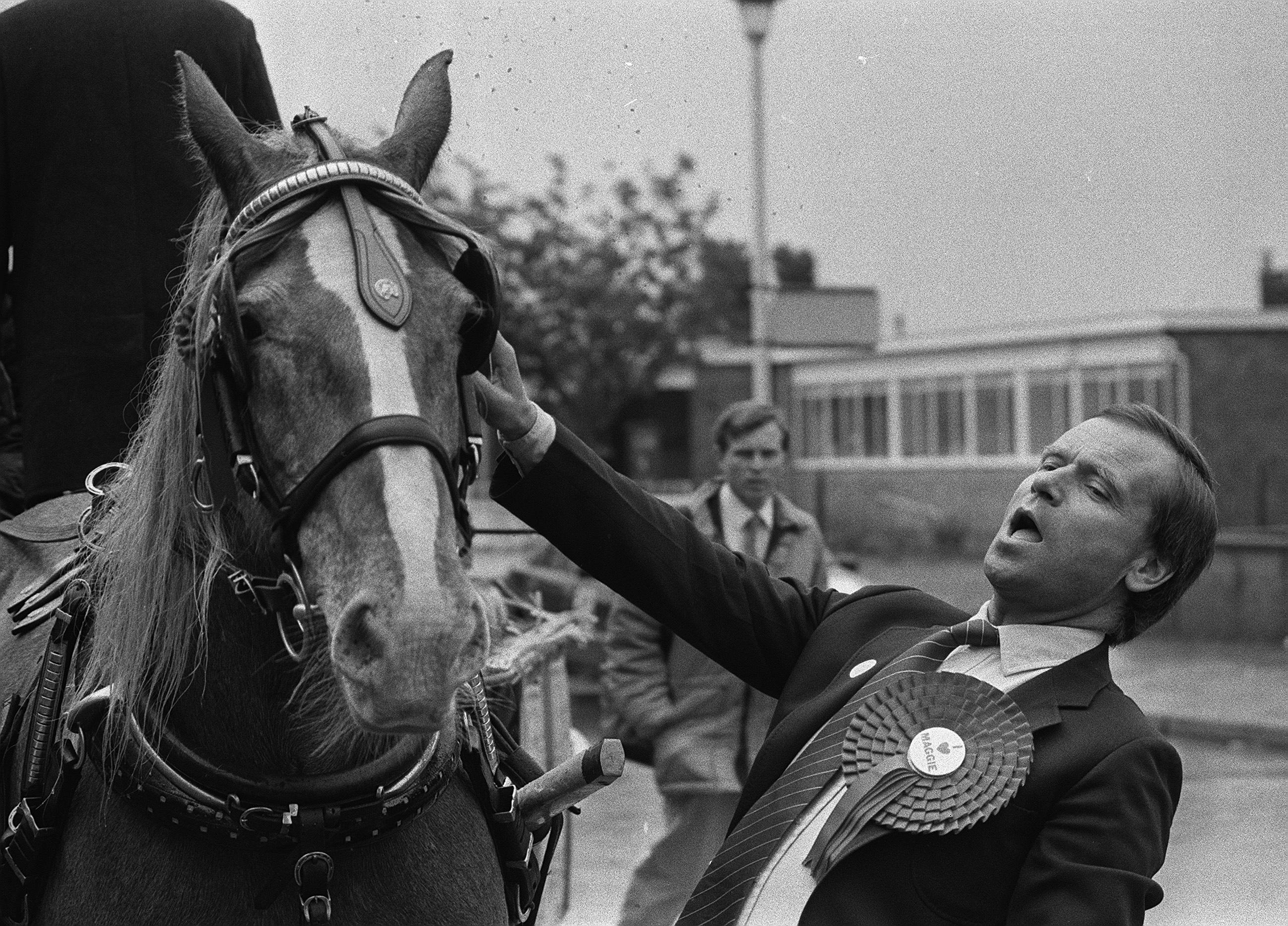
But he also enjoyed the reputation of being the India rubber ball man of British politics. Whenever things went disastrously wrong – as they did from time to time – Archer was usually adept at bouncing back.
But the events which led to his Old Bailey trial and subsequent conviction were more than even a man of his Houdini skills could escape from.
He made millions out of his best-selling novels, became – at Margaret Thatcher’s insistence – deputy chairman of the Conservative Party, and he was the runaway Tory choice for the first mayor of London – an opportunity which collapsed in ruins when the perjury allegations landed on his doorstep.
Ambition was rooted in Jeffrey Archer – later to become Lord Archer of Weston-super-Mare – from an early age. He once said that when he was three he wanted to be four, and when he was four he wanted to be Prime Minister.
This brash young man had no hesitation in telling people whom he thought were destined to become Tory leaders: “I would very much like to be a member of your administration.”
Nor did he have any illusions about his chequered career. Indeed, he sometimes traded on it. Once he cheerfully told an audience that was electing a Tory candidate for the London mayoralty: “I’m no saint. If you want a saint don’t pick me.”
But they picked him nevertheless, only to see their choice yet again tumble from grace and fall by the wayside.
Jeffrey Howard Archer was born an only child on April 15 1940, in Weston-super-Mare, to William and Lola.
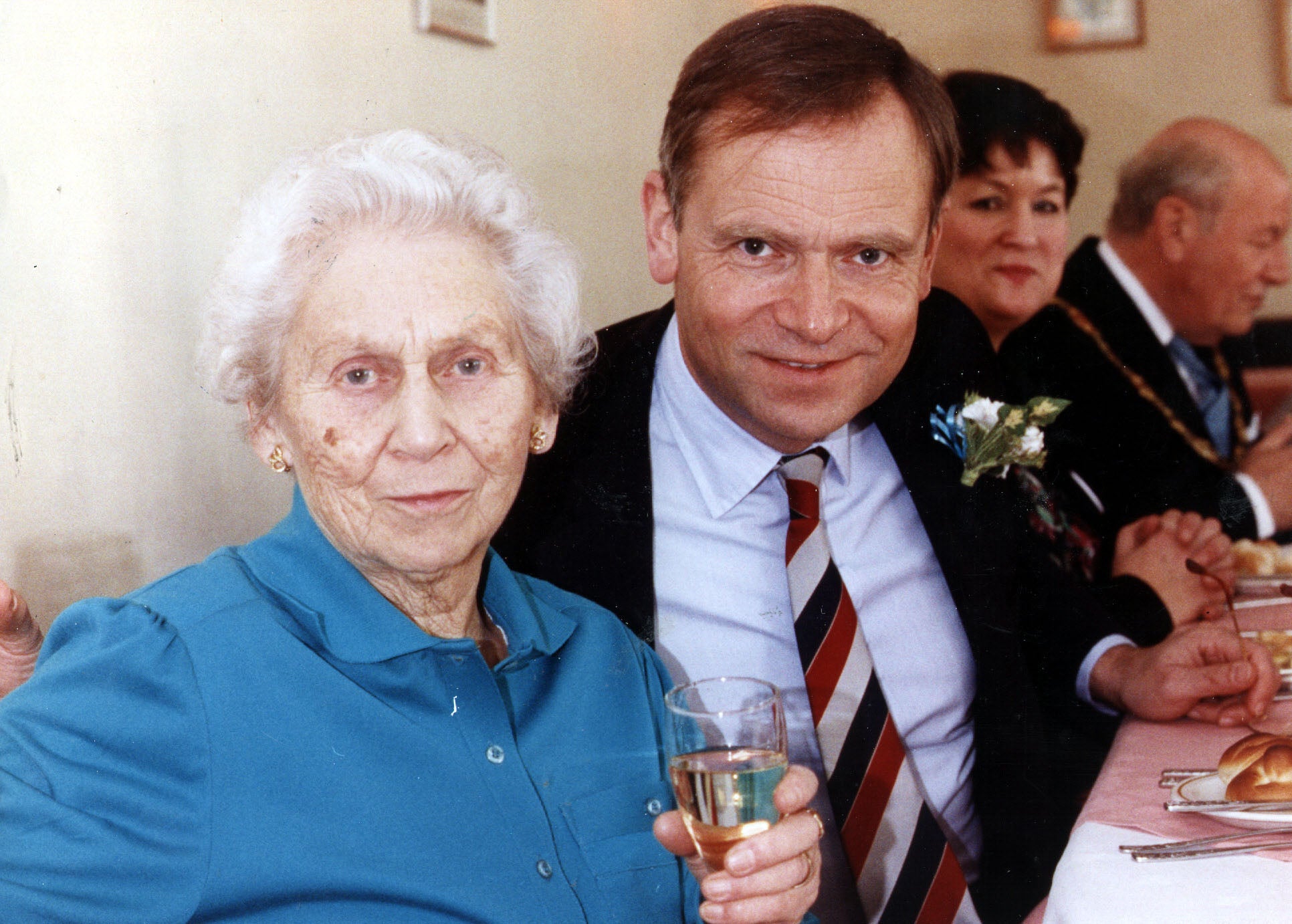
After completing his education at Wellington School in Somerset, Archer arrived at Oxford in October 1963. He went for a one-year course, the Diploma in Education, but ended up staying for three years, just as though he were a typical undergraduate.
The Oxford Department of Education had a “semi-detached” status with the university in the 1960s which explained why some people were convinced that Archer was never really at Oxford University.
But as one of his biographers pointed out, education students were, and remain, full members of the universities, even if their tutors were not accepted as Oxford dons.
Archer was enrolled into Oxford University in October 1963 and his name appears in the university calendar for 1964 under Brasenose College. His Who’s Who entry implied that he graduated from Brasenose, which is not strictly correct.
Archer, an accomplished sprinter, won his first athletics blue in the varsity match of May 1964, running in both the 100 and 220 yards.
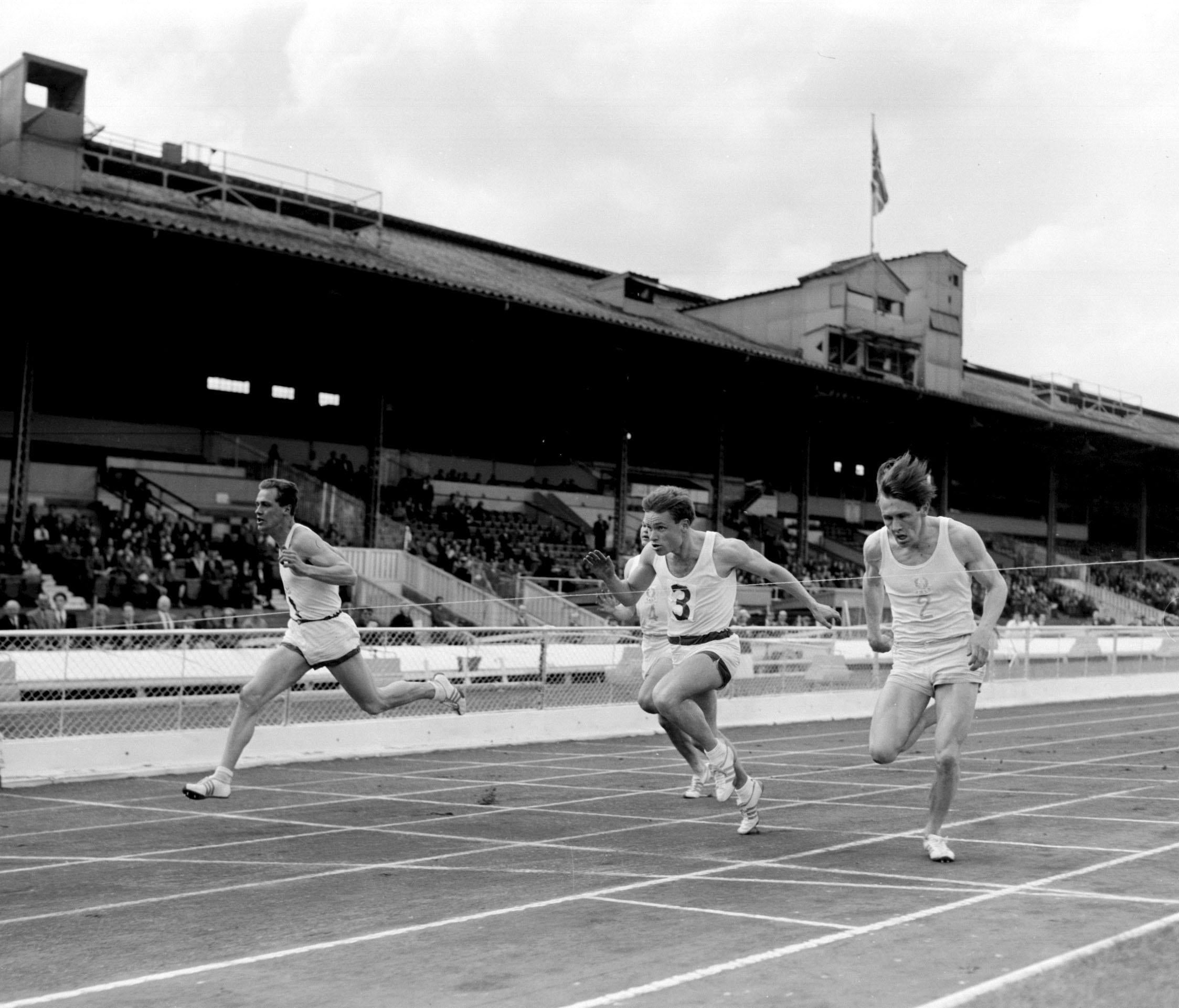
That spring he was on the verge of international recognition and was picked for the Great Britain A side, a second team, against the Benelux countries. But his dreams of becoming an Olympic athlete were never realised.
Later, he was to launch a public relations and fundraising firm, Arrow Enterprises.
He entered politics in 1967, a year after leaving Oxford, when he secured a seat on the Greater London Council. Two years later he won a resounding by-election victory for the Tories.
He had made a fortune from his business and was about to forge a glittering political career. But then in 1974 came what he later referred to as “by far the worst thing that ever happened to me”.
Unwittingly caught up in the collapse of Aquablast, a fraudulent Canadian industrial cleaning company, he was suddenly brought to the brink of bankruptcy.
In an attempt to earn some money he set about writing a novel, drawing on the experience of his financial disaster.
The result, Not A Penny More, Not A Penny Less, was an instant best seller and launched him on a new path to riches as a writer.
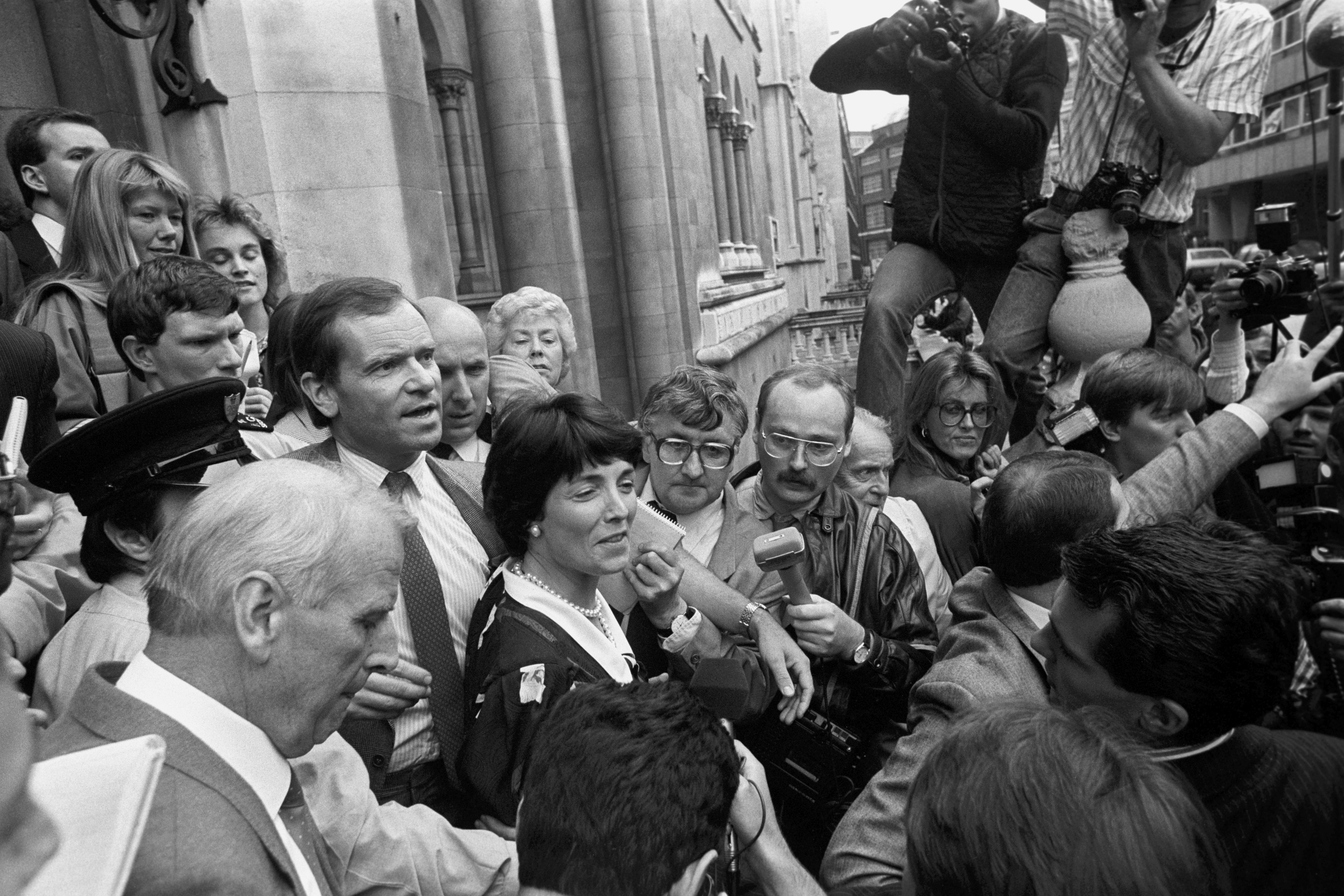
His books, which also included Kane and Abel, The Prodigal Daughter and First Among Equals, sold millions of copies around the world and made him a millionaire.
Archer had a gift for self-publicity, and for keeping himself in the public eye and on the front pages of the newspapers. He maintained his links with the Conservative Party, where he was adored by the women members. Archer was in regular demand as a speech-maker and fete-opener all over the country.
In short, he was the darling of important sections of the party. But there were those who regarded him as an unsafe pair of hands and too erratic to be entrusted with the kind of political post for which he yearned.
Even so, Margaret Thatcher had faith in him, and in 1985, despite his chequered history, she appointed him deputy chairman of the party, despite the serious reservations of the then chairman, Norman Tebbit. The prime minister admired Archer as a model Tory high achiever.
He more than once blotted his copybook, on one occasion saying publicly: “Would you buy a used car from this government?” – his own government. He later explained that he was merely trying to point out the government’s bad public image, and that he had been misunderstood.
But a year after his appointment his rise in the world of politics was abruptly halted for the second time – on this occasion by scandal.
He was forced to resign over what he described as a “lack of judgment” after sending £2,000 via an intermediary to the prostitute, Monica Coghlan, who was to die in a road accident a few years later.
He maintained he paid the money only to help Miss Coghlan escape hounding reporters by going abroad, and sued newspapers that suggested otherwise – bringing an action that netted £500,000 in damages. This was the case in which the judge, ill-advisedly many thought, spoke about Archer’s “fragrant” wife, Mary.
Once more, Archer had managed to turn adversity to his advantage, and soon he had regained political influence.
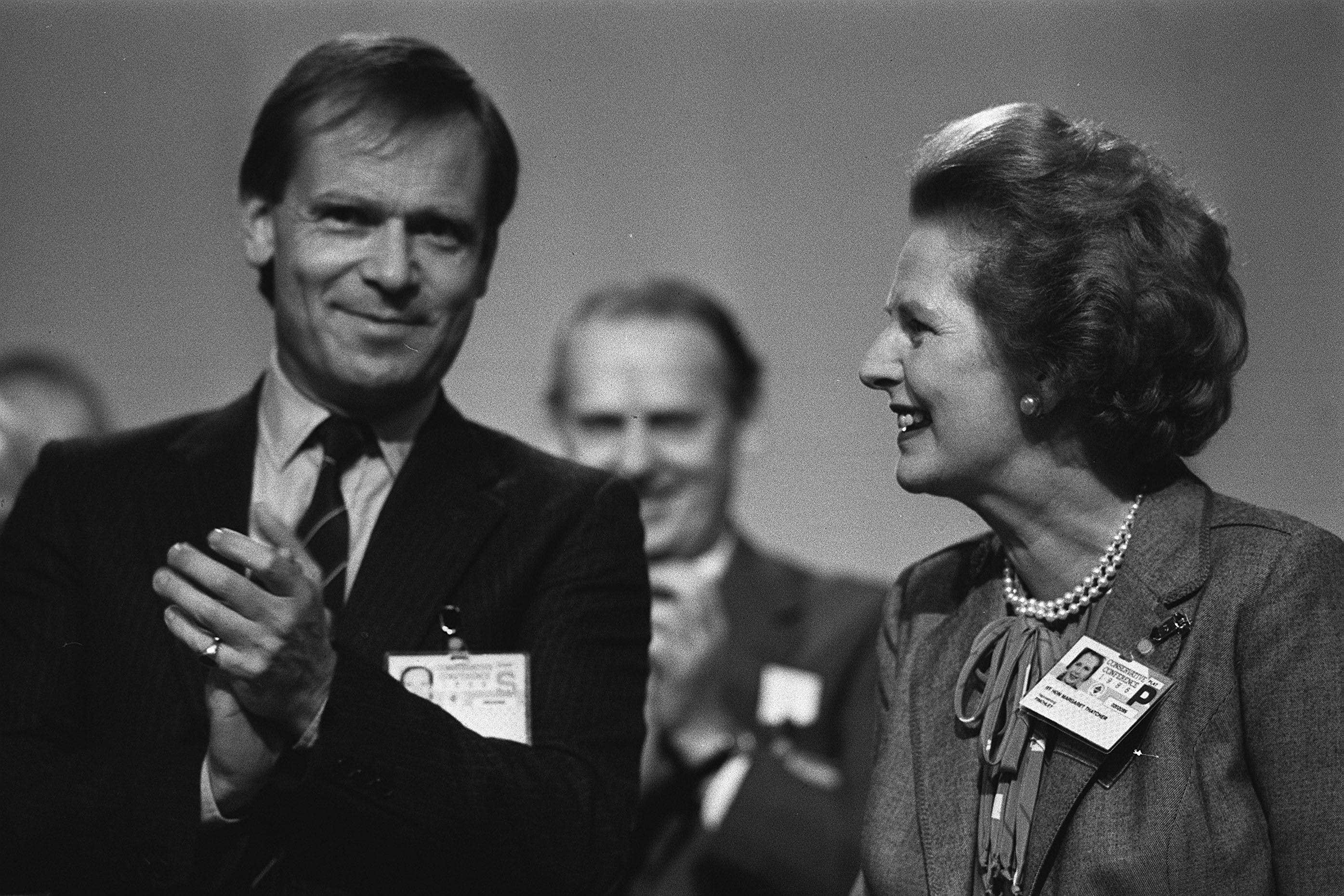
He remained an energetic, campaigning figure within the party. He was still as much in demand as a Tory speaker, nationwide, as even the prime ministers whom he served.
During the 1992 general election he became the Tory Party’s unofficial cheerleader. In the run-up to polling day he was never far from John Major’s side, warming up his audiences, giving advice and carrying his bags – in effect, doing his old job.
He was created a life peer in 1992, and was typically a brash and effective operator in the Upper Chamber. This was at least one of his many ambitions fulfilled.
But there was more scandal to come in 1994, involving the buying of shares in Anglia Television where his wife was a director. Days later the company announced a takeover bid and Archer sold the shares at a profit of £77,000. He denied insider trading and made claims which many seemed to think conflicting.
However, no action was recommended after an inquiry. And three years later he was told that the Department of Trade and Industry had decided there was no evidence to justify a new inquiry into the affair. Even so, it was another besmirching of his character.
In the following election in 1997, the year of Labour’s massive landslide victory, Archer was constantly warning about the effects Sir James Goldsmith’s Referendum Party would have on Tory fortunes. In the event, Labour’s triumph was so overwhelming that the impact of the Referendum Party on the outcome was virtually non-existent.
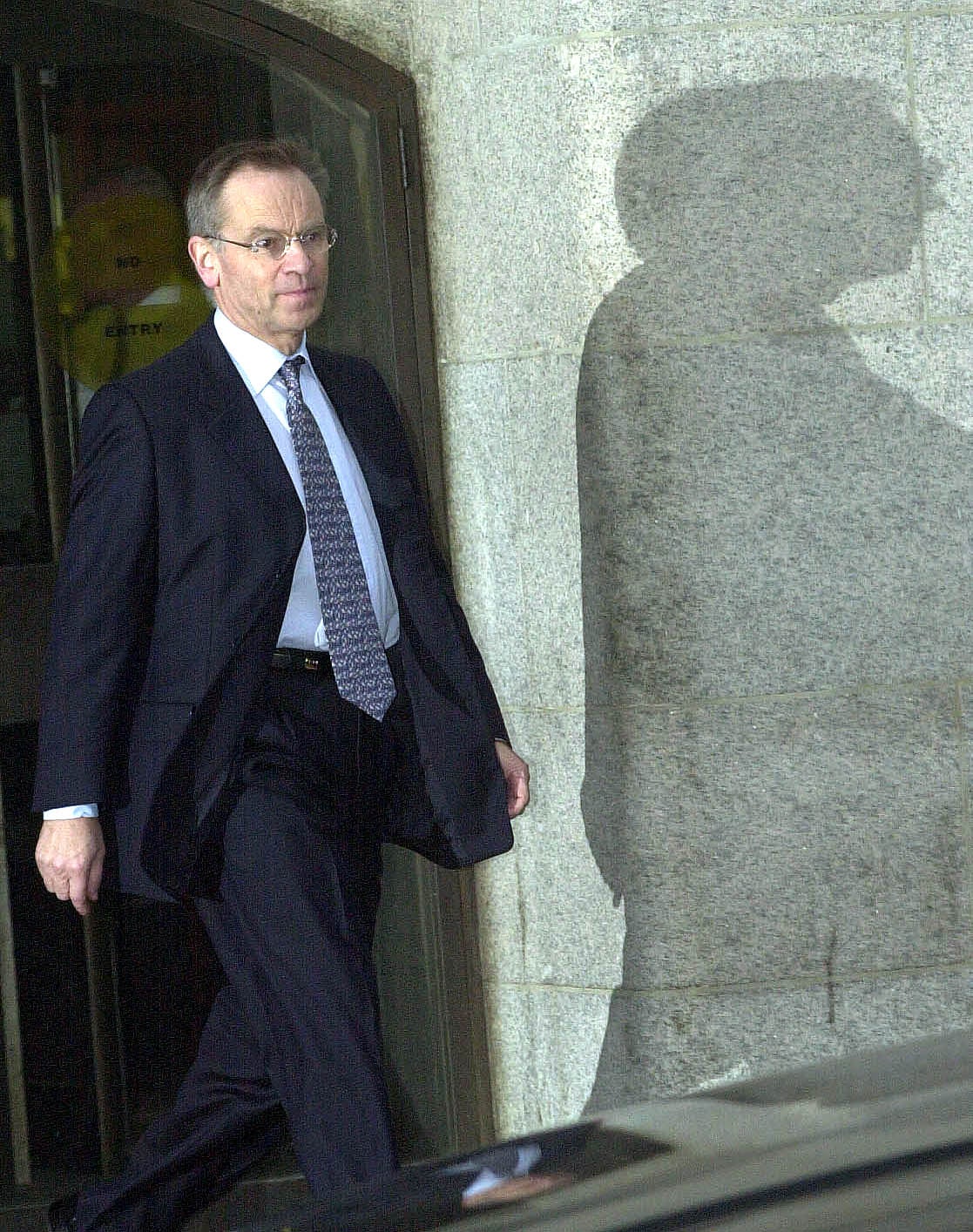
However, many (not least himself) would have liked to have seen him as the Tory Party chairman during that disastrous campaign. Brian Mawhinney was ineffectual and unpopular and it was widely believed that Archer, with his massive enthusiasm and organisational skills would at least have reduced the calamitous scale of the Conservative Party’s rout.
But even the scale of that defeat did not – as it did many other Tory politicians – temper his frenetic political activities. He was made of sterner stuff.
Soon he was campaigning with characteristic vigour for the mayoralty of London – but some eyebrows were raised among Tory grandees about the suitability of Lord Archer as the Conservatives’ official candidate for this new, powerful and very high-profile role.
Undaunted by this and also by a smear campaign which was running against him, Lord Archer vowed that if elected he would clean up London and restore free milk to schoolchildren.
He had spent nearly two years travelling the globe, meeting other mayors – an odyssey which impressed the party leadership.
But there was still a nagging feeling that although he was easily the best cheerleader the Tories had, his unpredictable style was likely to land the party and himself in more embarrassment and trouble.
But he ran out an easy winner as the Tory candidate, gaining the backing of William Hague, the party leader and, even more importantly, that of Baroness Thatcher.
His supporters always said that his very charisma and enthusiasm would have more than compensated for the risks he might have posed.
The new job of being mayor of London was something Archer highly prized, especially as a man who had been rejected so often in the past because of what was becoming known as his colourful political career.
But this, too, ended in tears. A new scandal forced him to quit the candidacy for mayor and he was subsequently expelled from the party for five years.
Just as the London mayor campaign was getting under way, a newspaper claimed that shortly before the 1987 libel trial involving the Daily Star, he had asked an old friend, Ted Francis, to provide a false alibi for the night which Archer allegedly spent with Monica Coghlan – something which he always denied.
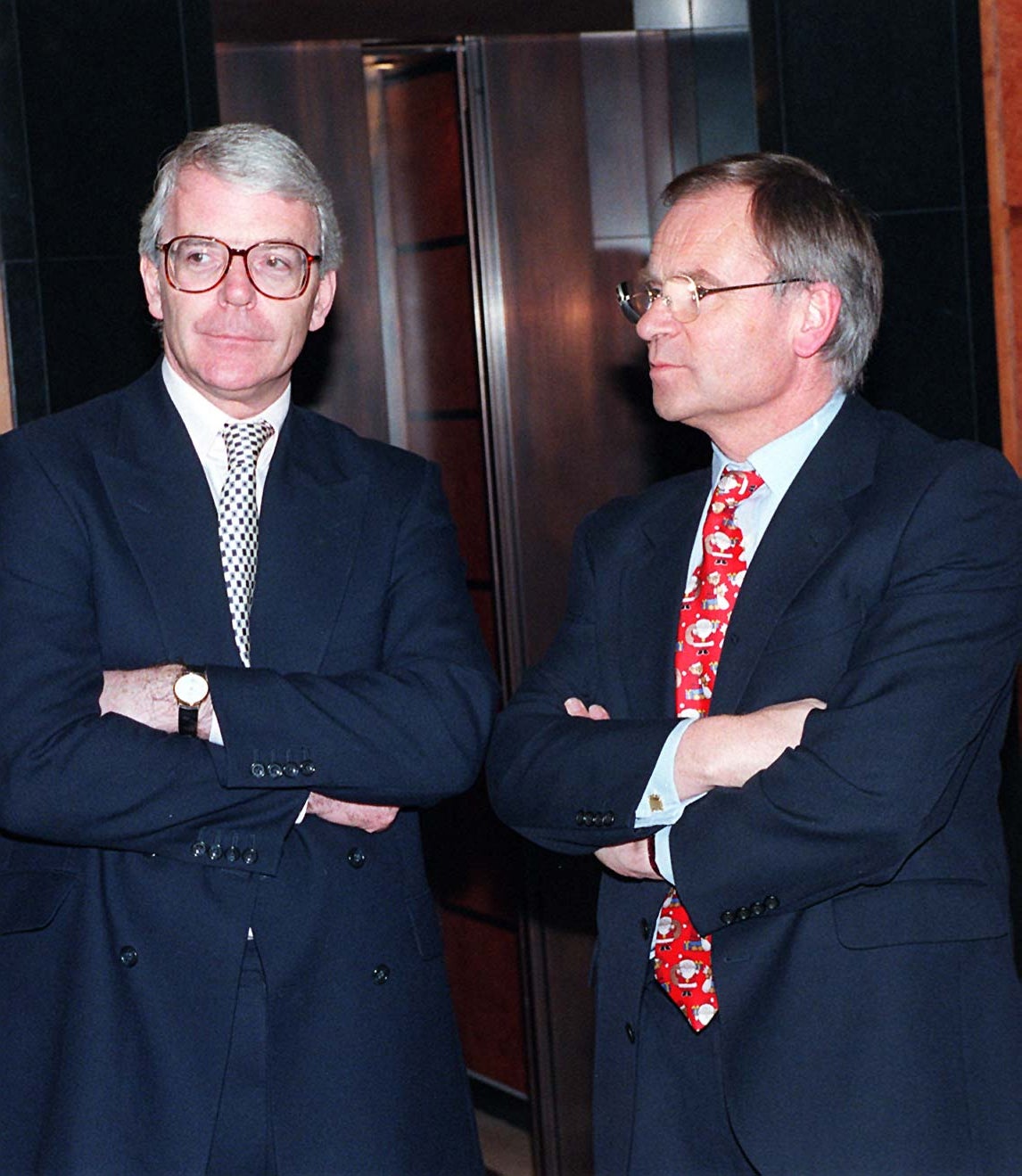
The alibi was never used in the suit, which ended with Archer winning £500,000 damages plus £700,000 costs, which the paper, in 2000 was trying to recover, plus the interest. By then it would have been worth about £3 million.
But late in September 2000, Archer was charged with two counts of perjury, two counts of perverting the course of justice and one of falsifying documents. Archer was convicted, but Francis, his friend, whom Archer had allegedly asked to lie for him, was acquitted on one count of perverting the course of justice.
While serving his four-year sentence, Archer continued to write frenetically. He was also photographed umpiring prison cricket matches, and towards the end of his sentence was given an “outside” job helping behind the scenes at the Lincoln Theatre Royal.
But that job soon collapsed when he was found to have attended a drinks party at the home of Tory MP Gillian Shephard, in breach of the conditions of his weekend pass.
He was finally released on parole on July 21 2003, after serving two years and two days of his sentence. He decided, for the purposes of his probationary period, to make his home his penthouse flat in central London rather than his Cambridgeshire family home.
Within two months of his release, Archer delivered his first public speech since his freedom, addressing the Howard League of Penal Reform, with some recommendations on changes in the prison regime. But he insisted he was not a prison reformer.
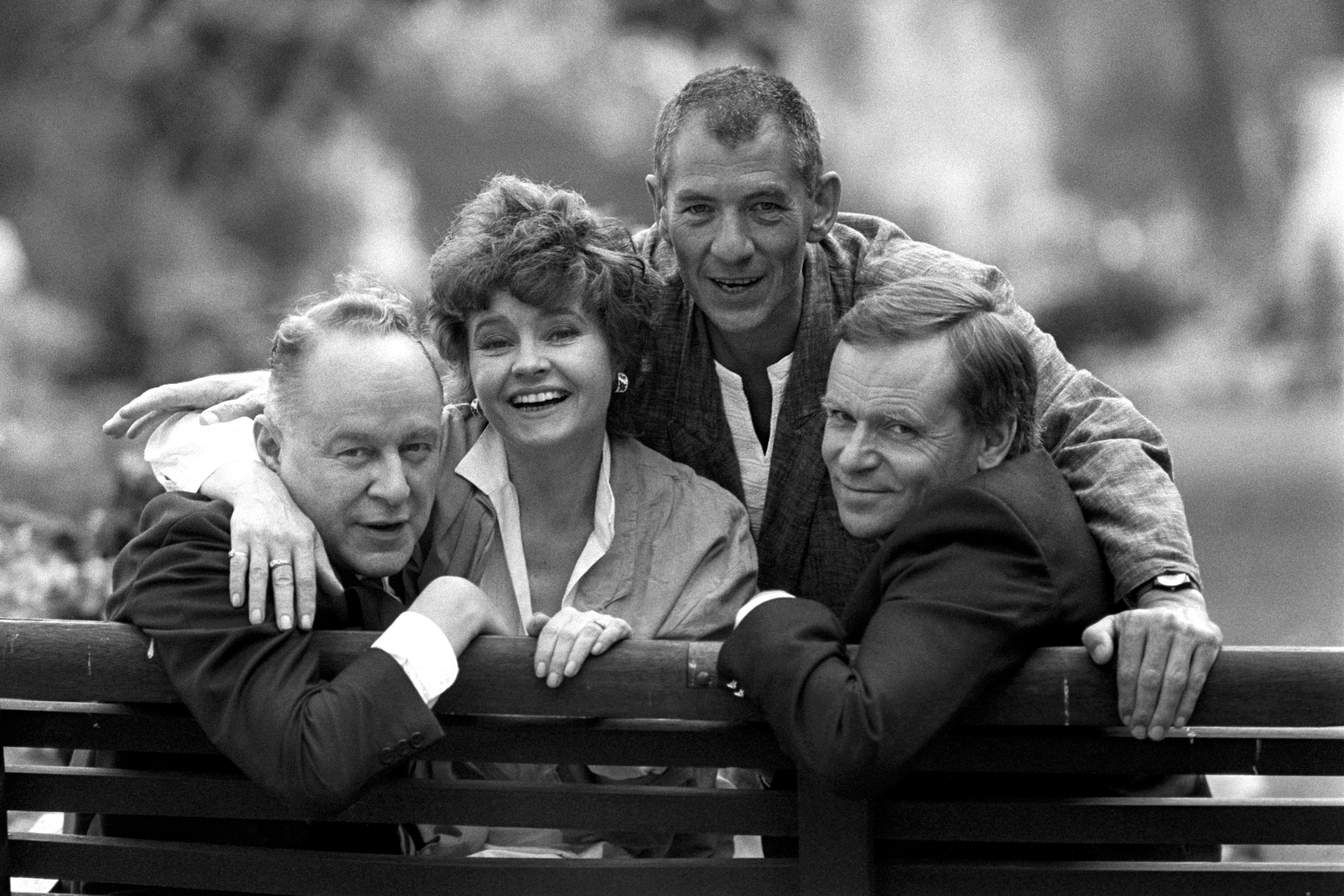
By coincidence, the day on which Archer was charged he made his stage debut at Windsor in a courtroom drama he wrote himself called The Accused in which the audience were asked to determine whether he was guilty of murder or not.
But after a reasonably successful provincial run, the play flopped in the West End. It was playing to half-empty houses in the Haymarket Theatre before a decision was taken to cut the run short in January, 2001.
He had earlier made a successful debut as a playwright with Beyond Reasonable Doubt in 1987.
Not content with writing for the stage, he then decided to own one. He paid £1.2 million for a majority stake in London’s Playhouse Theatre in 1988, selling it four years later for £2.4 million.
In 2023, it was announced that Archer’s Kane and Abel book trilogy was to be adapted for television as a major new series by the producers of Sex Education.
Earlier this year, Archer was announced as a speaker for the Queen’s Reading Room festival at Chatsworth in Derbyshire.
Archer’s involvement with charity work extended from persuading the Beatles to help raise money for Oxfam while he was still at Oxford to his promotion of the Simple Truth concert, which was seen by more than 200 million people around the world and allegedly raised millions for Kurdish refugees following the Gulf War.
Archer remained in the House of Lords until his retirement in 2024.
Archer’s last book, Adam and Eve, is described by Harper Collins as “a breathtaking epic of courage, sacrifice and love forged in Britain’s darkest hour”.
When asked why he decided it would be his last book, he told the BBC in recent days on a visit to his former school: “I think everybody would like to run their last 100 metres at the Olympics and win the gold medal. I think the clever thing about life is to know when to get out.”
He married his wife, Mary, a professor of biochemistry at Imperial College, London, in 1966. She stood by him through all his trials and tribulations. The couple lived in Grantchester, Cambridgeshire, made famous by poet Rupert Brooke. They had two sons.
KioskNews shows a cleaned-up reading view extracted from the publisher’s page — the original always lives on their site, not ours.