Mapped: Cost to rent a room across UK as average price hits record high
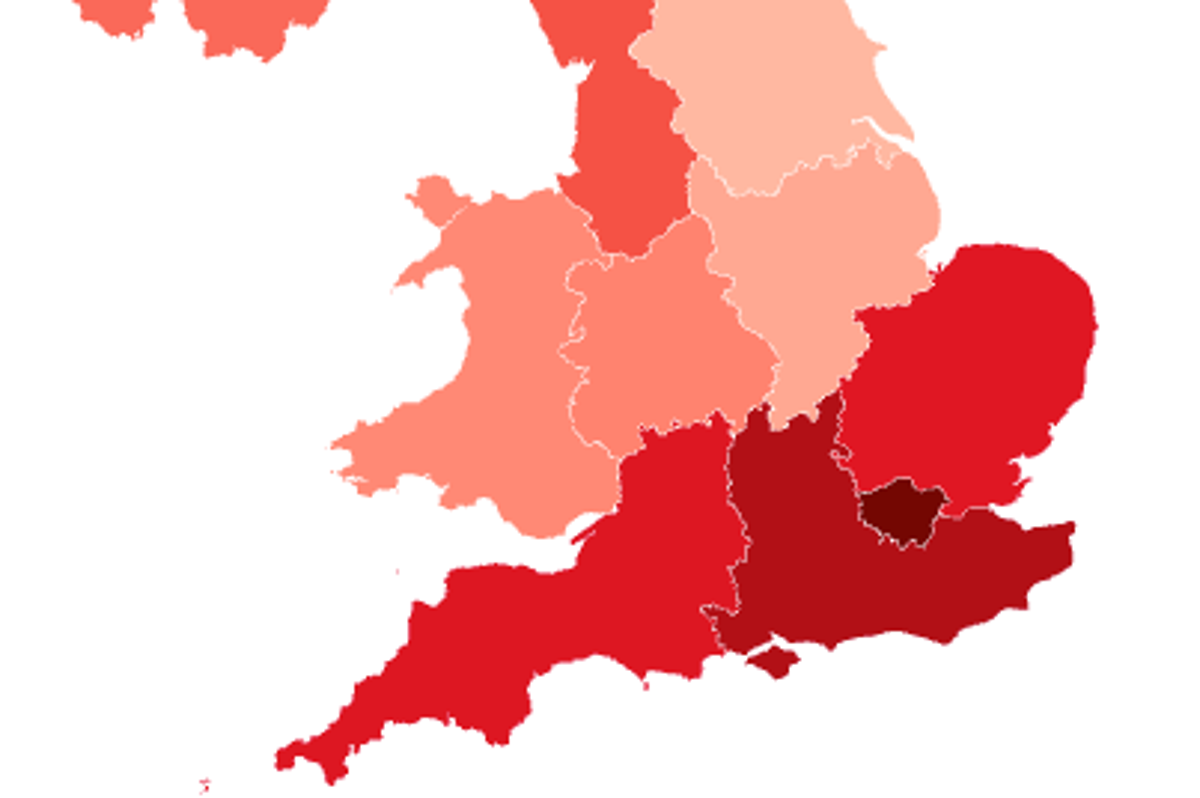
The cost of renting a room in the UK has hit a record high, new data has revealed, as the average monthly price in central London surpasses £1,000.
Renting a single room now costs £769 a month on average, according to the figures from SpareRoom.
The renting portal analysed more than 100,000 room ads on its platform to draw the findings. It found the price of renting a single room in inner London is now £1,002, almost matching a previous record of £1,003 seen at the end of 2023 before rents began to decline slightly. Across the whole of London, the average is £932.
The rising figures have also coincided with a reduction of availability in room rental supply, down 4.7 per cent in the quarter. This marks the first time in a year that availability has gone down, after increasing rapidly in the previous three quarters.
The increases mean that affording an average rental in Inner London now requires a salary of around £40,000, SpareRoom director Matt Hutchinson said.
He added: “That excludes many, including some essential and service workers, and young people starting their careers. Choked supply increases rents, so tumbling rental stock in the capital should concern everyone, as should the absence of any plan to improve the situation.”
While the spike in rental costs seen during the Covid pandemic has now started to ease, prices sit at a much higher level than pre-2021.
Mr Hutchinson pointed to the newly introduced Renters’ Rights Act as a leading cause of the recent price rises. He said while the policy was a “solid step” for tenant security, there needs to be a “second push to tackle affordability”.
“Supply is down because [the Act] has driven away landlords in England. Some feel the investment opportunity is no longer worth the effort of compliance,” Mr Hutchinson said.
“Rents are rising, not just because supply is down, but also because a knock-on effect of banning bidding wars is that asking rents are being set higher.”
Mairi MacRae, director of policy and campaigns at Shelter, said: “Renters have endured sky-high rents for years now, forced to spend huge chunks of their income just to keep a roof over their heads.
“With so few genuinely affordable social homes available and little to no regulation on private rents, landlords are free to keep increasing the rent, pushing their tenants onto a financial knife-edge. We know from our services that many are cutting back on essentials just to stay afloat.
“Regulating rents is commonplace across Europe, and if designed well, limiting rent increases would help take the pressure off renters. But for many, the private rental market will never deliver the secure, genuinely affordable homes they need. That's why the government must deliver a new generation of social rent homes.”
A housing ministry spokesperson said: “Our landmark Renters’ Rights Act is protecting tenants from excessive rent increases by limiting rent rises to once a year, giving tenants strong powers to challenge above-market increases and banning rental bidding wars.
“The private rented sector has doubled in size since the early 2000s, has remained broadly stable since 2013-14, and there is no evidence of an exodus since our reforms were announced.”
KioskNews shows a cleaned-up reading view extracted from the publisher’s page — the original always lives on their site, not ours.