Electric or shock: COP31 is having an electric moment

Already have Rappler+?
to listen to groundbreaking journalism.
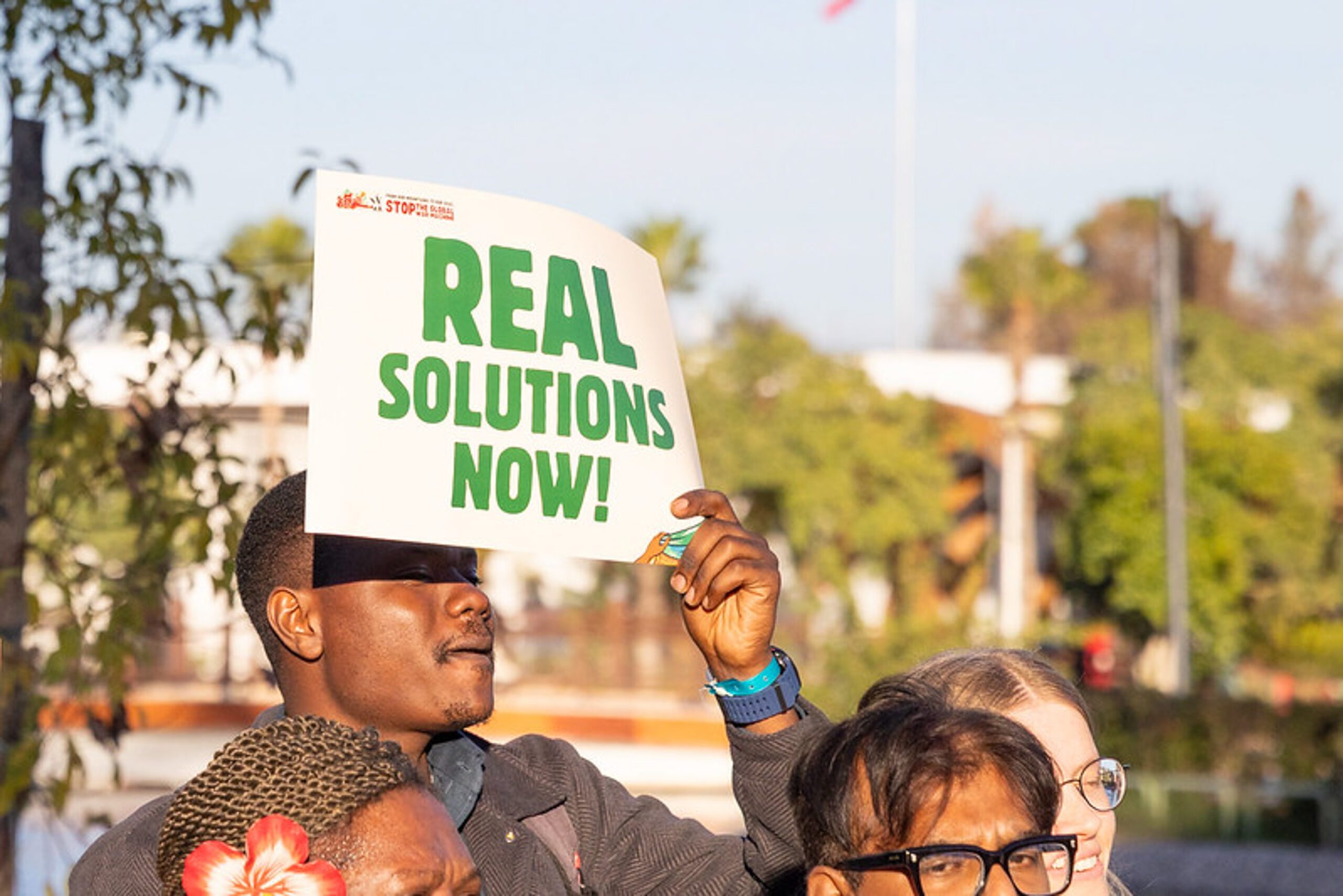
PROTEST. Members of civil society groups demonstrate near the venue of the COP31 in Turkiye on November 9, 2026.
Kubilay Ciftci/UNClimateChange
A key pledge at COP31 seeks to increase electricity’s share of total final energy consumption needs to 35% by 2035
AT A GLANCE
- The COP31 conference in Turkey aims to promote the 35x35 Global Electrification Pledge, increasing electricity's share of energy consumption from 23% in 2026 to 35% by 2035.
- Civil society groups and climate champions are urging governments to phase out fossil fuels, with a renewed focus on electrification due to rising energy costs from geopolitical conflicts.
- The Electrify Now Finance Coalition has been launched to support developing countries in building project pipelines and attracting investments for the energy transition.
This is AI-generated. Read the article for full context. Report any errors.
MANILA, Philippines – Surging energy costs due to the conflict in the Middle East have created momentum for clean energy transition and total phaseout of fossil fuels.
The presidency of the UN Climate Change Conference (COP31) in Antalya, Turkey, wants to set the global objective: the 35×35 Global Electrification Pledge, a collective ambition to increase electricity’s share of total final energy consumption needs from 23% in 2026 to 35% by 2035.
“Nations now face a choice: electric or shock,” UN Climate Change Executive Secretary Simon Stiell said during the first week of COP.
“Rewire the global economy for the electricity age,” said Stiell. “Or accept ongoing fossil fuel cost pain for families, firms, and national budgets.”
Meanwhile, civil society groups continue their call on governments and world leaders to phase out fossil fuels.
In the Philippines where the 49th ASEAN summit is happening simultaneously with COP31 in Turkey, climate groups are urging ASEAN leaders to raise the ambitions in their electrification agenda.
“Our region is on fire, and we have a moral responsibility to act now,” Bishop Gerry Alminaza, a Catholic Bishops’ Conference of the Philippines’ climate champion, said on Monday, November 16.
The International Renewable Energy Agency has estimated that renewable energy sources in the Philippines, Indonesia, and Thailand enabled savings of “around $5.7 billion in coal and gas purchases.”
A year since the disappointment in Brazil
Parallel to these electrification efforts is the call to phase out fossil fuels. At the COP30 in Brazil, there was strong opposition from oil-producing countries to include a fossil fuel phaseout roadmap in its final decision.
This was met by strong criticisms from many delegates and climate champions.
Things have changed since the United States and Israel attacked Iran, and the Strait of Hormuz was blocked. A global oil crisis has since caused economic shocks in most countries.
The impact has been felt by households. In the Philippines, demand for solar panels for their homes have gone up.
Now there is a renewed appreciation on Brazil’s roadmap.
“COP31 sent a clear signal: the days of coal, oil and gas are numbered,” said Bruce Douglas of the Global Renewables Alliance, in a statement on Sunday, November 15.
“Brazil’s roadmap for transitioning away from fossil fuels and growing support for electrification are building momentum to end that dependence.”
Brazil recently formally handed over its fossil fuel transition roadmap to the COP31 presidency.
“We must leave Antalya with a clear understanding of the next steps to advance this roadmap, and I encourage the current and future COP presidencies to carry this work forward,” said United Nations Secretary-General António Guterres during the turnover on November 11.
The agenda persists beyond COP31
Countries, development banks, and private finance firms recently launched the Electrify Now Finance Coalition. It will run until COP33 in 2028.
The World Bank Group and the African Development Bank co-chair the coalition.
“This coalition will help developing countries build strong project pipelines and attract the investment they need,” COP31 Presidency Murat Kurum said in a statement.
“This is how COP31 is starting a new era of electrification.” (READ: COP31 leaders try out new sales pitch for climate action: Do it for the economy)
Finance is a sticky topic during these climate summits. Climate targets of developing nations are reliant on external support.
Stiell has noted that the global energy transition is uneven “and many nations need much more support to get fully on board.”
KioskNews shows a cleaned-up reading view extracted from the publisher’s page — the original always lives on their site, not ours.