What's in the SEC's new NIL contract? Agents object to portal limits, clawbacks and school termination rights
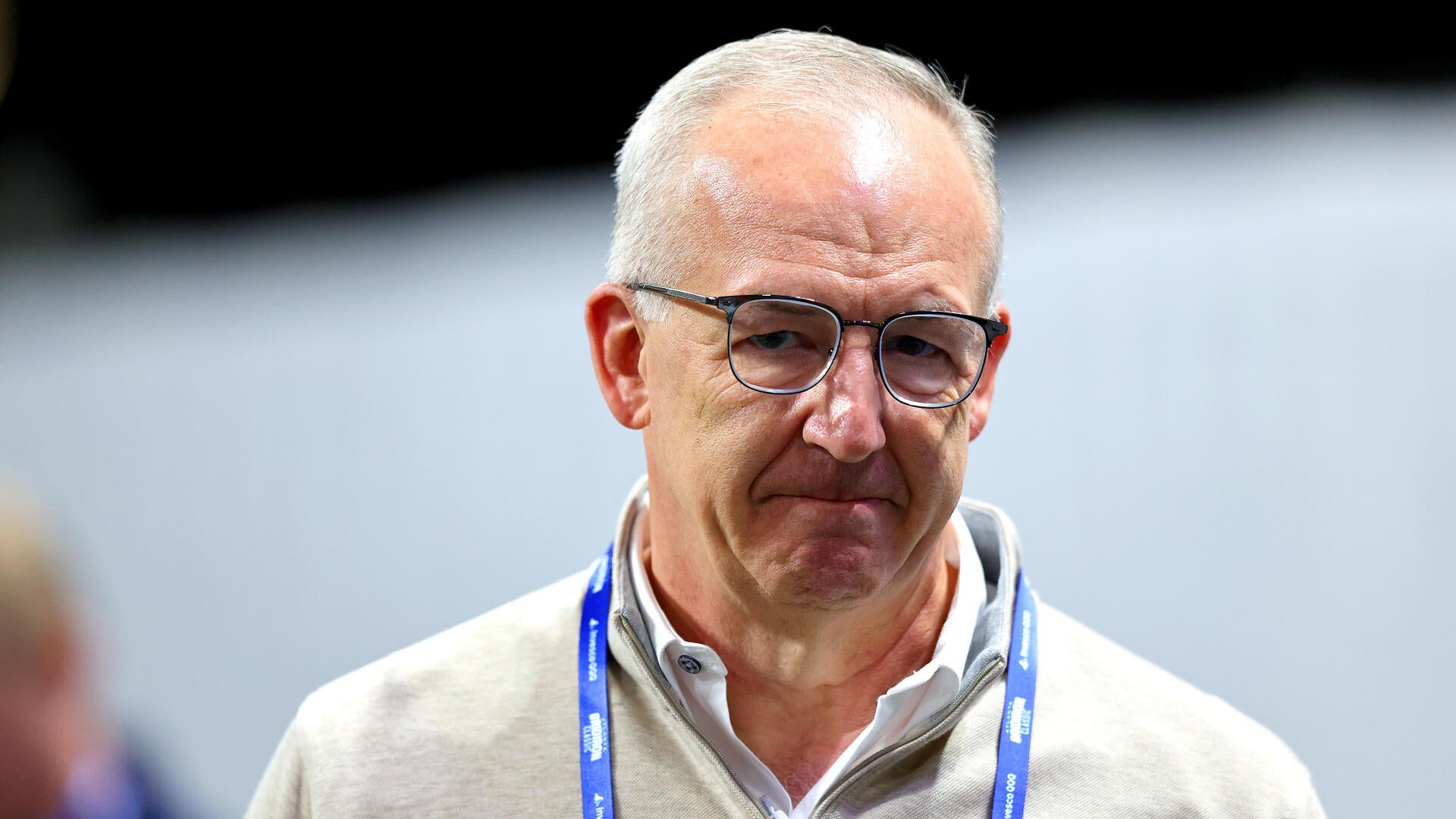
The SEC's new standardized NIL contract is drawing blunt opposition from agents, who cite portal restrictions, clawbacks and a 50% liquidated damages clause

• 2 min read
As contract negotiations heat up across college football, the SEC is rolling out newly adopted standardized name, image and likeness license agreements. The reaction from the agent community has been blunt. In conversations with several agents who represent double-digit SEC players, 247Sports found the new template described as "unconscionable."
"I'm not being dramatic," one agent said. "No coach would sign this with a school."
Said an SEC general manager: "This has been creating issues for weeks."
247Sports reviewed the agreement and spoke with more than a dozen agent, legal and front office sources. Here's what has them so concerned:
Communication limits
Athletes and their representatives can't speak with other schools during the contract term, and any contact must be reported to the school. A violation counts as a "material breach," as does an athlete appearing on a portal list an agent sends to other programs.
Portal language
Schools wouldn't be required to enter a player into the portal until after the team's final competition during the term, which appears to conflict with NCAA bylaws. Oregon law professor David Weber said a court would have to decide whether that provision holds up.
Steep penalties
The 50% liquidated damages clause is considered high-end. On a three-year, $10 million deal paying $2 million in Year 1, a player who leaves after one season would owe $4 million, twice what he earned. Signing bonuses also vest monthly, so unvested money could be clawed back on top of those damages.
Broad school powers
Section 3.3 lets a school reduce or withhold payments if an athlete's conduct "materially diminishes" the value of his NIL rights, with 10 days to cure. Illinois law professor Michael H. LeRoy compared it to the baseball contract struck down in an 1890 New York court case involving John Montgomery Ward. Section 6.22 would also give schools the right to terminate if a law like the Protect College Sports Act forces them over a spending cap and a new deal isn't reached within 10 days.
SEC schools, meanwhile, have been told they can't redline the standard contract without league approval, and even approved changes could take up to two weeks.
The practical fallout could be a chill on multi-year deals. Agents say players who expect to outperform their contracts have little incentive to sign long-term when schools have no obligation to renegotiate. 247Sports has already heard of several notable extensions on hold, and a fourth agent put it plainly: "The current SEC template we have -- we can't sign."
Inside the league, reviews are mixed. Front office officials universally called the contracts team-friendly, and some cheered the changes after an era in which agents held the leverage. Several said the most aggressive sections would never be enforced, a claim agents dismissed. Most worried about the timing, with the 2027 recruiting class, roster renegotiations and portal prep all in motion.
KioskNews shows a cleaned-up reading view extracted from the publisher’s page — the original always lives on their site, not ours.