BOJ's policy pivot opens scope for faster rate hikes
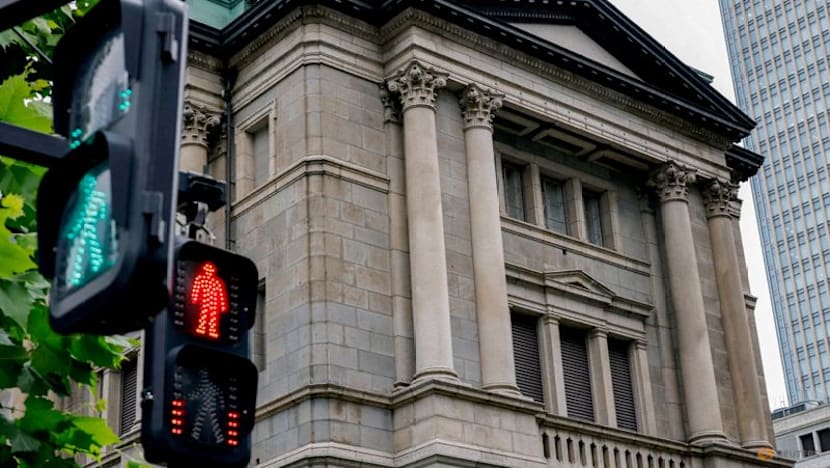
TOKYO, Sept 30 : The Bank of Japan expects interest rate increases to happen faster and more regularly in future as it pre-empts risks of an inflation overshoot, sources said, enhancing the importance of data due this week in gauging the timing of its next move.
Any sign of heightening corporate inflation expectations in Thursday's "Tankan" survey or broadening price pressures in Friday's inflation data will likely bolster the case for another rate hike either in October or December.
Some market players see chances of an October hike, with threats of intervention failing to lift the yen and putting the onus on the BOJ to underpin the currency with more aggressive monetary tightening. A weak yen pushes up import prices and the broader cost of living for households.
Having just raised rates, however, the BOJ will likely set a high hurdle for an October hike, which becomes an option only if external shocks boost risks of an inflation overshoot, said three sources familiar with its thinking.
"While inflation risks exist, there's no clear evidence now pointing to the chance of an abrupt, sharp spike in price growth," said one of them, a view echoed by another source.
BOJ Governor Kazuo Ueda too has said a back-to-back increase could come only if there was a risk of sharp price rises or if underlying inflation was already above the BOJ's 2 per cent target.
But he also stressed the central bank's readiness to act "pre-emptively" to avoid being forced to take extreme steps, a sign the BOJ will no longer spend an inordinate amount of time in between meetings to lift borrowing costs.
"Financial conditions remain accommodative, requiring the BOJ to hike steadily as needed," the first source said.
"With underlying inflation converging around 2 per cent, the BOJ probably feels the need to speed up a bit," said another source. The BOJ did not immediately respond to a request for comment. The sources spoke on condition of anonymity due to the sensitivity of the matter.
Former BOJ board member Makoto Sakurai, who retains close ties with incumbent policymakers, told Reuters he expects the central bank to raise its policy rate — now at 1.25 per cent — to 2 per cent by around June next year.
INFLATION EXPECTATIONS KEY
Ueda sat tight for a year after taking office in 2023 before exiting a decade-long stimulus. The BOJ then hiked rates once in 2024 and twice in 2025 under a cautious approach focused on downside economic risks.
It pivoted to an approach focused on fighting inflation in June, when it raised rates to 1.0 per cent as rising import costs heightened the chance of broad-based price rises.
The BOJ kept rates steady in July but stressed its alarm over mounting price pressures, previewing the hike in September.
With underlying inflation close to 2 per cent, the BOJ's policy has entered a "new phase" focusing on forestalling inflation risks, Ueda said this month, paving the way for speedier rate hikes.
He also said two "very important factors" convinced him that underlying inflation was nearing 2 per cent: rising long-term inflation expectations and steady wage gains.
Thursday's Tankan will show whether corporate inflation expectations could heighten from already record levels hit three months ago.
Core consumer inflation in Tokyo is likely to have hit 2.4 per cent in September, a Reuters poll showed, accelerating sharply from 1.8 per cent in August, in a sign of broadening price pressures.
The data will affect the BOJ's new quarterly forecasts due next month. In current forecasts, it expects nationwide core inflation to hit 2.5 per cent in fiscal 2026 and 2.4 per cent in fiscal 2027.
"The key would be how much the BOJ will revise up its fiscal 2027 inflation forecasts ... and how far it could push back the timing for when inflation peaks," said Mari Iwashita, executive rates strategist at Nomura Securities. "That will offer very important messages on the BOJ's rate-hike timing."
KioskNews shows a cleaned-up reading view extracted from the publisher’s page — the original always lives on their site, not ours.