UK’s Burnham vows to end culture of NDAs shielding rich and powerful abusers
Britain will introduce restrictions on legally binding confidentiality agreements from next year, according to a government statement, after concerns they are being used to silence victims of sexual and workplace harassment.
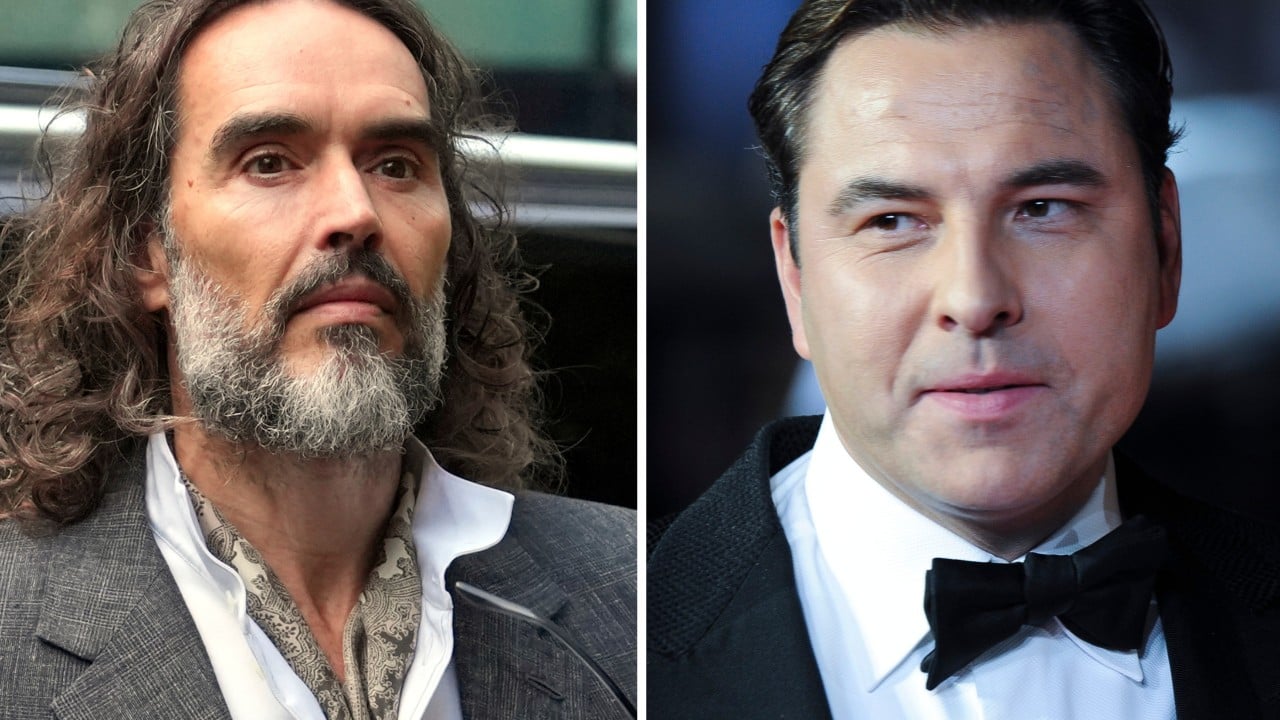
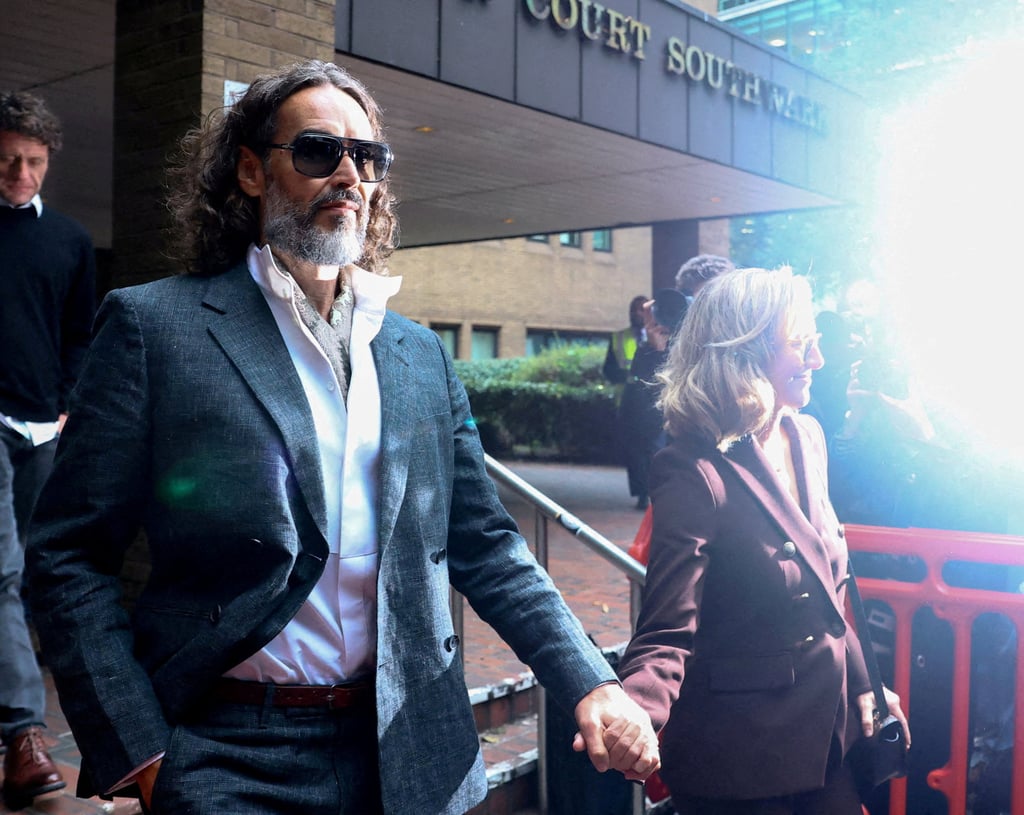
The planned changes come after the jailing of comedian and ex-Hollywood actor Russell Brand for rape and sexual assault reignited concerns about women’s ability to come forward with complaints against rich and powerful men.
The reforms will come into force from January under two pieces of legislation covering employment rights and victims and courts.
They will also see clauses in existing so-called non-disclosure agreements (NDAs) voided if they are used to silence workers over harassment or discrimination or to stop victims from reporting information about criminal conduct.
From January “strict limits on NDAs will mean victims of crime have complete freedom over who they speak to, even if they sign one”, a statement issued by Prime Minister Andy Burnham’s office said late on Tuesday.
“This could include the police, family, friends, victims’ services or even the media,” it added.
Women’s Minister Bridget Phillipson said the changes would mean women could no longer be “gagged if you’re a victim of crime”.
But she conceded the changes would “not cover freelancers or fans”. Brand was convicted of raping a fan. “We recognise that’s a gap” that the government would respond to, she said.
Brand was sentenced to more than 10 years in jail earlier this month.
In separate legal proceedings, children’s author David Walliams was initially able to block the publication of claims against him. Walliams has denied any wrongdoing.
Both Brand’s and Walliams’ cases have reignited conversation about how such agreements are used.
Writing in The Guardian, Burnham called for Brand’s conviction for rape to be a “watershed moment”.
The prime minister argued that powerful men should no longer be able to use their fame and wealth to get away with abuse.
“Too often, the powerful have been protected and the vulnerable exploited,” he said. “We need to get to a place where women and girls feel confident that if they report a crime, they will be treated with dignity and compassion and action will be taken.”

Burnham also signalled plans to extend protection to freelance employees and fans who experience abuse. Victims’ identities will remain protected if they so choose.
“NDAs should protect sensitive business information or commercial interests. They should not protect powerful men who have abused, harassed or discriminated against women,” Burnham added.
He also said the government would consider recent calls to introduce a staggered age of consent to prevent older people using their status to have sex with much younger partners.
Speaking after the announcement, campaigner Zelda Perkins, who breached an NDA to become a whistle-blower against Harvey Weinstein, said: “These promises have the potential to transform lives, help reshape how we treat one another as a society and uphold the integrity of a legal system that must never be used to protect perpetrators at the expense of victims.
“I am really keen to see how this develops and look forward to working with the government to make sure these protections go far enough, and genuinely cover everyone in society who needs them. These promises are hugely significant. Now we need to make sure they become reality.”
KioskNews shows a cleaned-up reading view extracted from the publisher’s page — the original always lives on their site, not ours.