Wildlife camera in Guatemala captures a once-in-a-decade snapshot
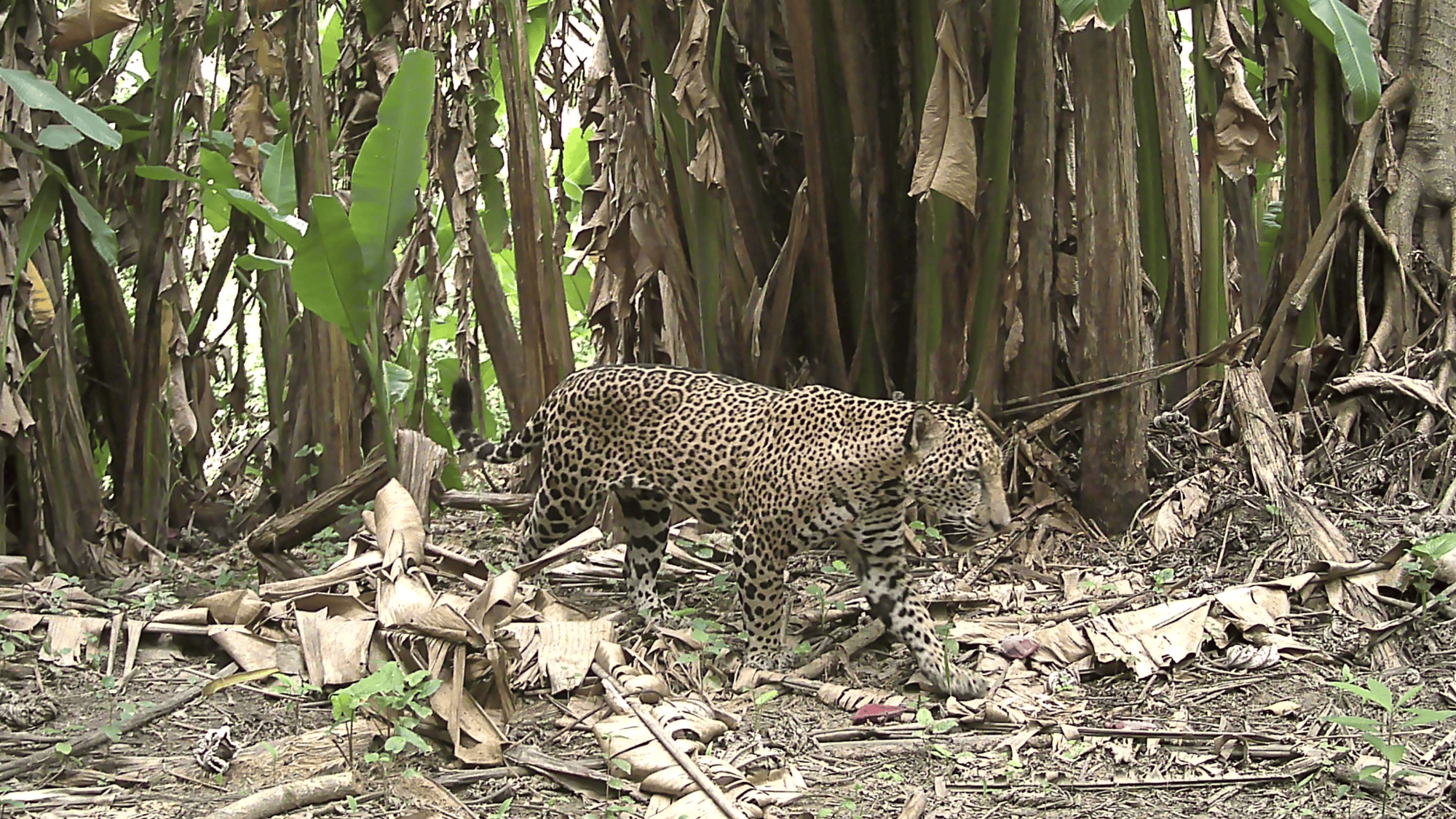
They say a picture is worth a thousand words. But these new camera trap photographs of a jaguar (Panthera onca) in Guatemala are worth even more, according to conservationists.
The camera trap photographs of a male jaguar indicate that jaguars are making use of a wildlife corridor connecting Guatemala and Honduras, proving that the important pathway continues to link jaguar populations in the face of human encroachment into their habitat. In other words, jaguars are still on the move, according to a statement sent to Popular Science.
“The camera trap images of the jaguars in both Honduras and Guatemala give us hope — showing that jaguars are still present, even in the midst of all the challenges and threats they face,” Allison Devlin and Franklin Castañeda, directors at the wild cat conservation organization Panthera, tell Popular Science.
Camera traps shots of jaguars are a “luxury treat” that only occurs once every decade, they explain.
“When it does occur, it brings so much motivation and hope to the teams on the ground (rangers) and in the office (techs and directors), proving that our efforts to keep connectivity are paying off, jaguars are indeed still moving across this land, and every action taken to protect this corridor has been worth it,” add Devlin and Castañeda.
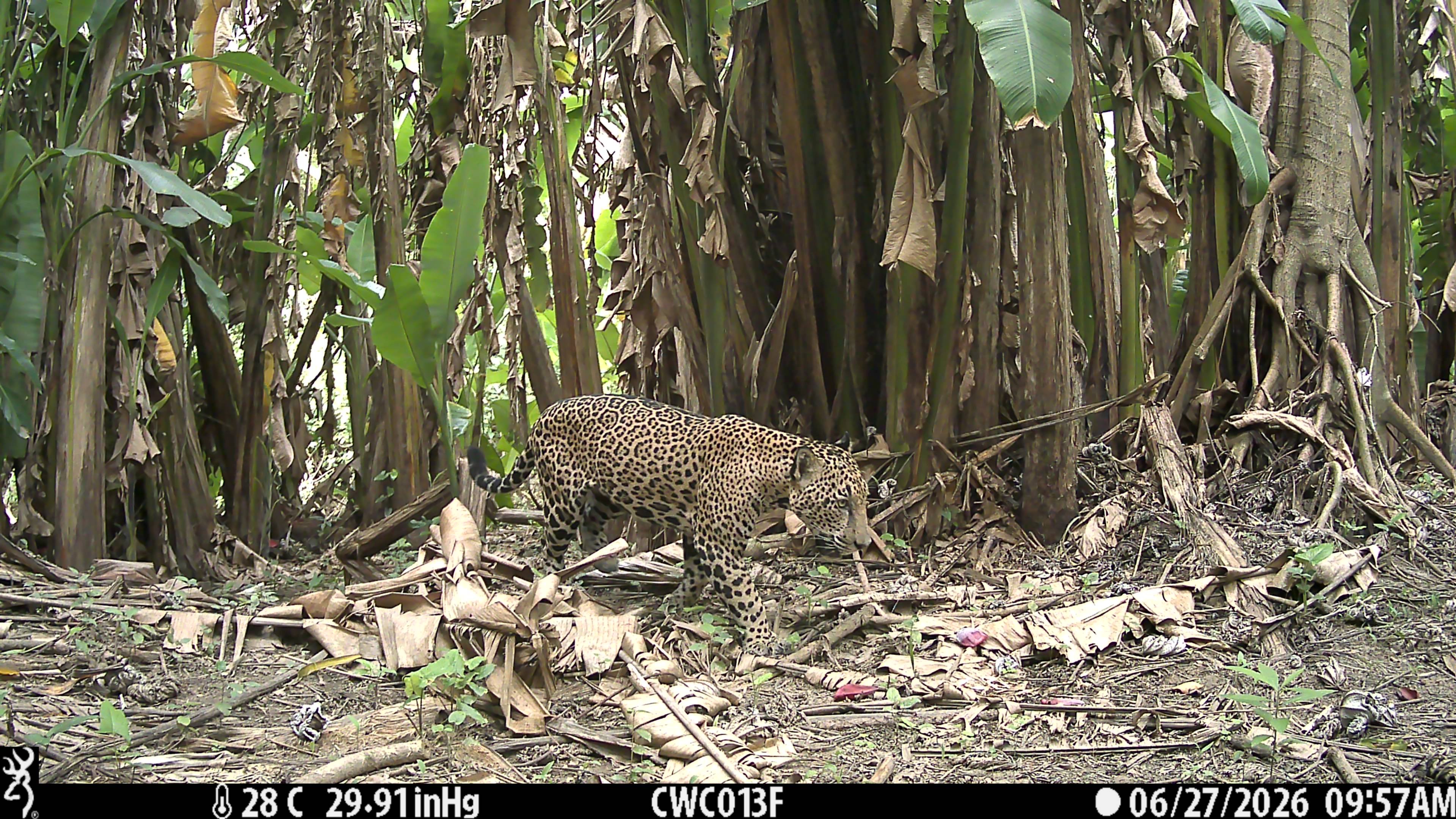
Officially called the Bi-National Corridor (BNC), the wildlife highway stretches across the border region between Guatemala and Honduras in Central America. It serves as a connection between core jaguar populations in Mexico, Belize, and Guatemala, and those in central and eastern Honduras. Connected regions protect jaguar populations from isolation, inbreeding, and becoming more vulnerable to extinction.
While the IUCN Red List classifies jaguars as Near Threatened, an estimated 89 percent of the population consists of a jaguar subpopulation in Amazonia (the world’s largest tropical rainforest, spanning 2.5 million square miles). Unsurprisingly, this subpopulation is recognized as a species of Least Concern. The 33 other populations are Endangered or Critically Endangered. Devlin and Castañeda point out that the jaguar populations in Honduras and Guatemala are classified as Endangered by their respective range.
“Besides the importance for jaguar connectivity, this area is the water source for over 200,000 people and hosts many endemic and IUCN Critically Endangered species of mammals, birds, amphibians, reptiles and plants,” say Devlin and Castañeda. “If we can work together to protect and connect this region, we can help ensure local people continue to benefit from the natural resources and that jaguars and other wildlife survive and thrive for generations to come.”
The recent camera trap snapshot also makes the current Guatemala’s National Jaguar Conservation Strategy even more pressing.
KioskNews shows a cleaned-up reading view extracted from the publisher’s page — the original always lives on their site, not ours.