Rokid launches ‘no man’s land’ retail experience with Hong Kong flagship store opening
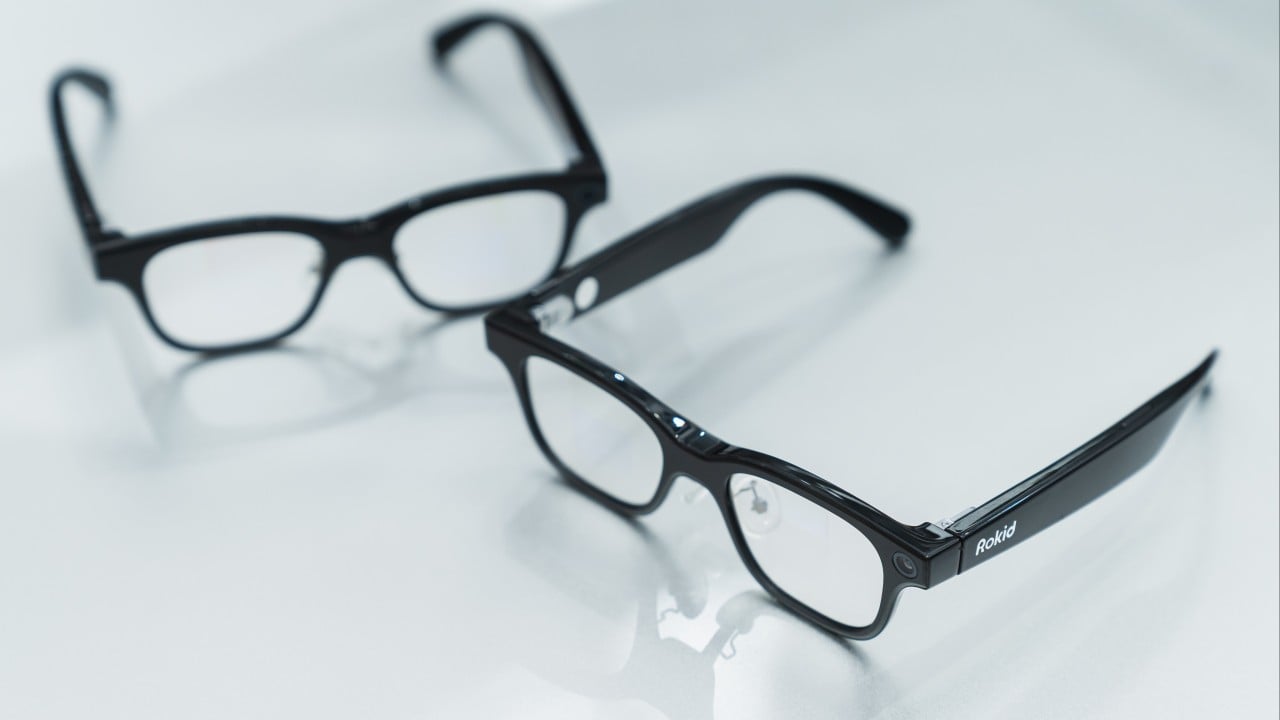
When shoppers step into Rokid’s brand new flagship store in Hong Kong, they are greeted not by eager sales associates, but by glowing monitor screens and a robotic system waiting at the exit.
In what the Chinese augmented reality (AR) gadget pioneer called an experiment in “no man’s land” retail, customers navigate the entire journey independently: testing artificial intelligence smart glasses, making payments on a screen and receiving their new devices directly from an automated system on their way out. No human salesperson was involved at any point.
The unstaffed venue, which opened on Thursday in the Harbour City shopping centre, was the first of its kind in the global smart-glasses sector, according to Zoro Shao, vice-president and head of international business at Rokid.
The company hoped the automated model would help it stand out from competitors as the company expanded internationally. During a trial period, the store sold five to six pairs of HK$4,688 (around US$599) wearables daily, far exceeding internal expectations, Shao said.
KioskNews shows a cleaned-up reading view extracted from the publisher’s page — the original always lives on their site, not ours.