Elon Musk praises Micron for ‘reasonable’ memory pricing
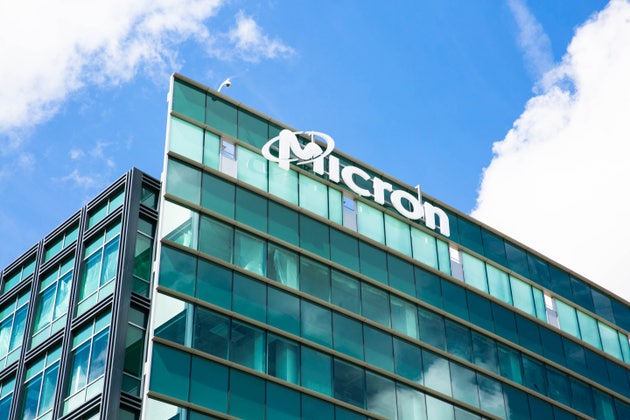
vzphotos/iStock Editorial via Getty Images
Tesla (TSLA) and SpaceX (SPCX) CEO Elon Musk praised Micron Technology (MU) for its approach to memory pricing, saying the company was prioritizing customer loyalty as AI-driven demand pushes chip prices higher.
“Micron has been reasonable regarding future memory prices, while others have been extortionate, which is something today’s customers won’t forget,” Musk wrote on X. “Micron is making is the smart move for long-term customer loyalty.”
Musk was responding to a post by Nicholas Mugalli, an institutional TMT research analyst, highlighting a bullish JPMorgan note on the memory and storage industry.
The note suggests that Micron had secured 26 long-term supply agreements covering more than 35% of its revenue through 2030, with $150B in remaining performance obligations, including $32B in customer cash already committed. More than 75% of Micron’s fiscal 2027 output has also been sold, according to the post.
JPMorgan noted that new agreements were being signed at elevated prices, potentially keeping Micron’s through-cycle gross-margin floor above previous cycle peaks, with a roughly 62% gross margin serving as a reference point. The bank also expects SanDisk (SNDK) and Korean memory vendors to announce progress on long-term agreements.
Musk’s xAI, now part of SpaceXAI, operates the Colossus and Colossus 2 AI data-center facilities near Memphis, Tennessee, which together provide about 1 gigawatt of computing power. Micron memory technology is used in Nvidia (NVDA) graphics processing units deployed in the facilities.
Musk has also previously named Micron, Samsung Electronics (SSNLF) and Taiwan Semiconductor Manufacturing Company (TSM) as existing suppliers while discussing plans for his Terafab chip project, although no direct deal between Micron and Musk’s companies has been announced.
Memory prices have surged as AI data centers increase demand for advanced chips. Micron, Samsung, and SK Hynix have prioritized high-bandwidth memory, which typically offers higher margins, tightening supplies of conventional DRAM used in servers, PCs, and smartphones. Prices for DRAM, NAND flash, and HBM rose 80% to 90% in the first quarter of 2026 from the previous quarter, according to Counterpoint Research.
KioskNews shows a cleaned-up reading view extracted from the publisher’s page — the original always lives on their site, not ours.