6 Best Superhero Movies That Are Secretly Westerns, Ranked

Senior Music Editor at Screen Rant, Sarah's love of sound and story drive the beat. A globetrotting brand whisperer and award-winning journalist, she’s built cross-cultural narratives around the world—but music has always been her true north. She launched DJ Mag North America, successfully introducing the iconic UK brand to the U.S. market. Previously, she carved a space for EDM inside the pages of VIBE, blending electronic and hip-hop culture long before it was trendy.
Long before superheroes saved the world every other summer, Hollywood knew how to threaten a town: send in a stranger with a dangerous reputation. He might be running from his past or seeking redemption, but sooner or later someone would demand that he draw. The odds rarely favored the other guy.
Replace the horse with a motorcycle, the six-shooter with a pair of metal claws, or the dusty main street with an alien settlement, and suddenly that sounds like a superhero movie. The connection runs deeper than the costumes. Both genres are fascinated by people who operate outside the law yet insist on deciding what justice should look like.
Some superhero films draw on the moral uncertainty of revisionist Western movies. Others borrow familiar frontier pleasures: unruly settlements, unlikely posses, dangerous outlaws, and the promise of a decisive showdown. Even the best modern superhero movies sometimes owe as much to John Wayne as their advertising suggests.
The trick is separating a Western-looking scene from a movie built around Western storytelling. A desert backdrop alone doesn't qualify. These films use frontier justice, revenge, or wandering outsiders to shape their characters and conflicts. They're ranked by the strength of that connection, the films' overall quality, and how successfully the genres work together.
6 Ghost Rider (2007)
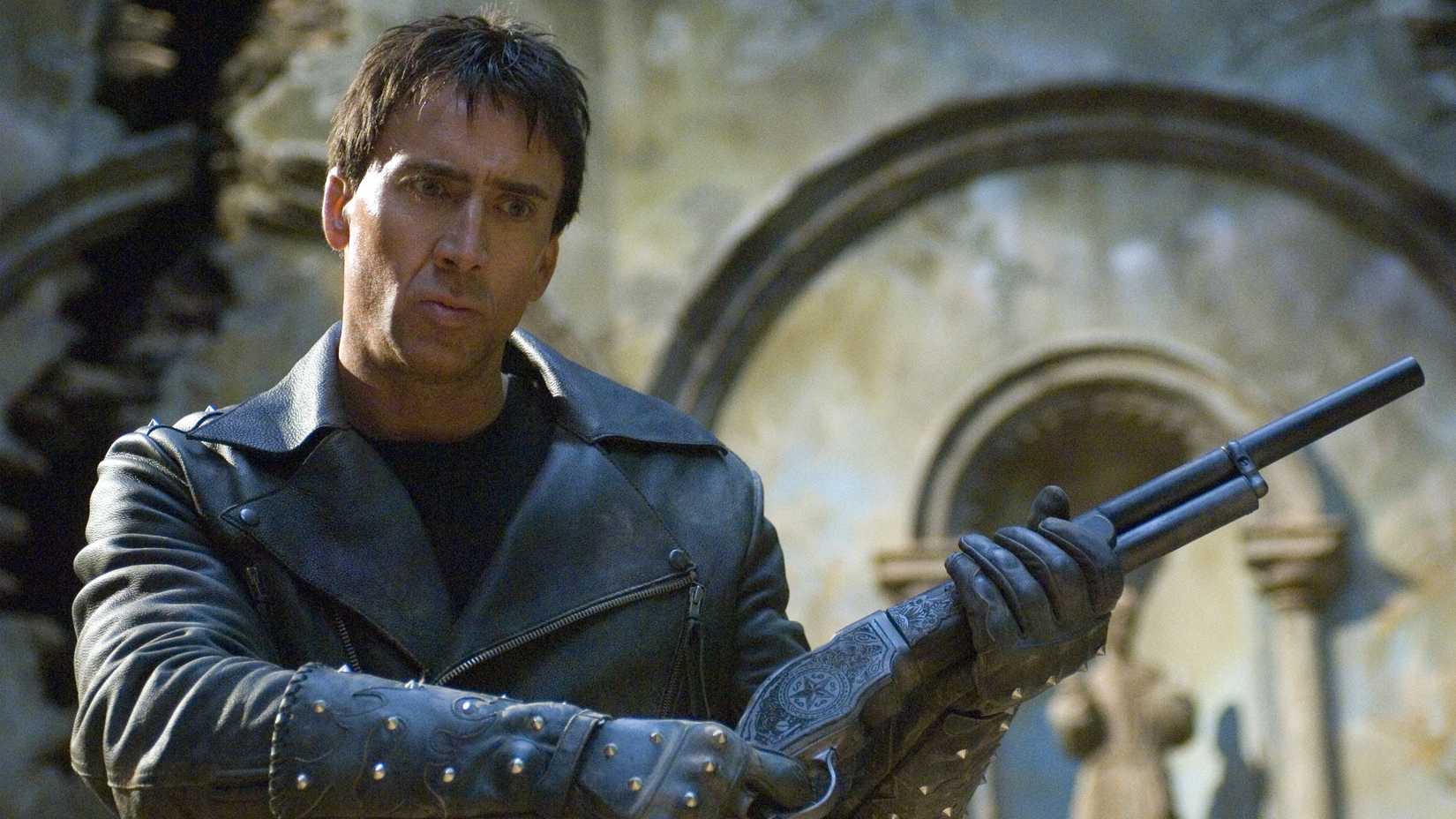
A motorcycle is a perfectly reasonable replacement for a horse, particularly when both are on fire. Nicolas Cage's Johnny Blaze might be a stunt rider who becomes a supernatural bounty hunter, but he behaves like a doomed gunslinger. He's bound by an old bargain, forced to pursue dangerous men, and rarely welcomed wherever his work takes him.
The connection becomes literal when Sam Elliott arrives. His cemetery caretaker is Carter Slade, an earlier Ghost Rider from the Old West. The film gives us a terrific image: two flaming riders crossing the desert, one on horseback and the other on a motorcycle. Director Mark Steven Johnson has even called it a monster Western.
Unfortunately, Ghost Rider works better as pulpy imagery than as a movie. Its demons and broad humor clash, while Johnny's romance interrupts the momentum. Still, the premise is irresistible: the Man with No Name has become the Man with No Face. At least, none that isn't on fire.
5 Thor (2011)
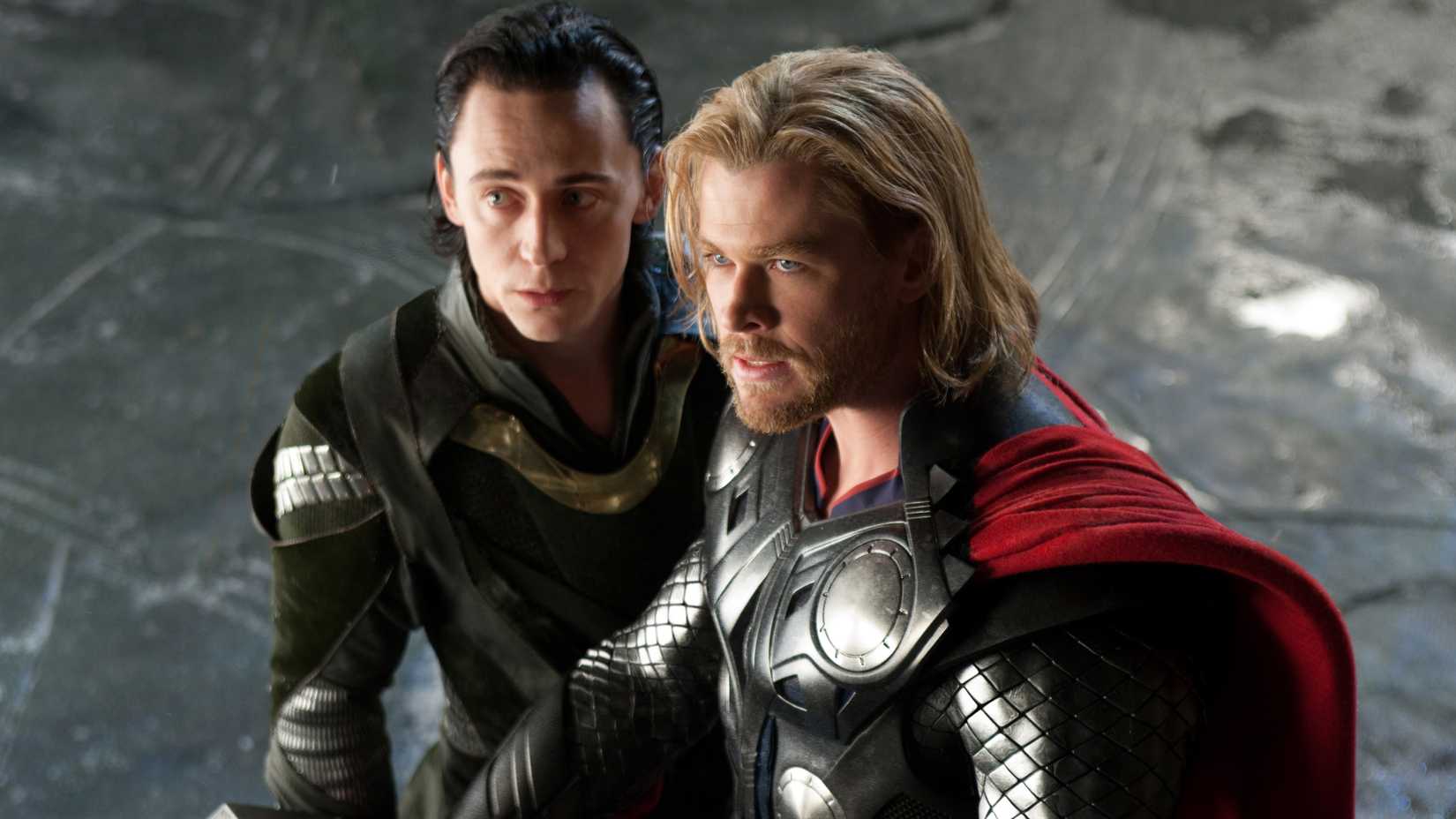
Kenneth Branagh's first Thor movie spends much of its running time amid the royal rivalries of Asgard, but its Earthbound scenes resemble a Western with a mythological stranger riding into town. Banished to New Mexico without his powers, Thor arrives with an enormous ego and very little understanding of the people he's supposed to protect.
The desert helps, but the real giveaway is the climax. The Destroyer marches down a small town's main street as locals scramble for safety. Thor steps forward, choosing danger rather than letting innocent people suffer. It's an old-fashioned Western showdown, except one combatant is a giant Asgardian machine.
The traditional gunslinger already knows how to fight. Thor must learn why he should. His sacrifice restores his worthiness, making the victory feel earned. The movie remains more Shakespearean family drama than frontier epic, explaining its lower placement, but its best Earthbound sequence could almost end with a sheriff sweeping up a ruined saloon.
4 The Wolverine (2013)
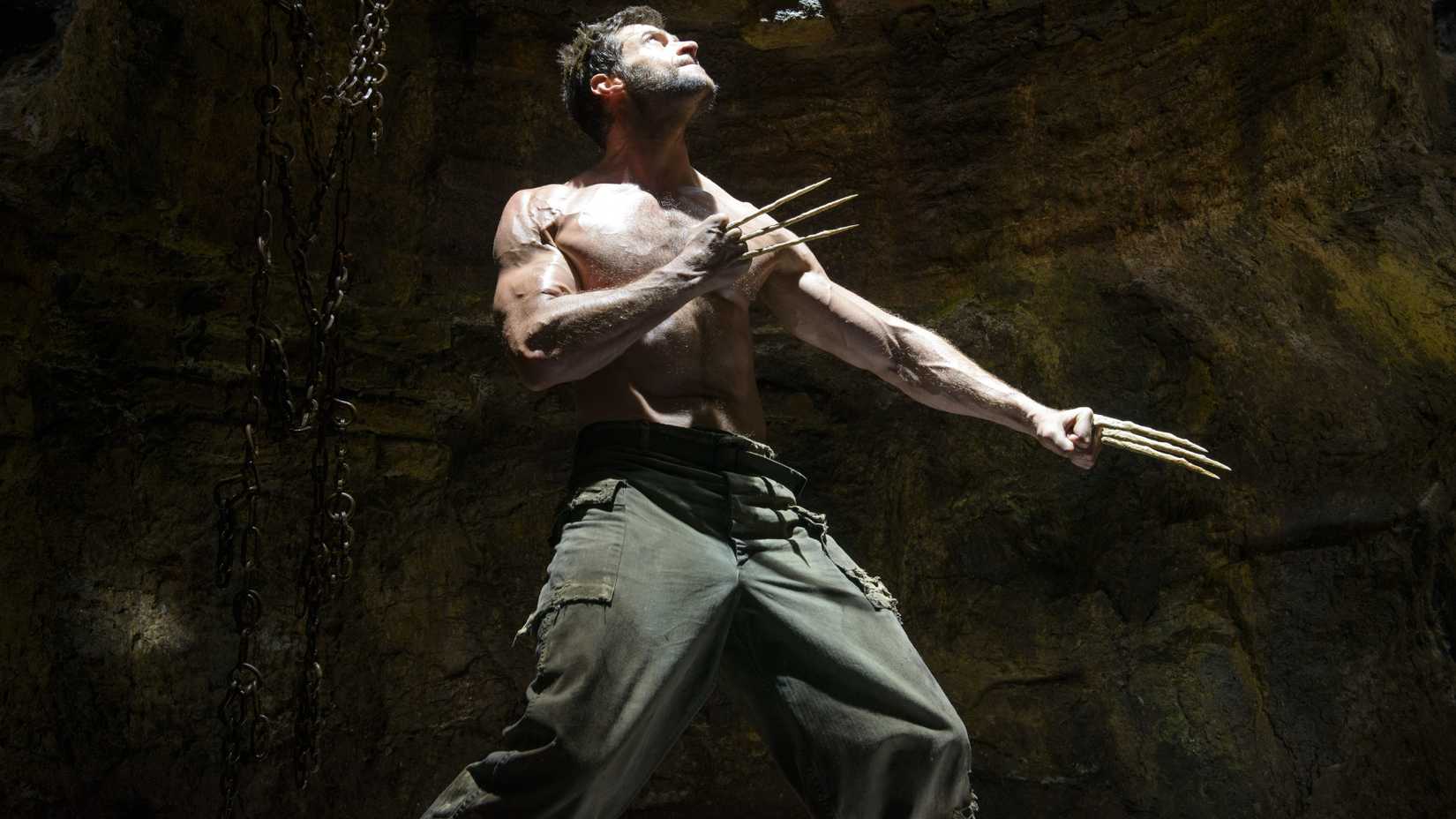
James Mangold was thinking about Westerns before he made Logan. His earlier film, The Wolverine, sends Hugh Jackman's immortal fighter to Japan, where he becomes entangled in a powerful family's conflicts and finds himself protecting Mariko (Tao Okamoto) from people who see her as an obstacle.
Samurai cinema has long exchanged ideas with American Westerns, and Mangold explicitly cited Shane and Clint Eastwood's The Outlaw Josey Wales among his inspirations. Wolverine is the wandering outsider who wants to be left alone; Mariko's danger forces him to choose a side. Their escape becomes a reluctant protector story.
That foundation gives The Wolverine more character than its climactic Silver Samurai spectacle suggests. Jackman shines when Logan's healing ability feels like a burden instead of an excuse for invincibility. The hero wants to walk away from violence, but the world won't let him. Mangold would revisit that dilemma four years later, to even greater effect.
3 Supergirl (2026)

Supergirl trades Earth's cities for a lawless interplanetary frontier, but its story could work with horses and revolvers. Milly Alcock's Kara Zor-El is a disillusioned wanderer who prefers drinking away her problems. Then Ruthye (Eve Ridley), a girl determined to avenge her murdered father, draws her into pursuing the outlaw responsible.
The resemblance to True Grit is unmistakable. Ruthye relentlessly seeks justice, while Kara is the dangerous, reluctant companion who knows the world's cruelty. Seedy alien bars replace saloons; distant planets become rough settlements where nobody seems eager to enforce the law. This is a Western revenge plot in science-fiction clothing.
Kara's powers don't grant her moral certainty. Grief over Krypton has left her angry, exhausted, and occasionally difficult to like. The film is uneven, but its central relationship recalls a frontier story in which the adult needs guidance almost as badly as the child. Few recent superhero movies embrace the Western so openly.
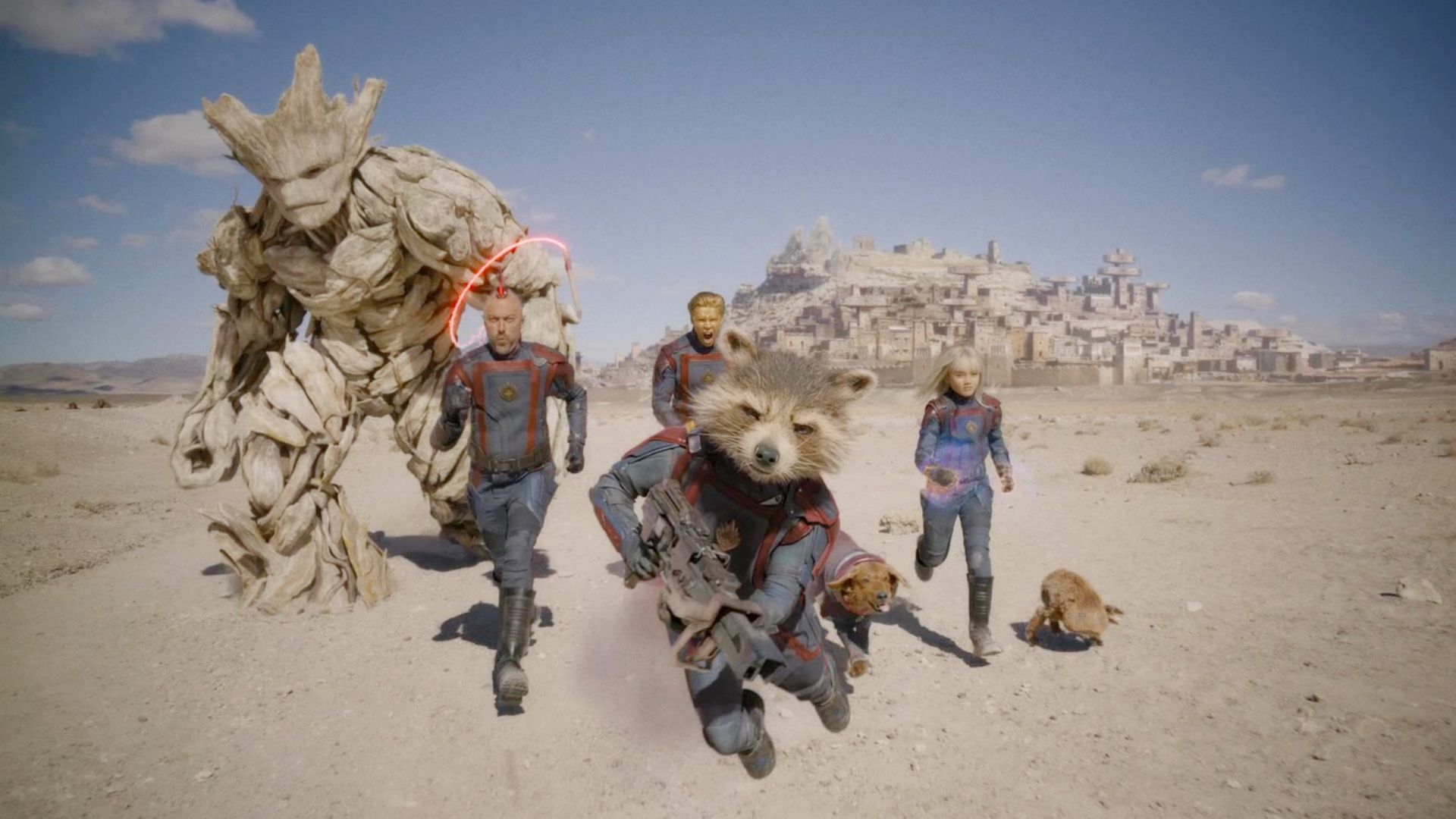
2 Guardians Of The Galaxy (2014)

Peter Quill would introduce himself as a famous space gunslinger if it impressed somebody. In James Gunn's Guardians of the Galaxy, Star-Lord steals a valuable orb and attracts people who want the prize, the bounty on his head, or both. The galaxy is vast, but law and order have struggled to keep up.
That's a Western setting, even if the outlaws are aliens and one posse member is a talking raccoon. The Ravagers operate like bandits, Quill thinks like a lovable thief, and the Guardians begin as criminals and loners with reasons to distrust one another. Their uneasy alliance becomes a family when they defend people who can't defend themselves.
Gunn's advantage is that he never treats these ingredients as homework. The jokes arise naturally from the characters, and their mismatched abilities make the action thrilling. Later Marvel sequels would develop this unlikely family further. Yet the original remains an exceptionally entertaining example of the space Western as a blockbuster.
1 Logan (2017)

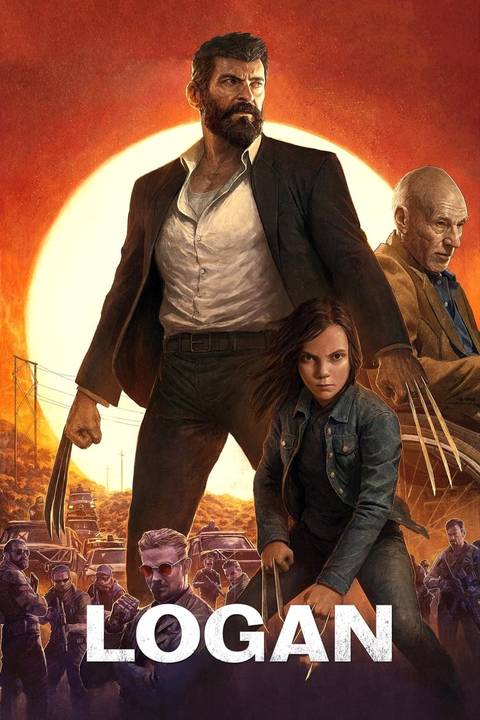
The last gunslinger doesn't necessarily carry a gun. Sometimes he drives a limousine near the Mexican border and wishes his hands had never become weapons. James Mangold's Logan finds Hugh Jackman's Wolverine older, sick, and out of patience with the world. Then Laura (Dafne Keen) arrives, forcing him to protect someone again.
Everything feels like a revisionist Western. Its roads cut through an exhausted America, institutions have failed the vulnerable, and violence has left scars no healing can erase. Logan wants to get one child beyond the reach of men who see her as property. It's a frontier mission undertaken by a man who no longer believes in heroes.
Mangold makes the connection explicit by including scenes from the 1953 Western Shane. The old film's ideas about violence and the impossibility of leaving it behind return at the end of Logan, giving Laura's farewell an extraordinary emotional weight. The movie also recalls the moral weariness of Eastwood's Unforgiven, one of the films that helped define the modern revisionist Western.
There are spectacular fights, but the most suspenseful moments have the stakes of a great Western showdown: one exhausted protector, hopelessly outnumbered. By Logan's final stand, the promise of endless survival has become unbearable. No other movie here uses the Western so completely. The man with the claws gets a proper gunslinger's farewell, and it hurts.
- Release Date
- March 3, 2017
- Runtime
- 137 Minutes
- Director
- James Mangold
- Writers
- James Mangold, Scott Frank, Michael Green
- Producers
- Hutch Parker, Joseph M. Caracciolo Jr., Josh McLaglen, Lauren Shuler Donner, Stan Lee
KioskNews shows a cleaned-up reading view extracted from the publisher’s page — the original always lives on their site, not ours.