The 10 Best Films of the 1960s, Ranked
The 1960s were one of the most revolutionary eras in movie history. The old Hollywood studio system was fading, international New Wave movements were increasingly influencing American directors, censorship restrictions were weakening, and a younger generation of filmmakers was willing to experiment.
The result was a diverse (and sprawling) collection of classics. This list attempts the daunting task of ranking the finest of them, from complex historical character studies to mind-bending, boundary-pushing sci-fi. All the titles on this list remain alive and intense all these decades later.
10 'The Battle of Algiers' (1966)
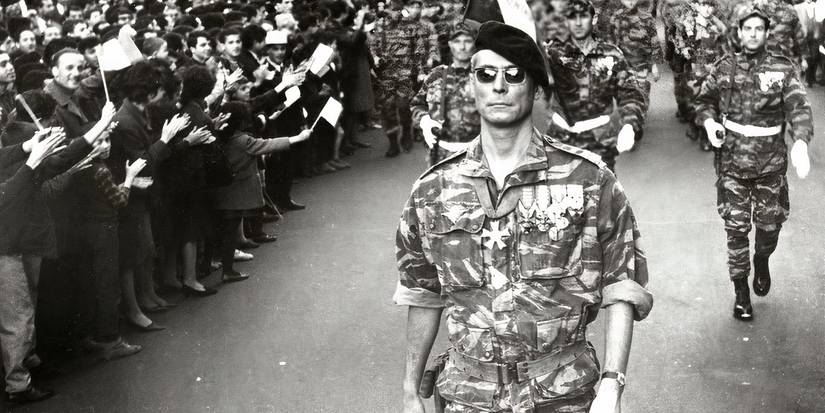
“It's difficult to start a revolution. Even more difficult to sustain one.” A movie so intense and vivid that it almost feels like a documentary (in fact, real-world militaries have used it as a teaching tool in training). The Battle of Algiers dramatizes the Algerian struggle against French colonial rule with handheld camerawork, grainy black-and-white photography, nonprofessional actors, and an almost journalistic attention to the mechanics of insurgency and counterinsurgency. That realism makes the violence particularly unsettling.
The film follows both members of Algeria's National Liberation Front and the French forces attempting to destroy their organization, showing bombings, assassinations, torture, raids, and reprisals without transforming the conflict into a conventional action spectacle. In the process, director Gillo Pontecorvo forces the audience to remain with the victims before the explosions. Here, civilian deaths never feel abstract.
9 'Persona' (1966)

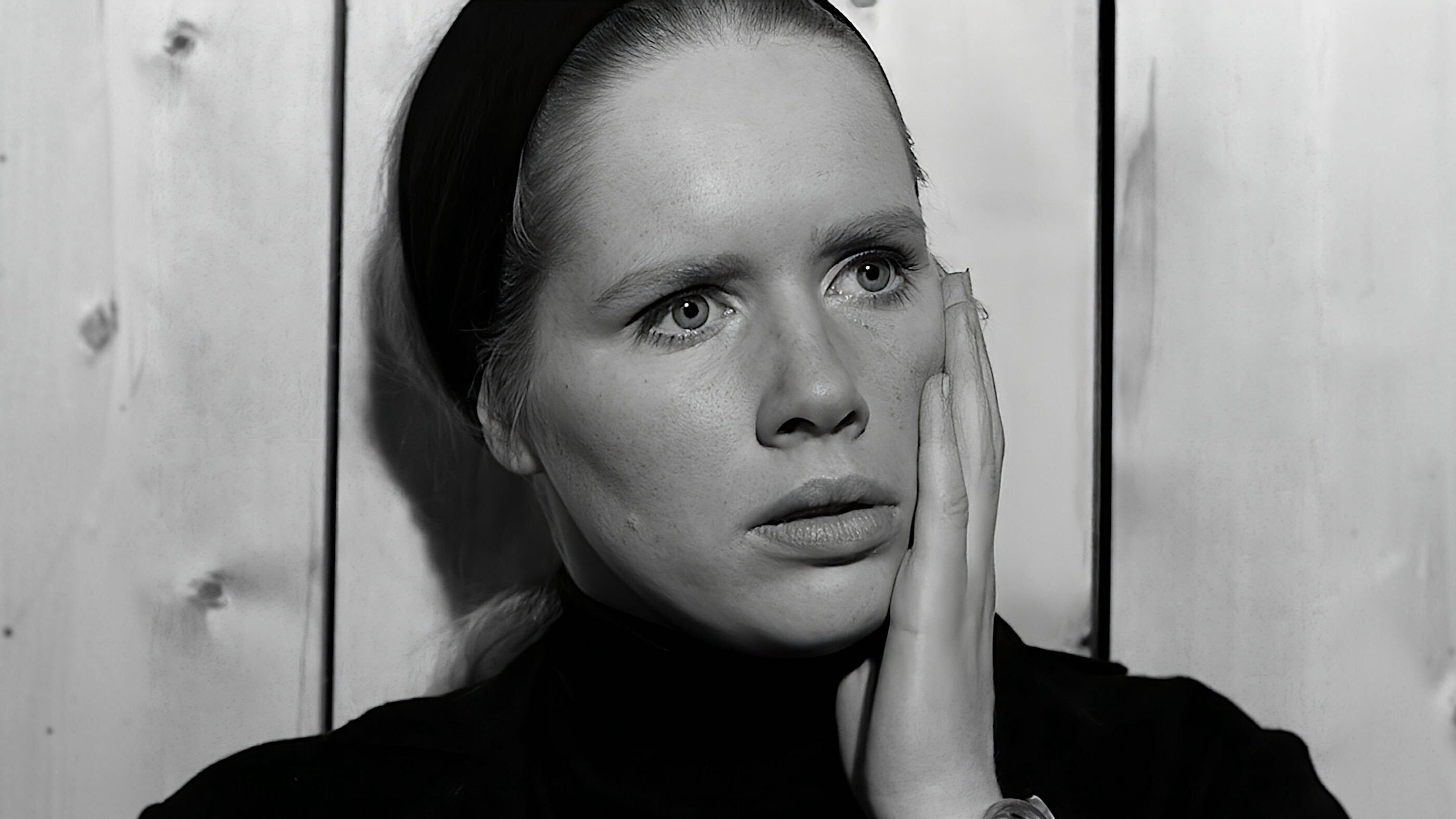
“No, don't. Don't laugh. Don't laugh at me.” This strange Ingmar Bergman gem begins with actress Elisabet Vogler (Liv Ullmann), who suddenly stops speaking during a performance and subsequently retreats into silence. Nurse Alma (Bibi Andersson) is assigned to care for her, and the two women relocate to an isolated seaside house where their identities begin to blur in increasingly strange ways. Both leads are fantastic: Ullmann communicates so much while barely speaking, while Andersson's confessions get almost shockingly intimate.
From there, Bergman steadily destabilizes the relationship between the two women and even the film itself. Faces overlap, scenes appear to repeat from different perspectives, and the physical movie seems at one point to break apart. The ambiguity is by design. It's a movie about performance, identity, intimacy, and how uncomfortably unstable our minds and personalities really are.
8 'The Apartment' (1960)

“Shut up and deal.” Jack Lemmon leads this bittersweet romantic comedy as C.C. Baxter, an insurance employee who allows senior executives to use his Manhattan apartment for their affairs. Baxter hopes their gratitude will accelerate his career. Mostly, it leaves him standing outside his own home waiting for other men's dates to end. Then he discovers that Fran Kubelik (Shirley MacLaine), the elevator operator he loves, is having an affair with his married boss.
Both are lonely people allowing themselves to be exploited because they desperately want something: professional success in his case and romantic validation in hers. This makes them feel real. In telling their stories, The Apartment walks a tricky tonal tightrope between comedy and heartbreak, but the cast and crew make it look easy. Crucially, director Billy Wilder finds the humor in corporate sleaze without pretending the consequences are harmless.
7 'Bonnie And Clyde' (1967)

“This here's Miss Bonnie Parker. I'm Clyde Barrow. We rob banks.” The old Hollywood rules were already crumbling when Bonnie and Clyde arrived, but Arthur Penn's crime film was the definitive nail in their coffin, paving the way for the New Hollywood revolution. Controversial for the time, the movie portrays the Depression-era criminals as charismatic antiheroes, although it never glosses over the impact of their crimes either. A lot of this is thanks to the complexity of Warren Beatty and Faye Dunaway's performances.
Their gang's robberies can be funny, exhilarating, and almost playful, which makes the eruptions of violence increasingly shocking. The mood of the movie can change in seconds, jumping from slapstick to intimacy to brutality without warning. That instability reaches its culmination in the famous final ambush, a scene that shocked audiences on release and opened up a new world of cinematic possibility.
6 'Lawrence of Arabia' (1962)

“Nothing is written.” The most well-rounded of the Old Hollywood epics. David Lean's nearly four-hour account of T.E. Lawrence's (Peter O'Toole) experiences during the Arab Revolt fires on all cylinders, succeeding not just as an immersive period piece but also as a complicated character study. Amidst the sprawling sets and countless extras, O'Toole gives an astonishing lead performance. He starts out as eccentric and adventurous but grows increasingly confident in his own exceptionalism, and that confidence gradually acquires a darker edge.
Indeed, the movie is fascinated by Lawrence's desire to invent himself. He changes clothes, tests his physical limits, embraces his celebrity, and begins imagining that ordinary rules no longer apply to him. Lean matches that psychological depth with some of the grandest filmmaking ever attempted. There is so much big-screen awe here, like the appearance of Omar Sharif from a distant mirage, the attack on Aqaba, and Lawrence's journey across the desert.
5 '8½' (1963)

“Happiness consists of being able to tell the truth without hurting anyone.” This was a massive leap forward for postmodern, self-aware filmmaking. 8½ finds Federico Fellini turning his own creative difficulties into the material for one of cinema's great films about artistic paralysis. Marcello Mastroianni plays Guido Anselmi, a celebrated director who is supposed to be preparing an ambitious new production despite having increasingly little idea what the movie is actually about. He's under massive pressure, and everyone wants something from him.
Producers need answers, actors want to understand their characters, journalists want explanations, his wife wants honesty, and his mistress creates another collection of problems entirely. Guido responds by retreating into memories, dreams, fantasies, and increasingly elaborate attempts to escape responsibility. Through him, Fellini allows reality and imagination to flow together completely, making for a charming statement on the messiness of memory, love, regret, desire, and creativity.
4 'The Good, the Bad and the Ugly' (1966)

“There are two kinds of people in this world, my friend: those with loaded guns and those who dig.” Perhaps the greatest of the Westerns, one whose theme tune is practically synonymous with the genre itself. Here, three ruthless men (Clint Eastwood, Lee Van Cleef, and Eli Wallach) pursue a fortune in buried Confederate gold while the American Civil War rages around them. Alliances last only as long as they're useful, betrayals are practically inevitable, and everyone knows that eventually there won't be enough gold to share peacefully.
All the leads are great, though Wallach nearly steals the entire movie as Tuco, whose greed, humor, desperation, and surprising vulnerability make him far more complicated than his "Ugly" label suggests. Sergio Leone surrounds these characters with vast landscapes, extreme close-ups, lengthy stretches without dialogue, and Ennio Morricone's unforgettable score, of course, taking his signature style to its most magnificent extreme.
3 'Dr. Strangelove' (1964)
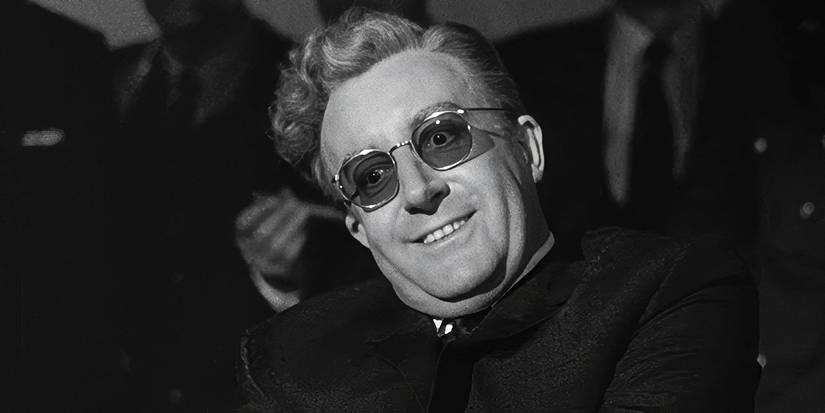
“Gentlemen, you can't fight in here! This is the War Room!” One of the most barbed satires in movie history, its teeth undulled with age. In Dr Strangelove, Stanley Kubrick takes the logic of Cold War deterrence and follows it to absurd (indeed, MAD) conclusions. When deranged General Jack D. Ripper (Sterling Hayden) independently orders a nuclear attack on the Soviet Union, American officials desperately attempt to recall the bombers before they trigger a doomsday device.
Peter Sellers famously plays three different roles, including the increasingly exasperated President Merkin Muffley and the bizarre former Nazi scientist Dr. Strangelove, while George C. Scott is spectacular as General Buck Turgidson. He's fantastic, as is the script. Ultimately, part of the genius of Dr. Strangelove is the way it depicts the people responsible for civilization's survival as petty, horny, competitive, ideologically obsessed human beings: a frightening reflection of reality.
2 'Psycho' (1960)
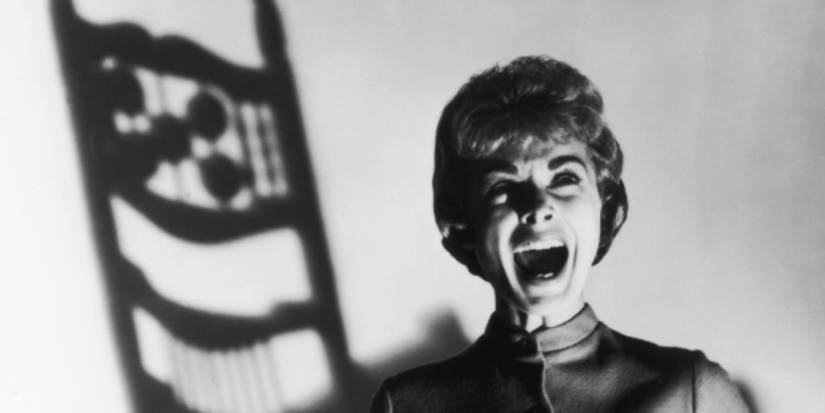
“We all go a little mad sometimes.” It's difficult to appreciate just how strange Psycho must have seemed in 1960 because filmmakers have spent decades copying its innovations. Obviously, its narrative switcheroo is the big one. Alfred Hitchcock starts with Marion Crane (Janet Leigh), stealing $40,000 and fleeing town. It looks like this will be a crime thriller. Then she stops at the Bates Motel, and Hitchcock kills off the character audiences thought they were going to follow, and the movie really begins.
So did a whole new era of psychological thriller filmmaking. The shower scene remains the obvious technical showpiece, using editing, sound, suggestion, chocolate syrup, and Bernard Herrmann's shrieking strings to create violence far more graphic in the imagination than what actually appears onscreen. Yet Psycho is much more than one famous sequence, boasting strong performances (particularly from Anthony Perkins) and an intelligent script.
1 '2001: A Space Odyssey' (1968)
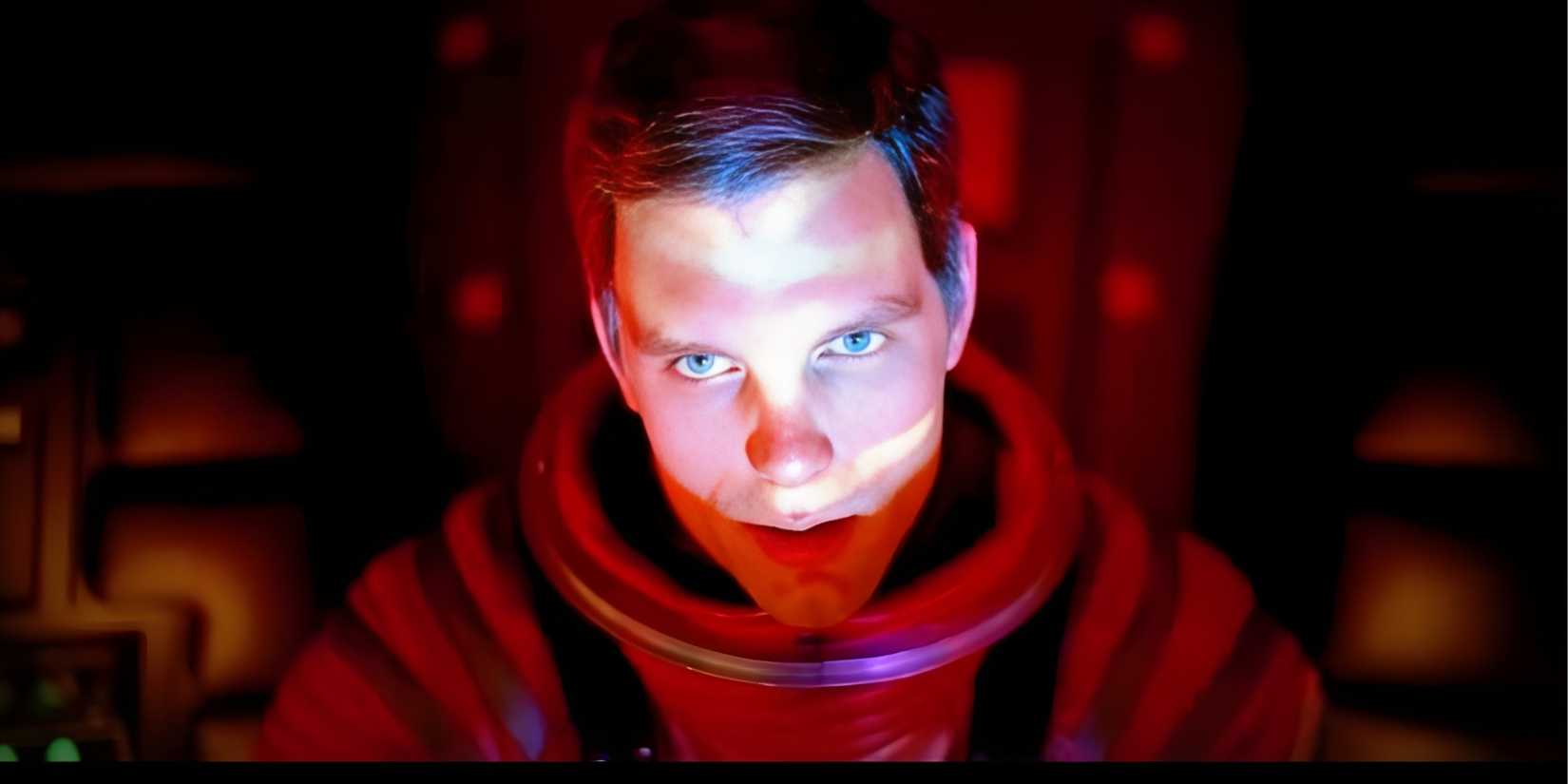
“I'm sorry, Dave. I'm afraid I can't do that.” Kubrick strikes again. At the time, 2001: A Space Odyssey was the most ambitious sci-fi movie ever made, straining against the technical limitations of the '60s to imagine something totally new. The story literally spans millennia, beginning with prehistoric hominids and eventually following humanity beyond Jupiter toward rogue AI and something even more mysterious, even transcendent. All this is realized through effects that were lightyears ahead of the curve.
The storytelling here is truly virtuosic. The most famous example is the cut from a bone thrown into the air to an orbiting spacecraft, an elegant move that compresses millions of years of technological development into a single transition. On a purely visual level, 2001 would enable later sci-fi masterpieces like Star Wars and Alien. On a philosophical one, however, it arguably remains sui generis, basically psychedelic. Almost 60 years later, the movie is still challenging us.
KioskNews shows a cleaned-up reading view extracted from the publisher’s page — the original always lives on their site, not ours.