Hong Kong to exempt medical device imports for personal use from new regulation
Medical devices bought from online platforms based outside Hong Kong for self-use or as personal gifts will not be targeted by a proposed law requiring medical device traders to register with the government, the city’s health minister has said.
The Secretary for Health Lo Chung-mau on Friday set out to lawmakers the circumstances in which some medical devices would face more stringent regulation under a proposed bill to strengthen public health protection. The bill is scheduled to be submitted next year.
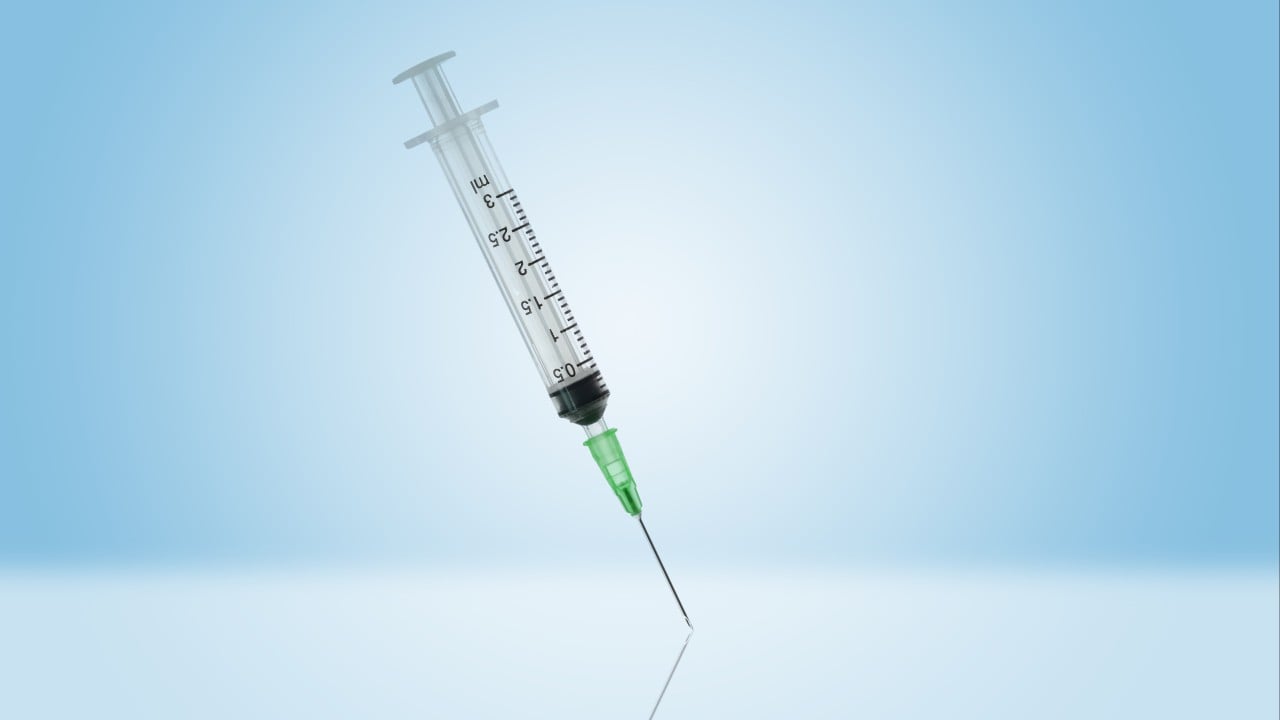
Under the proposed regulation, medical devices with higher risks, such as corrective contact lenses and hypodermic needles, would need to be registered with the Department of Health before they are sold in Hong Kong.
Lower-risk items, including adhesive bandages and walking aids, could be exempt from registration, although traders in those items would still require licences.
The registrations would need to be made by licensed local manufacturers, importers or wholesalers.
Lawmakers were concerned about which circumstances would require registration.

“Many people now would buy contact lenses or glucose monitoring devices through overseas and mainland e-commerce platforms and have them delivered to Hong Kong,” said Chan Pui-leung, referring to items classified as higher risk under the proposed regulation.
“As those non-local e-commerce platforms are not licensed importers, how could the new law regulate these cross-border e-commerce platforms that sell unregistered medical devices to Hong Kong consumers?”
“If there are exemptions, how could the authorities prevent unscrupulous businessmen making use of overseas purchasing agents … to circumvent the new regulation?” Chan said.
In his reply, Lo said online purchase of medical devices for self-use would not require registration.
“It is not illegal for people to purchase online,” Lo said. “Anyone purchasing medical devices for personal use is not violating any laws … but they cannot resell or use them to practise medicine.”
“Quality, safety and efficacy of medical products are very important. We hope to educate the public that when purchasing medical devices, they should consider items that have been registered in Hong Kong … and avoid online purchase if possible.”
The proposed regulatory regime has two classification systems, one for general medical devices and another for in vitro diagnostic medical devices, which are used outside the body. Both are classified based on their levels of risk.
General medical devices would be classified based on risk factors such as how invasive they are and how long they are placed in the human body, with class I the lowest risk and class IV the highest.
In vitro diagnostic medical devices would be classified according to the risks they pose to users and public health, from class A for the lowest-risk items, such as clinical chemistry analysers, to class D for the highest-risk ones, including hepatitis C virus testing reagents.
Pregnancy self-testing kits would be in class B, for items with “medium individual risk or low public health risk”, with blood glucose self-testing kits in the higher risk class C.
Only the lowest-risk items – class I general medical devices and class A diagnostic medical devices – could be exempt from registration.
The existing voluntary list of medical devices maintained by the department includes injectable dermal fillers and mucous membrane fillers, which are commonly used in the beauty industry.

Lawmaker Reverend Peter Koon Ho-ming raised a concern about unregistered medical devices being given as gifts.
“If a person bought an item from a platform, and gave it away to someone else whom he found suitable, is that allowed too?” Koon said.
Lo said items that are gifts and not used for business purposes would not be subject to the proposed regulation.
“But if the items are used for work or business, even in voluntary work by non-governmental organisations, such as measuring blood pressure or blood sugar for the elderly, we would see them as a business even though they are not charging,” Lo said.
In this situation, medical devices would need to comply with the registration system, he added.
Separately, the authorities on Friday gazetted a bill which would establish the statutory status of the Centre for Medical Products Regulation, slated to be the city’s flagship body for drug regulation.
That bill is scheduled to be introduced to the Legislative Council for its first reading on November 25.
KioskNews shows a cleaned-up reading view extracted from the publisher’s page — the original always lives on their site, not ours.