Top Chinese cancer researcher calls on Hong Kong to deepen research ties with mainland
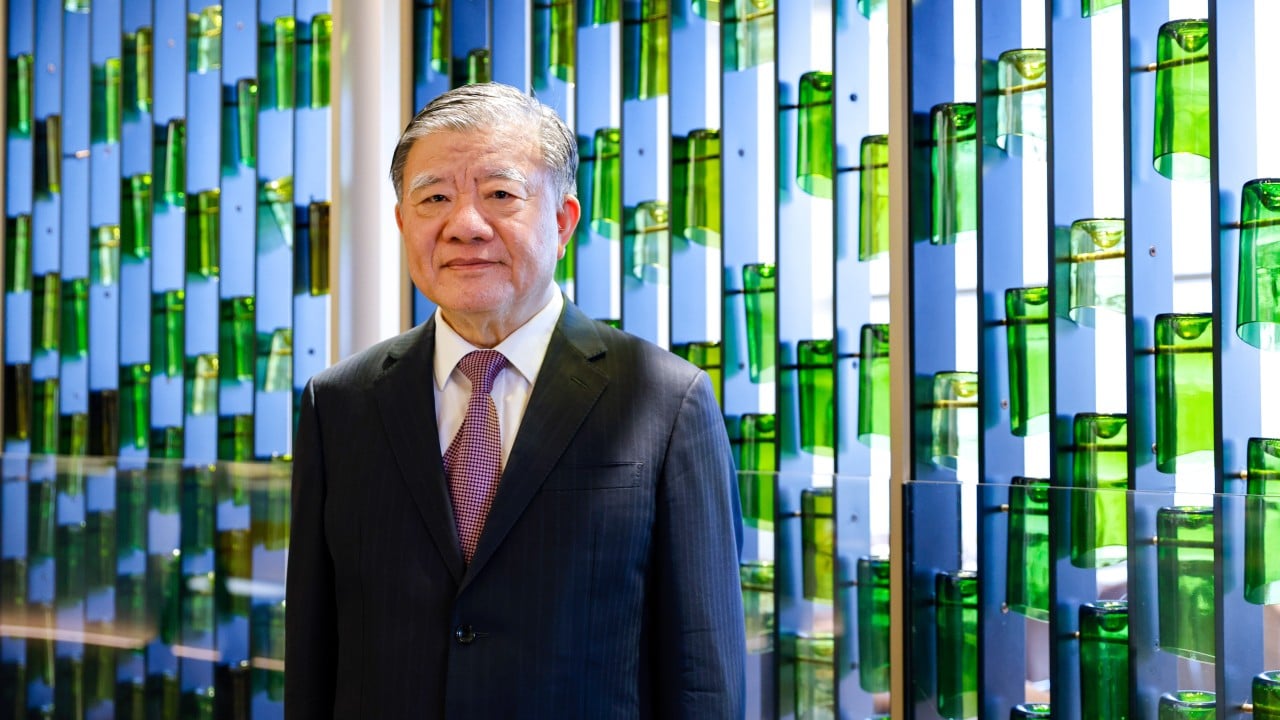
A leading Chinese blood cancer specialist has urged Hong Kong to deepen research collaboration with mainland China, saying the city could play a unique role in connecting the mainland’s growing scientific capabilities with the international life sciences community.
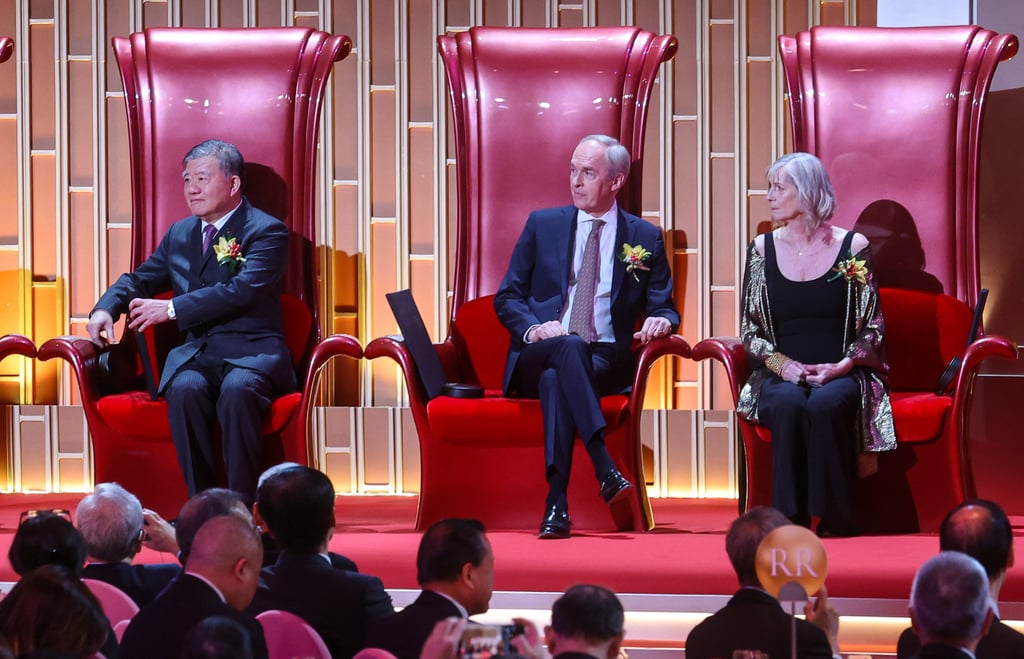
Zhu Chen, a professor at Ruijin Hospital of Shanghai Jiao Tong University’s school of medicine, received the 2026 Shaw Prize in Life Science and Medicine last week alongside French molecular biologist Anne Dejean and French doctor and researcher Hugues de The for their work on a rare form of leukaemia, including the development of a highly effective targeted treatment.
Dejean and de The were recognised for discovering the molecular and cellular bases of acute promyelocytic leukaemia (APL), a rare and aggressive form of blood cancer, while Chen contributed to translating their scientific findings into effective clinical treatments.
Chen played a key role in combining arsenic and retinoic acid, two therapies first discovered in China, to effectively treat APL patients, with the combination eventually becoming a standard non-chemotherapy treatment, achieving cure rates of over 90 per cent.
He said he felt great “encouragement” and “acknowledgement” in receiving the award in Hong Kong, adding that he had maintained close ties with the city’s medical and scientific communities.
Dejean, professor emerita at the Institut Pasteur in Paris, said she was “extremely honoured, excited and at the same time moved” to receive the award, adding that understanding the mechanisms of APL had been the “main achievement” of her life.
De The, professor and chair of cellular and molecular oncology at the College de France and Hospital Saint Louis in Paris, said his collaboration with Chen, which spanned more than 30 years, was a reflection of the long Chinese-French cooperation behind the research.
Chen, who was a vice-president of the Chinese Academy of Sciences from 2000 to 2007, expressed confidence in Hong Kong’s potential to further develop its life sciences and medical research sectors.
“Hong Kong’s international outlook and openness gave it an advantage in facilitating exchanges between mainland and overseas researchers, particularly in promoting collaboration to balance and integrate traditional Chinese medicine and Western medicine.”
Hong Kong had contributed to the development of APL treatments, with researchers at the University of Hong Kong (HKU) developing an orally administered arsenic-based treatment for the disease.
Harinder Gill, a clinical associate professor at HKU’s department of medicine and a lead researcher in the university’s APL treatment project, noted that the laureates had laid a crucial foundation by identifying the genetic targets of the disease and establishing the effectiveness of arsenic as a treatment.
“Without their initial discoveries, the subsequent applications would have been impossible,” he said.
Chen’s original treatment involved intravenous administration of arsenic trioxide. The HKU team developed the oral formula and combined it with retinoic acid, improving treatment delivery and efficacy, and patients’ quality of life. The treatment has achieved cure rates of more than 97 per cent.
Chen said this showed how mainland China and Hong Kong could build on each other’s scientific strengths to advance medical research, highlighting the value of cross-border collaboration.
He also expressed support for Hong Kong’s planned drug and medical device regulator, the Centre for Medical Products Regulation, saying “a stronger regulatory framework could help the city advance drug standardisation and approval”.
Looking ahead, he identified cross-border multicentre clinical trials as a key area for cooperation.
“Hospitals in Hong Kong and mainland China could work together to conduct clinical studies on treatments for specific diseases, with Hong Kong’s international connections potentially helping the findings gain greater recognition overseas.”
Chen also called for closer integration of research resources across Hong Kong and the Greater Bay Area, saying the establishment of national key laboratories in the city, together with the mainland’s expanding research capabilities, could provide a strong foundation for a closer biomedical research cooperation.
Beyond scientific collaboration, Chen said Hong Kong could leverage its status as an international financial centre to attract strategic investors and patient capital to support the development and commercialisation of biomedical innovations.
“Combining Hong Kong’s stability and prosperity with the mainland’s growing scientific strength and long-term investment could give the whole country a significant strategic advantage in developing its biotechnology and pharmaceutical industries.”
KioskNews shows a cleaned-up reading view extracted from the publisher’s page — the original always lives on their site, not ours.