Weight-loss drug users in more houses than vegetarians
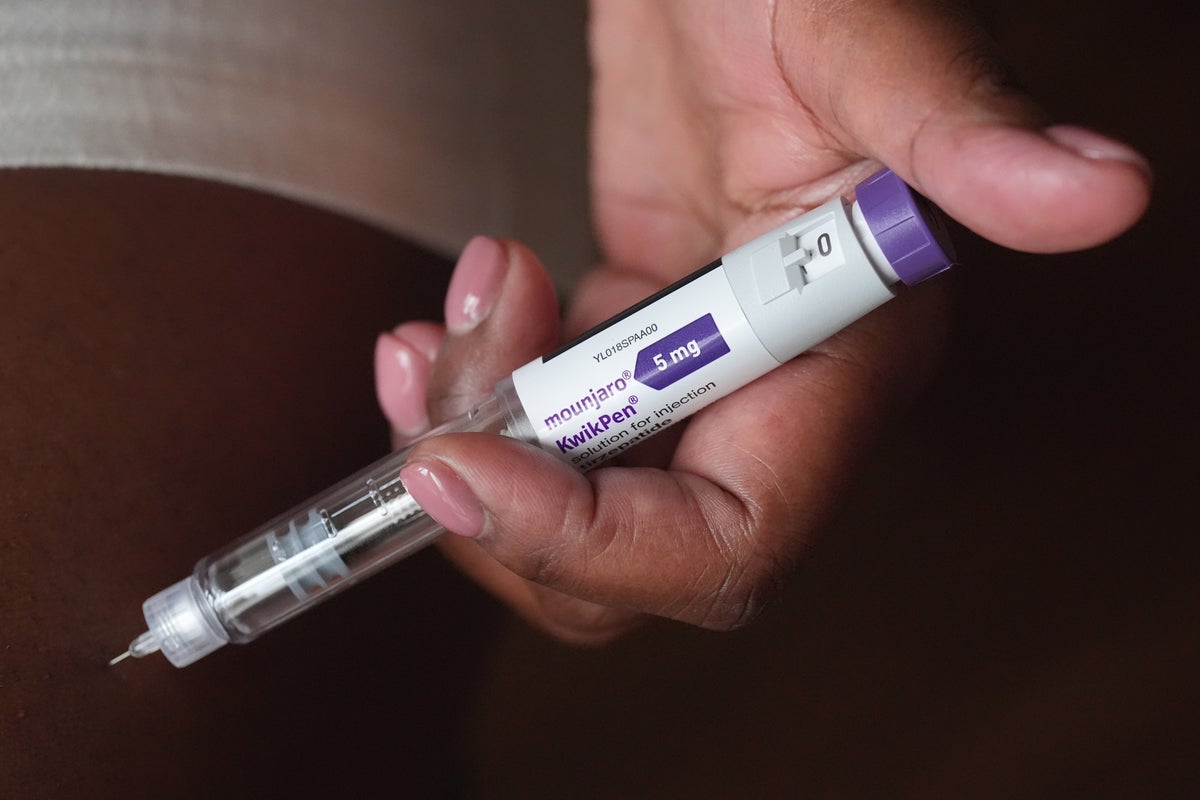
British households are now more likely to include someone on a weight-loss drug than a person who is a vegetarian.
About 8.5 per cent of UK households include at least one person taking a weight-loss medication like Mounjaro and Wegovy, new research has estimated. This compares with the 5.5 per cent of households that include a vegetarian and three per cent that include a pescatarian.
Weight-loss drugs work by suppressing people’s appetites by mimicking a hormone called GLP-1 which makes individuals feel fuller for longer.
Research from Worldpanel, which has tracked the effect of weight-loss drugs on consumer spending since March 2024, looked at usage across 9,629 households and found that British households with at least one user spent £1 billion less on grocery bills over the course of the year after starting the drugs. That is equivalent to £389 a year displaced from each user household’s shopping basket.
Spending on alcohol and crisps has fallen by 15 per cent more in households with a user on the weight-loss drugs than in those without, they reported. Meanwhile, portion-controlled options such as frozen ready meals have seen a 30 per cent uptake.
The findings are the latest to suggest that the uptake of weight-loss medications will shift consumer spending and eating habits in the years to come.
Chantel Kennaugh, head of public sector and Nutrition at Worldpanel by Numerator said that the findings suggested that GLP-1 users were being more mindful about what and how they eat.
“Too often, the GLP-1 impact is framed as a story about value or volume decline, but there’s a much more interesting story sitting behind this. From a grocery perspective, this new audience is being more mindful about what and how they eat. The key for retailers is how to support them, without isolating them. This might be as simple as producing clear labels that highlight nutrients like high protein or ensuring ranges are available in smaller portions sizes.
“Our estimates suggest that GLP-1 usage is set to surpass 10 per cent of GB households in 2027. This is not a flash-in-the-pan trend, but a seismic change that requires retailers and manufacturers to re-think their strategies.”
While less money was spent on groceries, the research suggested that some of this displaced money was going to health and beauty instead. GLP-1 users spent £78 million more than expected on health and beauty products in the first year after adoption, and 30 per cent said they had spent more on clothing and footwear.
An estimated 8.25 million people in the UK have either taken, are taking or are considering taking GLP-1 weight loss medications, according to a survey by The Food Foundation in May.
KioskNews shows a cleaned-up reading view extracted from the publisher’s page — the original always lives on their site, not ours.