The 10 Best Book Endings of All Time, Ranked

Jeremy has more than 2900 published articles on Collider to his name, and has been writing for the site since February 2022. He's an omnivore when it comes to his movie-watching diet, so will gladly watch and write about almost anything, from old Godzilla films to gangster flicks to samurai movies to classic musicals to the French New Wave to the MCU... well, maybe not the Disney+ shows.
His favorite directors include Martin Scorsese, Sergio Leone, Akira Kurosawa, Quentin Tarantino, Werner Herzog, John Woo, Bob Fosse, Fritz Lang, Guillermo del Toro, and Yoji Yamada. He's also very proud of the fact that he's seen every single Nicolas Cage movie released before 2022, even though doing so often felt like a tremendous waste of time. He's plagued by the question of whether or not The Room is genuinely terrible or some kind of accidental masterpiece, and has been for more than 12 years (and a similar number of viewings).
When he's not writing lists - and the occasional feature article - for Collider, he also likes to upload film reviews to his Letterboxd profile (username: Jeremy Urquhart) and Instagram account.
He has achieved his 2025 goal of reading all 13,467 novels written by Stephen King, and plans to spend the next year or two getting through the author's 82,756 short stories and 105,433 novellas.
Sign in to your Collider account
When you read a book, you're probably going to have to dedicate a whole bunch of time to it, unless it’s a novella or unless you're just a supernaturally fast reader. If you're in the latter camp, good on you. Also, lucky you. But hey, even if you're a fast reader, you're still going to want the destination to make the journey worth it. And if you're not a fast reader, then you're probably going to be even keener for the book you’ve spent a whole bunch of time on to end on a high note.
Books don’t have to end amazingly to be great, since Frank Herbert honestly wasn’t very good at final chapters, but most of his Dune books are worth reading (most of them just sort of end abruptly, though to be fair, you can say the same about Jaws, and that’s a flawless movie regardless). If you are after books with amazing endings, though, then the ones below are definitely worth checking out. If a book below ends surprisingly, then the fact the ending is surprising will be noted, but the specifics of the surprise won’t be. So, consider that a warning that there might be some mild spoilers (but nothing too in-your-face) below.
10 'Animal Farm' (1945)
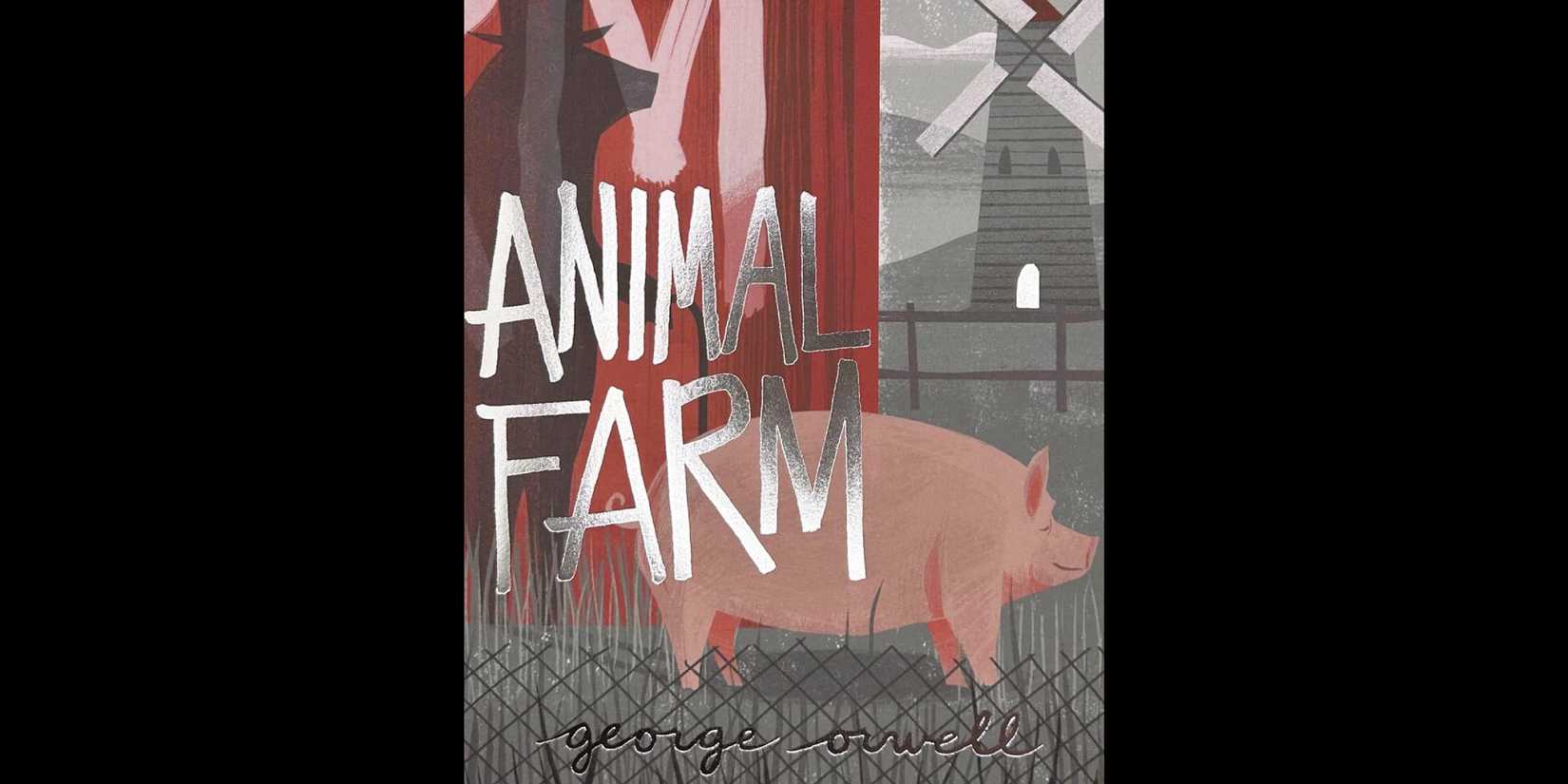
Novellas were mentioned before, and here’s one, technically: Animal Farm. Still, there’s a lot here packed into a relatively small number of pages, making Animal Farm more engaging and deep than a good many genuinely lengthy novels, because even if it’s technically about some animals on a farm (shock, horror) fighting for power, it’s actually about a whole lot more than that.
Or, more accurately, it’s about what you want it to be, depending on how you choose to break it down and all. In any event, the ending of Animal Farm packs a punch, even with it being the kind of thing that’s so iconic, it’s unlikely to count as a twist anymore. It happens, after so many years. It’s not quite the same as complaining about someone spoiling what happens by way of a massive natural disaster in the Book of Genesis (“Noah way,” people would say, if you could actually ruin it for them), but it’s also eventually not going to be too far off.
9 'Northern Lights' (1995)
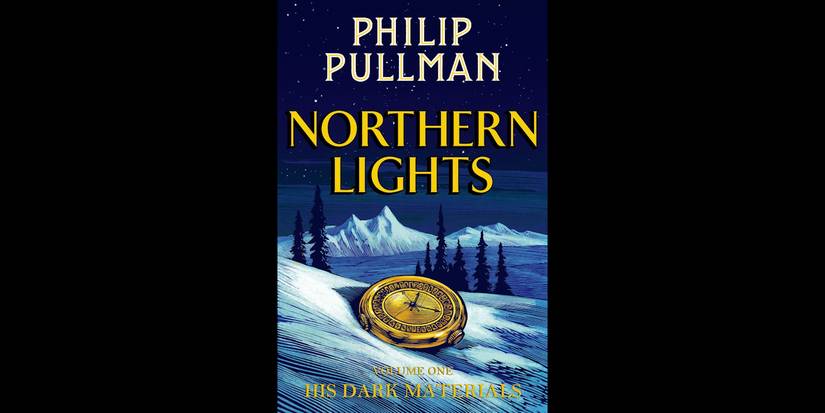
Sometimes known as The Golden Compass, Northern Lights is the first book in the His Dark Materials trilogy, and because that whole trilogy ends a bit unusually, it probably has the strongest ending out of any of the books. That feels a little odd to say, yet it is its own book, and without it ending the way it does, it might not be as likely that you'd feel so invested and ready to tackle the next two books right after this one’s done.
Basically, Northern Lights has a good number of shocking moments for a young adult (or even children’s, according to some sources) novel, and there are reveals here that are honestly surprisingly bleak. It feels conclusive for a part one, all the while leaving a lot open for the rest of the series to explore, but in a thankfully genuinely satisfying manner.
8 '11.22.63' (2011)

Before you get to the ending, 11.22.63 is about an English teacher who’s given the chance to go back in time, but specifically to 1958. He views this as an opportunity to stay in the past for a while, until the titular date, when John F. Kennedy was assassinated, and on that date, he intends to prevent the assassination from happening, which seems like it’ll change the future for the better... that’s the plan, at least.
And then the very end, without saying too much, does prove to be one of the most effortlessly emotional things Stephen King has ever written.
Much of 11.22.63 involves spending time to confirm who killed Kennedy while there, and then there are other forces that are harder to comprehend which seem to be working against him changing the past. When it gets to the end of things, though, it’s intense in a way that lives up to how suspenseful everything before the ending is, and then the very end, without saying too much, does prove to be one of the most effortlessly emotional things Stephen King has ever written in a very long (and mostly great) career.
7 'Mistborn: The Final Empire' (2006)

Brandon Sanderson has such a knack for concluding his books on high notes that there’s a term for the climaxes he tends to write: a Sanderlance. Basically, you're hit with a whole lot of drama packed into the final stretch of almost any given novel of his, and since some of his books are quite long, you're sometimes looking at 100+ pages of grand-scale action and surprising reveals, all in rapid succession.
You can feel a Brandon Sanderson book is a little slow-going at times, but then feel at ease that you're going to feel a sense of surprise (and, perhaps paradoxically, some unease) by the time you reach the last few chapters. Mistborn: The Final Empire might well have the most powerful Sanderlanche to date, and like with Northern Lights and its place within His Dark Materials, the way The Final Empire concludes is almost guaranteed to make you intrigued about how the next two Mistborn books might play out.
6 'Blood Meridian' (1985)
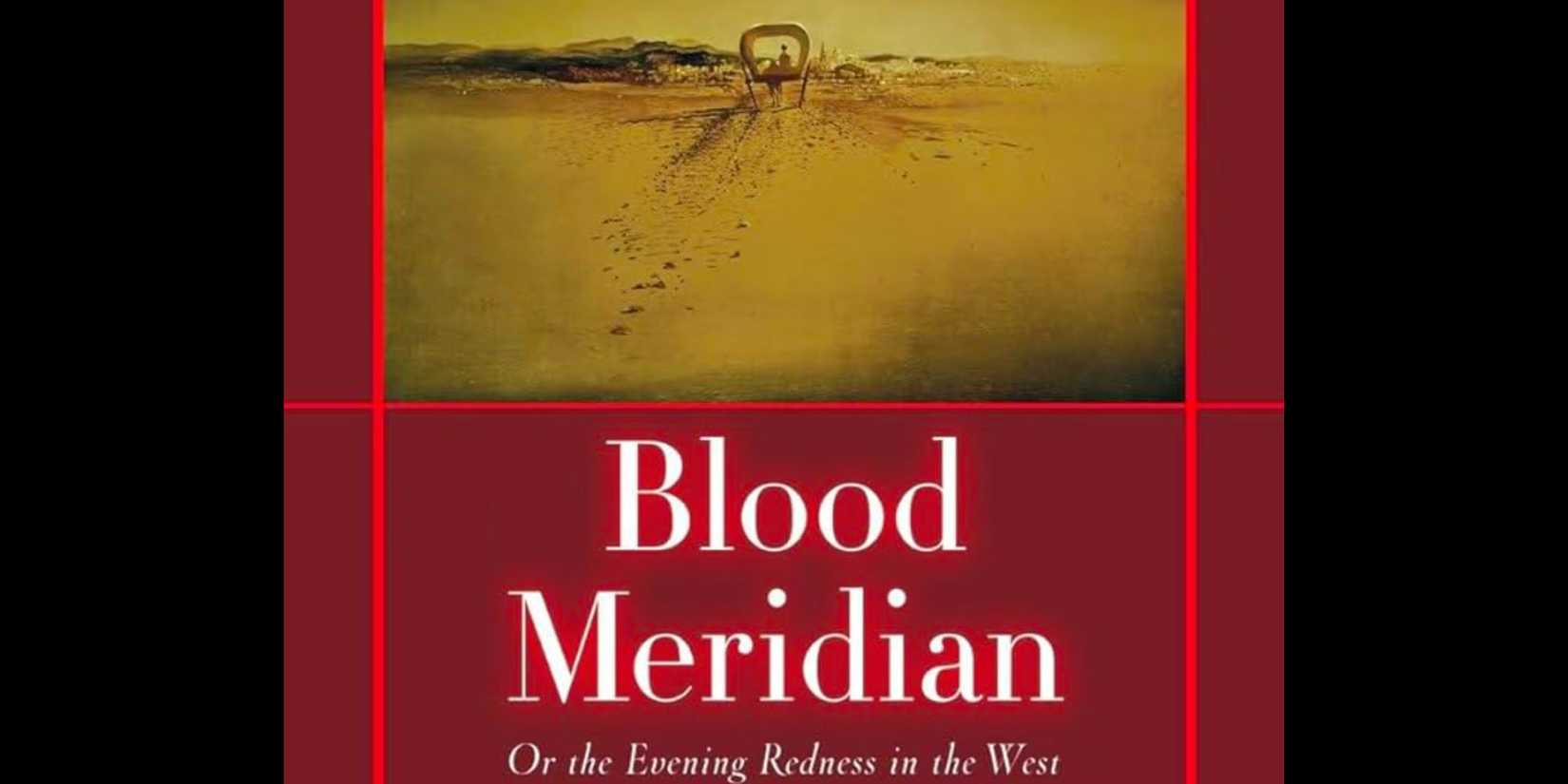
If Blood Meridian ever got made into a movie, it would ultimately be one of the most grueling and bloody of all time, even if it was just a fraction as violent as its source material. Also, Judge Holden would probably enter the ranks of the best monsters in cinema history, but as it stands, he has to settle for being one of the most memorable monstrous characters in literary history, since he is far and away the worst of a bad bunch.
Since it’s Cormac McCarthy being talked about, the notion that the Judge is one of the only people to emerge from Blood Meridian unscathed shouldn’t be too surprising, and it’s also the kind of book where you know it’s all going to end miserably about 10 or so pages in (or perhaps even earlier). Everything you’ve heard about this book and the ways it’s controversial are true, and while it is worth reading if you’ve got a strong enough stomach, definitely don’t read it if you're uncomfortable with a book that ends without even a hint of hope or anything approaching redemption for any of its characters.
5 'House of Leaves' (2000)
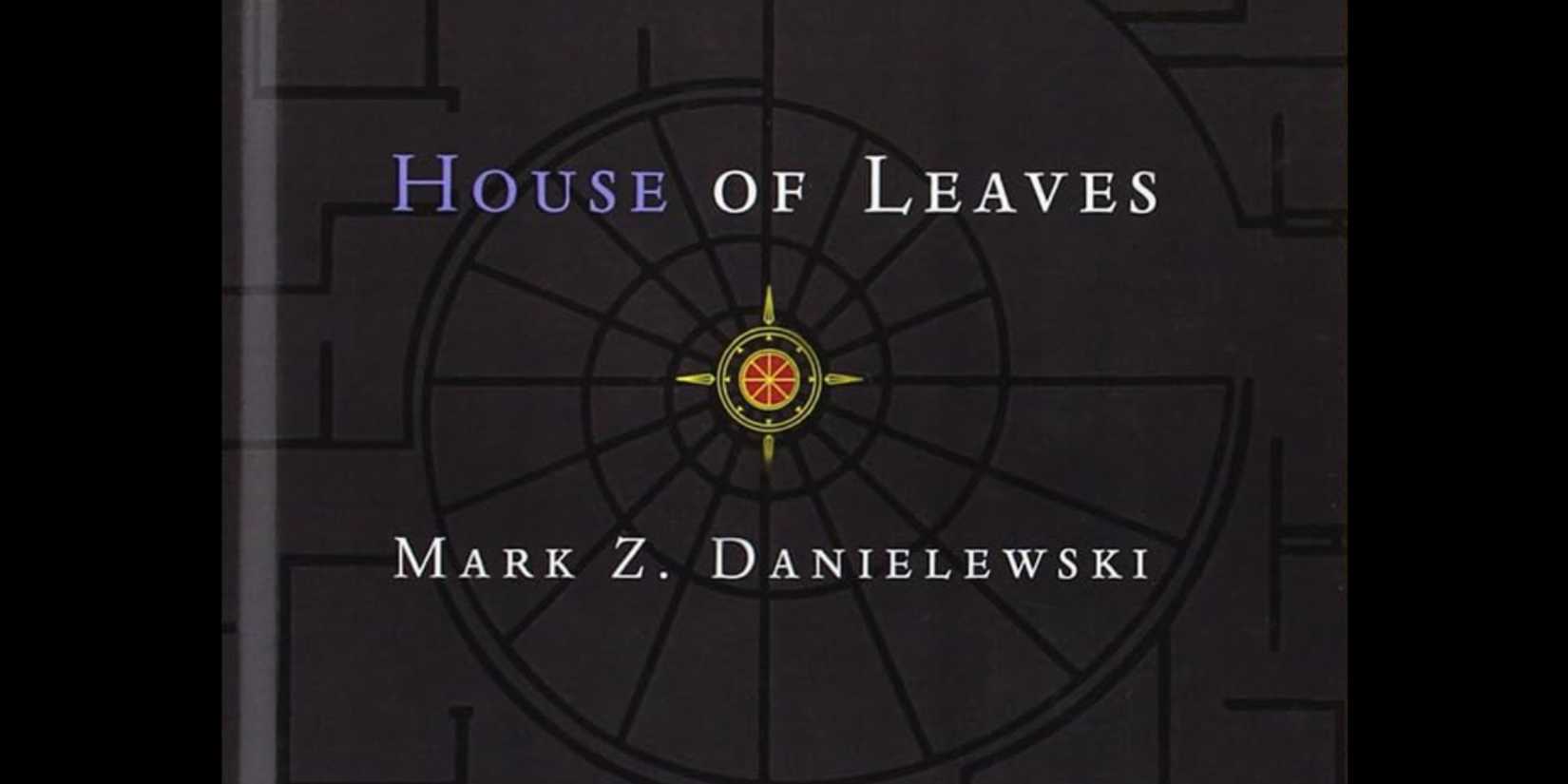
Unpredictability is at play throughout the entirety of House of Leaves, which has the distinction of being incredibly intense for much of its duration while being, at some other points, honestly a little slow. There are things here that deliberately draw the novel as a whole out, and House of Leaves isn't afraid to slow down its pacing, and if you want to really get lost in some of the text that isn't strictly about the main part of the story, you can get distracted for a while. Thankfully, though, it does end up rewarding your time.
The ending helps in that regard, even if there are still quite a few unanswered questions when all is said and done, to say the least. There are a whole bunch of different narratives within House of Leaves (before even getting to how oddly the whole novel’s presented), so it’s not the kind of thing that wraps up neatly… though it does wrap up powerfully and memorably, admirably delivering more than just horror at the story’s end (even if horror is the genre ultimately explored most effectively in the bulk of House of Leaves).
4 'Stoner' (1965)
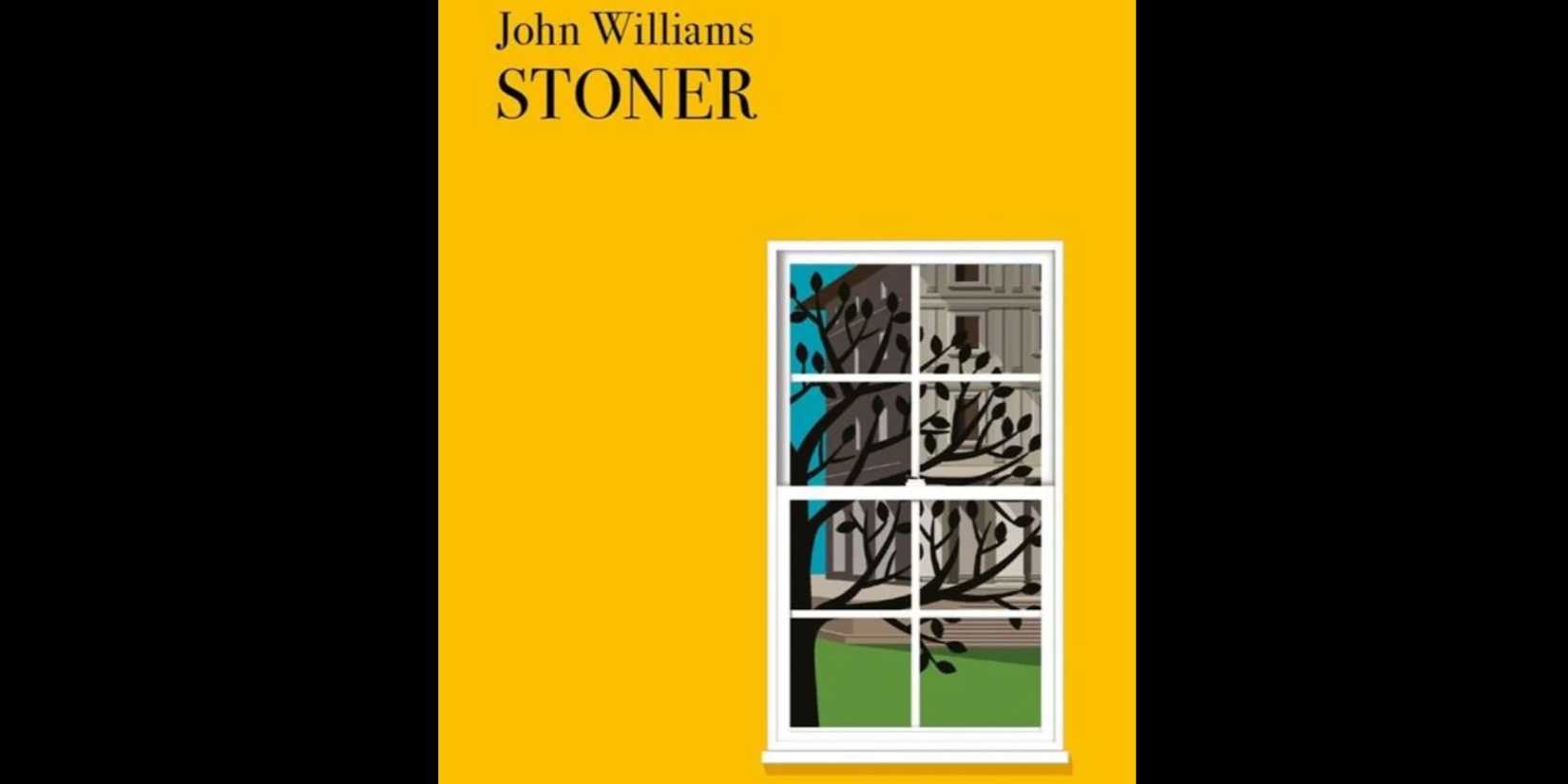
Stoner is a book about a man living a life and that’s about it, but also, that’s everything, because that’s life. That could make Stoner something of a hard sell, but then again, at the same time, it’s hard to imagine too many people reading it and not getting anything out of it. The titular character grapples with the highs and lows of life, with more of an emphasis on the lows, and he overcomes a little but mostly just endures a whole lot.
As a result, Stoner ends the way it always had to, because it’s a life story, beginning with the main character’s early stages of life and then ending when that life is no more. To say Stoner is ruinable would be like someone saying that learning they're going to die is a life spoiler. Finding meaning before that inevitable end is what's important, and that is what you get here (and it’s also what William Stoner thankfully finds, at least to some extent).
3 'And Then There Were None' (1939)

Before addressing or alluding to the ending, it has to be stressed that And Then There Were None has one of the best premises of all time, and then part of the reason it’s here is that the quality of the ending matches the quality of the premise. It’s immense all the way through, in other words, being perhaps the ultimate Agatha Christie novel, and one about ten people being told to go to an island and dying one by one.
Because they're all isolated, those who don’t die initially have to try to figure out who’s doing the murdering, and then, unsurprisingly, you, as a reader, are likely hooked. Of all the books here, it would feel like the biggest crime to ruin And Then There Were None, even with it being close to 90 years old, at the time of writing. It’s a fast-paced and relatively short book, too, so there’s little excuse not to read it, even if you're not exactly the biggest fan of reading in the world.
2 'The Dark Tower VII: The Dark Tower' (2004)
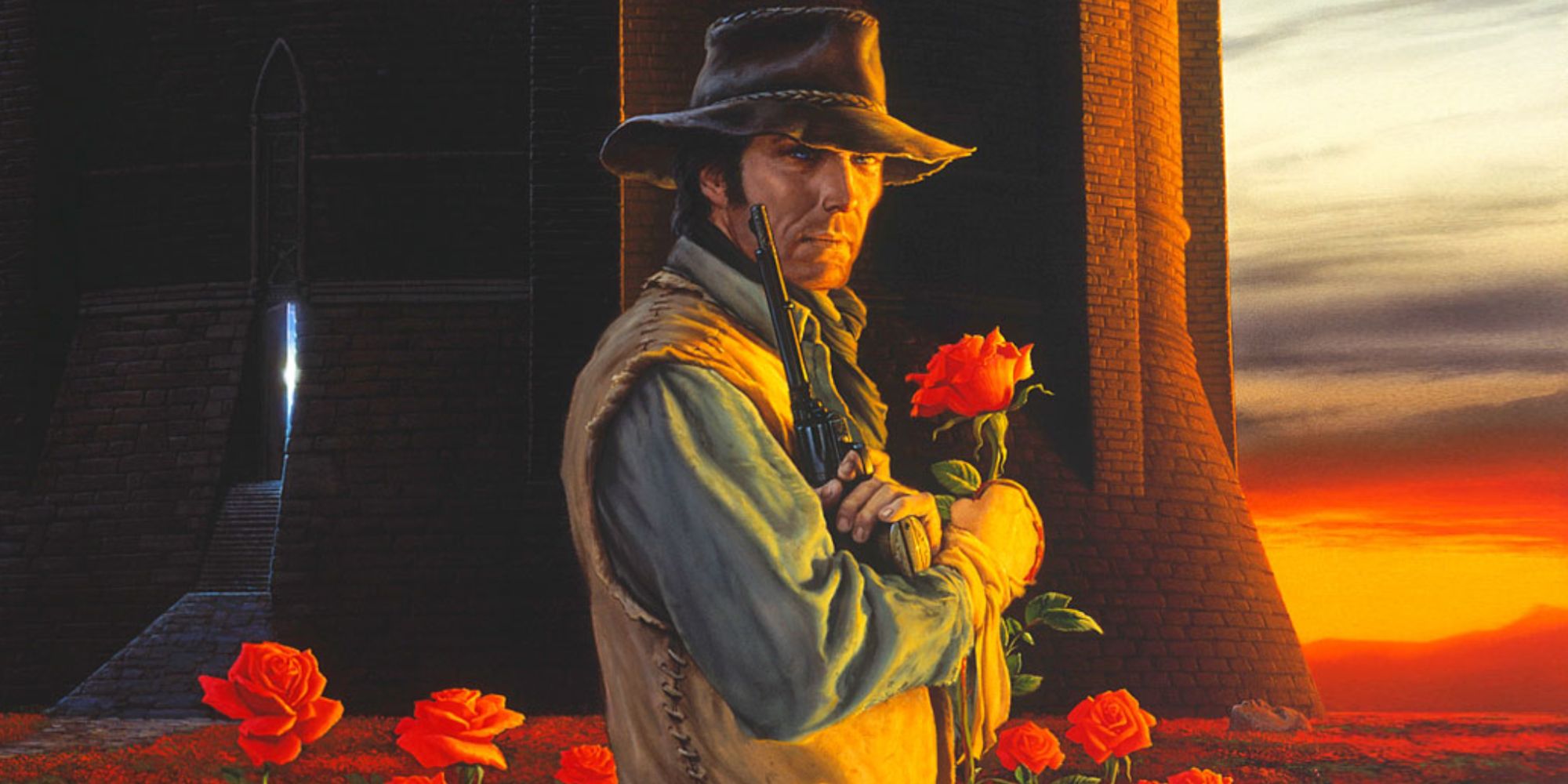
Like with The Stand and IT, which are some other classic (and lengthy) books by Stephen King, some people really don’t seem to like how The Dark Tower, as a series, concluded with the seventh main book, which was fittingly called The Dark Tower VII: The Dark Tower. It’s bold for sure, perhaps to a greater extent than even the ending found in IT, which might well be the only “more” controversial Stephen King ending in a career filled with somewhat divisive finales, but let it be known: these books have genuinely great endings.
There was a need to wrap up a lot here, and with The Dark Tower VII, Stephen King didn’t pull any punches, and then he also didn’t limit himself in terms of strange and offbeat ideas. There’s a sense of overwhelming finality here, alongside some admittedly anticlimactic (but in a purposeful way) elements, and then also a lot that’s surprisingly meta and introspective. It gives you a ton to think about and feel all at once, and it’s undoubtedly striking as a grand finale, proving difficult to forget and/or shake, for better or worse.
1 'The Lord of the Rings' (1954–1955)

Whatever decade it had been published in, it’s inevitable that The Lord of the Rings would have been the top of that decade. It is just something special, so even if that’s a bit expected, and also maybe a bit boring to put it in the number one spot here, sorry, but it’s The Lord of the Rings. It has a bit of everything, including great characters, an immense world, a well-paced epic narrative, and a surprising amount of emotional weight.
Lots of the emotion comes at the end, expectedly, though by no means should The Lord of the Rings only be read for its ending (you'll realize sooner rather than later how good the journey is, almost regardless of the destination). There’s a whole lot of drama here, and a good many characters, but all the events and all those character arcs come to beyond-fitting conclusions by the time the whole epic novel wraps up (it’s a lengthy ending, especially if you read all those appendices, but undeniably worth it).
KioskNews shows a cleaned-up reading view extracted from the publisher’s page — the original always lives on their site, not ours.