E Ink's new Kaleido 4 could inch us closer to the perfect color e-reader
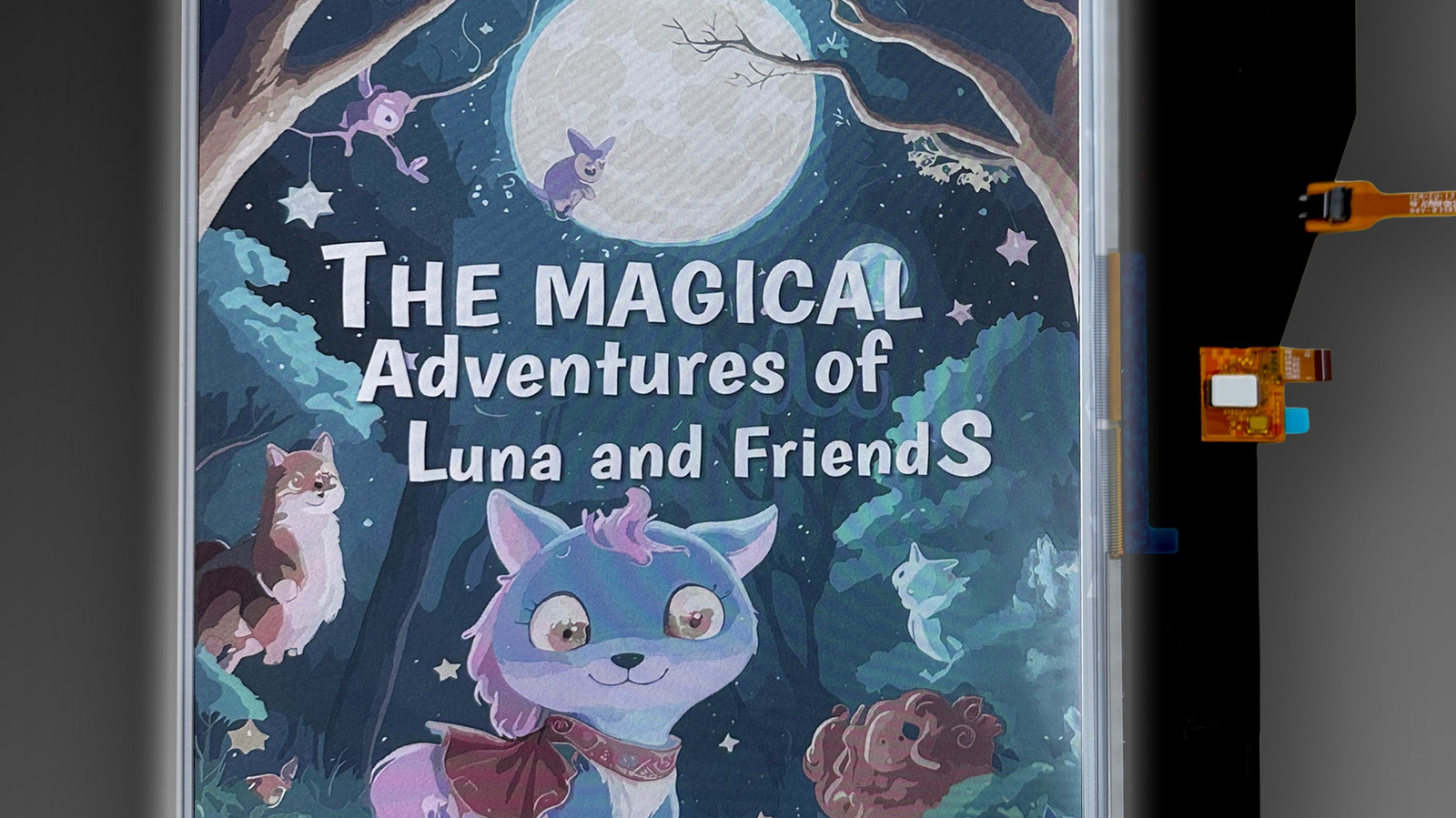
The new display tech offers improved color reproduction and refresh rates.
E Ink
E Ink has announced the latest version of its Kaleido color e-paper technology, introducing improvements that could be the selling point of future e-readers and writing tablets. The company's new Kaleido 4 display is supposed to be able to produce a wider range of colors, while improving things like refresh rate, a common problem with e-paper screens.
Kaleido 4 "doubles the color gamut volume" so it can produce over 40,000 colors, according to E Ink, while increasing "white reflectance" and contrast. The company also claims that the refresh rate improvements introduced with Kaleido 4 mean it can display video content at 18 fps. That sounds ridiculous when compared to the 120Hz OLED screen you might already have in your smartphone, but for the typically slow refresh rates of e-paper, it's meaningful.
Because E Ink's screens are used by some of the biggest names in e-readers, like Amazon, Kobo and Boox, the improvements offered by Kaleido 4 could mean your next e-reader will have more accurate color images, without compromising as much on the clarity of black and white text. The relative fuzziness of text on older Kaleido 3 displays is one of their drawbacks, and why some companies use Gallery 3, one of E Ink's other color e-paper technologies. Kaleido displays apply a color filter to the black and white pigments that move around to form text and images on a traditional e-paper panel. E Ink's Gallery displays use colored pigments, which produce richer images and text, but take longer to refresh.
E Ink says the addition of an oxide backplate to its display stack improves refresh rates on the Kaleido 4, a similar modification Amazon said it made to the Kaleido screens used in the original Kindle Colorsoft. We'll have to compare the new tech alongside older Kaleido displays to see how big of a difference E Ink's improvements have made, but for now, Kaleido 4 is only officially being used in one device: Hanvon Technology's M10 C II. The e-paper tablet is only available in China and ships with a Kaleido 4 screen, a redesigned front light and micro-etched glass that offers a more paper-like feel when you write on it.
KioskNews shows a cleaned-up reading view extracted from the publisher’s page — the original always lives on their site, not ours.