Eurovision makes historic Asian debut, but will Gen Z fans tune in?
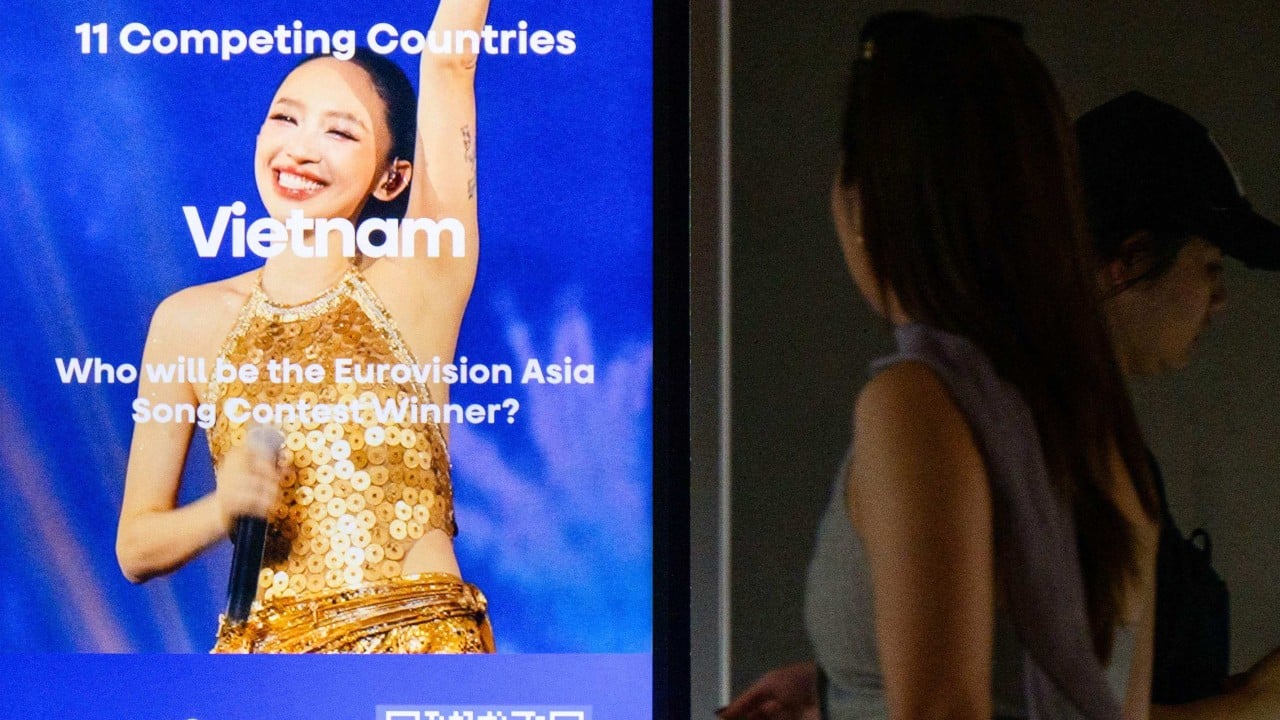
Eurovision, the live song contest that has launched the likes of Abba, Celine Dion and Olivia Newton-John onto the world stage, is set to make its Asia debut in Bangkok this weekend, with a coterie of singers from South Korea and Bangladesh to Malaysia, Thailand and Vietnam.
Organisers of the 11-country contest are hoping to tap Asia’s thriving fan culture and love of music – and at the same time sidestep some of the gaffes and geopolitical controversies that have made the European event an annual cause for humour, intrigue and dispute.
Saturday night’s contest promises a battle between some of Asia’s leading pop brands – with K-pop (South Korea), T-pop (Thailand) and V-pop (Vietnam) all represented. Yet it remains to be seen if the mainly Gen Z singers can carry their large online fan bases with them to build a hitherto unknown brand.
Days before the launch, some young Thais were bemused about what the most European of song contests was doing in Asia.
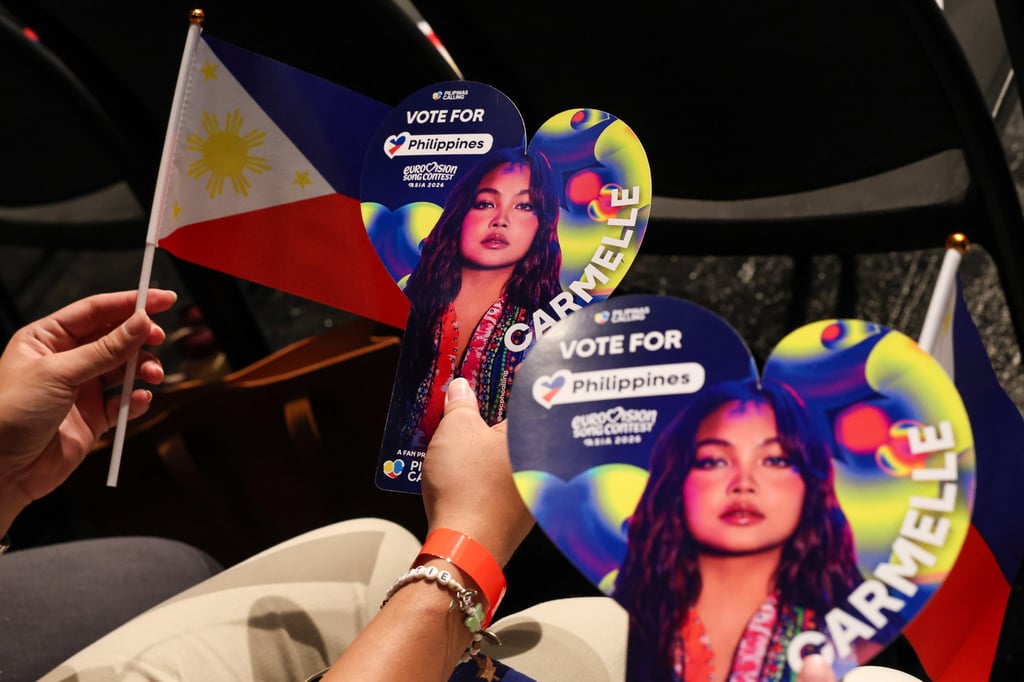
“I have no idea what it is,’’ Nattanicha Inthawong, 22, said. “It sounds familiar”, Wanchanok Utaipattanacheep said, “but I’m not really quite sure why’’.
Organisers hope engagement will ramp up as the weekend approaches with social media traction the barometer for what will also be a televised event.
The Asia debut was “an incredibly exciting milestone’’ for a contest in its 70th year, said Martin Green, director of Eurovision Song Contest.
Indeed, a version for Asia, a continent bursting with musical talent where singing contests are part of the cultural DNA, has had many false starts before – including an effort to launch a similar format in Australia.
Household names
This time, local stars will aim to drive the buzz.
Thailand has a duet by T-pop stalwarts Piyatida Lekklang and Pittaya Saechua, better known as Mang and Daou. Vietnam has superstar Toc Tien performing and South Korea is represented by Park Junhee of K-pop boy band A.C.E. Bangladesh, Laos and Bhutan are also hoping their entries score well.
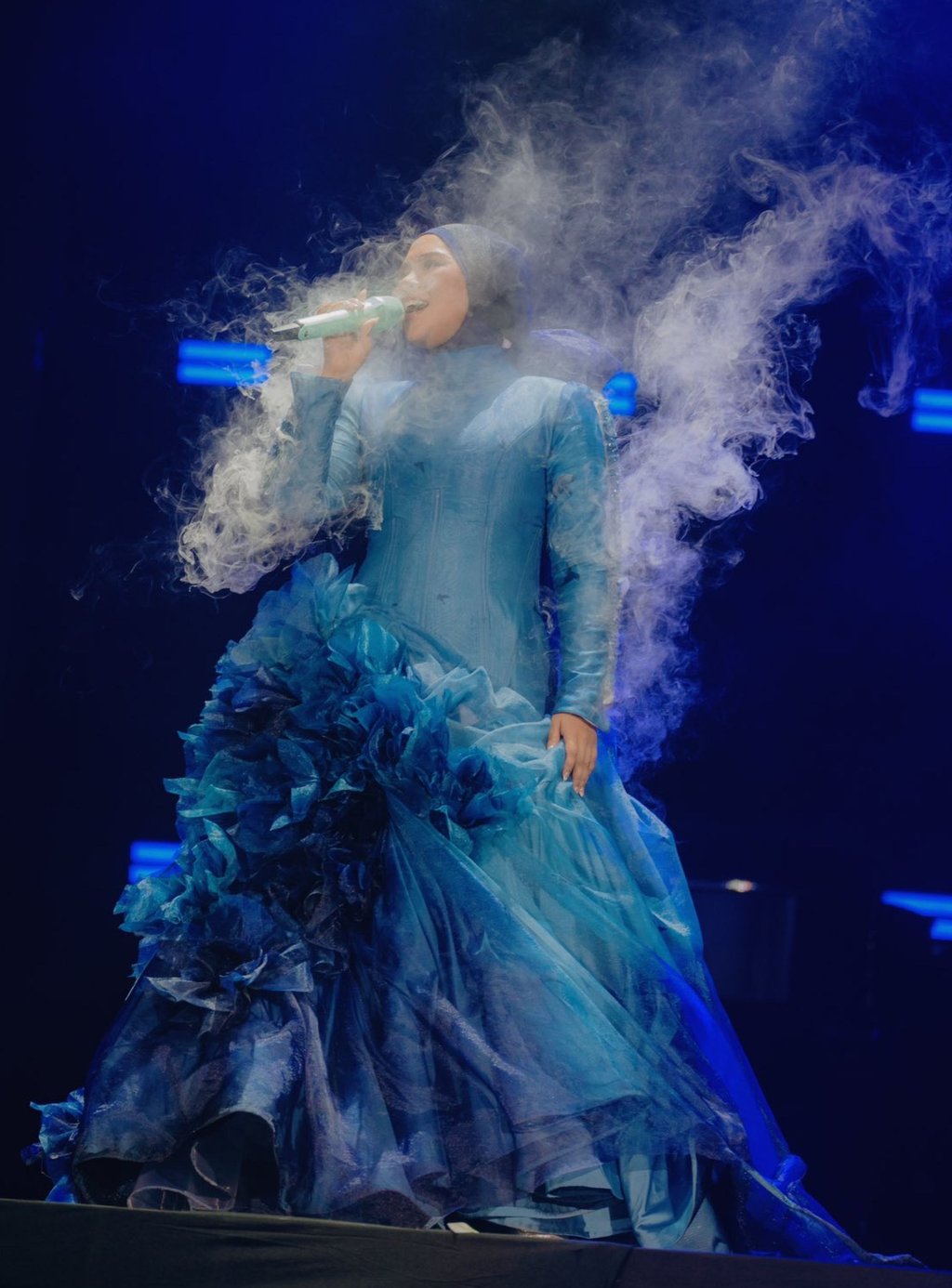
Malaysia’s representative, Aina Abdul, is the only hijab-wearing performer in this year’s contest.
The 33-year-old, who took her country by storm in 2014 as a finalist in a local singing competition, received a grand send-off at Kuala Lumpur International Airport on Monday, as fans met to wave banners and the national flag.
“All the best, we’re so proud of you,” one user who was at the airport said on social media.
Another fan said Aina did not have to prove anything to anyone and just believe in herself. “Whatever happens, remember you have so many hearts cheering for you back home. Malaysia is behind you, Aina,” he said.
Minted in the 1950s, the Eurovision Song Contest has become a shared cultural moment of sorts in Europe, knitting together the diverse cultures and languages of the continent.
Contestants are given around three minutes to entertain and impress voters across the continent with acts ranging from the catchy and tongue-in-cheek to the downright strange. The contest is famous for its eclectic artists, musical genres and often bizarre costumes.
While the power of a television moment has diminished in the digital age, the annual event still draws tens of millions of viewers and generates as many headlines – and voter engagement – for its sociopolitical controversies as the performances themselves.
Those include an alleged public relations effort by Israel to drive its 2025 song to the top of the charts amid calls for a boycott over its assault on Gaza.
Russia has been banned since its invasion of Ukraine in 2022 – with voters backing Kalush Orchestra, the Ukrainian entry that year, to win in a show of political solidarity.
The Asia contest, anchored by Thai celebrity hosts Woody Milintachinda and Cindy Bishop, is seeking to tread on more neutral ground. Still, voters will have a choice of contestants from Thailand and Cambodia, nations engaged in a rancorous border dispute.
The rule prohibiting viewers from voting for their own country encourages the public to choose favourites from rival nations or enter into strategic voting that often turns up shock winners.
KioskNews shows a cleaned-up reading view extracted from the publisher’s page — the original always lives on their site, not ours.