How The New Carrie Adaptation Changes The Source Material

Abby Shewmaker is a journalist covering books, art, entertainment, and culture. She studied Communications and History at the University of California, Los Angeles (UCLA), and is a Contributing Writer at FLAUNT Magazine.
Spoilers ahead for Mike Flanagan's 2026 Prime Video series and Stephen King's novel, Carrie.
The image itself—a humiliated high-school prom queen drenched in pig's blood—is one of the most stark and memorable frames of the last century of film and literature. Stephen King's Carrie has been adapted into several movies, and a new adaptation by Mike Flanagan joined the ranks earlier this month with a limited series on Amazon Prime Video.
Flanagan's adaptation reimagines Carrie in the present day, rather than simply remaking the 1976 film adaptation. This new setting allows the horror series to take on several of the topics most relevant to contemporary high school students—whether that be social media or threats of gun violence in schools. With that, Flanagan's Carrie takes a shape of its own, altering some key elements of the original novel, while also sticking true to the changes of previous adaptations.
A Conventionally Beautiful Carrie White

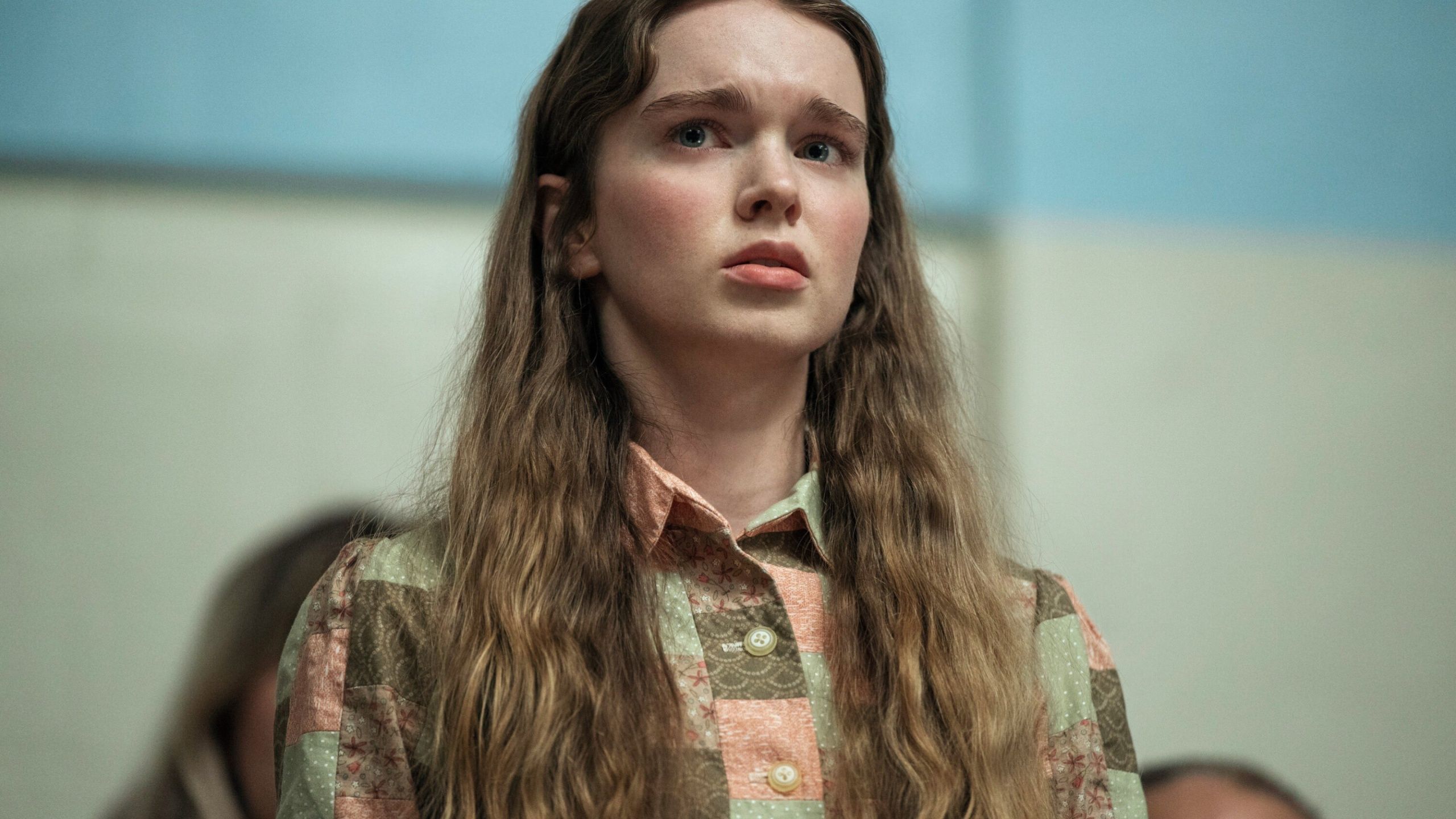
King describes Carrie White as being overweight, acne-prone, and conventionally unattractive, which contributes to the bullying she faces. Flanagan's Carrie White, played by Summer H. Howell, is, frankly, none of those things. For that matter, neither are any of the actors who have portrayed Carrie White on-screen in the major film adaptations (Sissy Spacek in the 1976 film adaptation and Chloë Grace Moretz in the 2013 remake are also thin, clear-skinned, and conventionally good-looking).
Speaking to Teen Vogue, Flanagan explained he wanted to reimagine what makes someone an outcast in the present day; he therefore steered the focus of Carrie's bullying away from her physical appearance and towards her outward presentation (her handmade clothes primarily being an extension of her upbringing cut off from the outside world and contemporary culture). However, the choice reflects a long-held tradition in Hollywood of casting actors who are more beautiful than the source material describes them to play roles that are specifically conventionally unattractive, especially when said characters are female.
There are a myriad of reasons why screen adaptations tend to skew this way—whether that be protecting actors from cruel criticisms of their looks, or in this instance, a creative decision to decenter Carrie White's physical appearance. In doing so, the bullying Carrie endures appears differently than in King's novel. In the novel, Carrie is mocked for falling outside her peers’ beauty standards. In the series, her classmates target her unfamiliarity with their world.
In some ways, this works for the present-day setting. Current high school students place a greater emphasis on being 'in the know' of online and popular culture than they would have in the 1970s, when the original novel was published, and thus, it makes more sense for Carrie's classmates to pick on her for this reason, as opposed to her physical appearance.
The Present Day Makes the Humiliation Harder to Escape

The series’ most effective modern update comes in the locker room. When Carrie panics after getting her first period, Chris and her friends film her and circulate the video online. The phones give the scene an added cruelty. Carrie’s classmates can keep sharing her humiliation after the moment has passed, turning one awful encounter into a public spectacle. In the same discussion with Teen Vogue, Howell said the phones amplify the tragedy of the scene.
The show also places Carrie in a school where lockdown drills are part of the routine. For someone who has barely encountered the outside world, the drill is frightening and confusing. The other students know what to do. Flanagan said the writers spoke with high school students, whose feedback helped shape details including the drill. The scene captures present-day anxiety: these students have practiced responding to violence, while the cruelty unfolding around Carrie continues unchecked.
The online bullying and the lockdown drill give the setting its own pressure. Carrie’s classmates can record her and spread the footage; the school prepares students for a possible attack. Around her, adults still fail to recognize the harm and bullying that occurs in hallways.
A New Age for Margaret White

Carrie's Margaret White has always been terrifying. In King’s novel, her religious fanaticism turns ordinary parts of growing up into evidence of sin, and she abuses Carrie in the name of saving her. Samantha Sloyan’s Margaret remains controlling, but the series gives her a contemporary worldview. She’s a conspiracy theorist and alarmist who believes she’s protecting Carrie from a dangerous outside world. Her fear helps shape their conflict, though it doesn’t excuse her abuse.
The finale adds a major twist: Margaret has telekinetic powers of her own, and she uses them to survive the destruction of the White home. This implies that Carrie may not be the first person in her family to have these abilities, and Margaret’s terror of said powers adds another dimension to this story, implying that she may recognize something in her daughter that she has spent her life trying to suppress.
Carrie's Escape
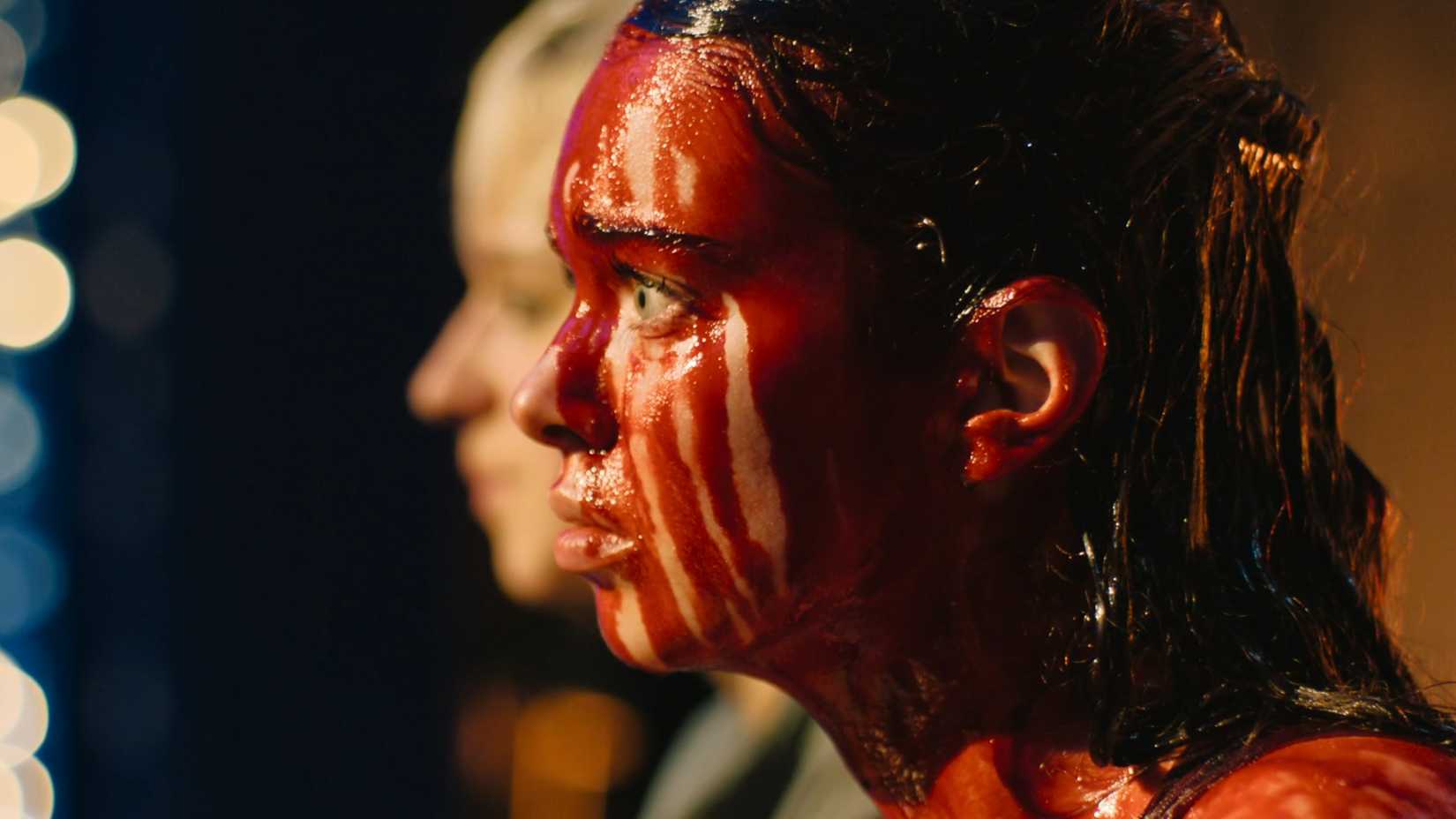
King’s novel ends with Carrie dying after prom. Flanagan’s version lets her survive and leave Chamberlain with Emaline. Margaret also survives the destruction of their home, before Adelaide, one of the women investigating the family, later kills her.
The ending opens Carrie’s story into King’s wider supernatural universe. The show gestures toward the “Shining” and the Institute, and the network of gifted women gives Carrie a world beyond her school and her mother’s house. Prime Video renewed Carrie for a second season on Oct. 22, giving that wider story room to develop.
Flanagan keeps the blood-soaked prom and the cruelty that leads to it, then changes where Carrie’s story goes. This Carrie White has been kept from the world, thrown into it all at once, and the audience watches as she struggles to find her place. King’s version ends with the town’s violence consuming her. Flanagan leaves her alive and asks what she might become next.
Carrie Continues
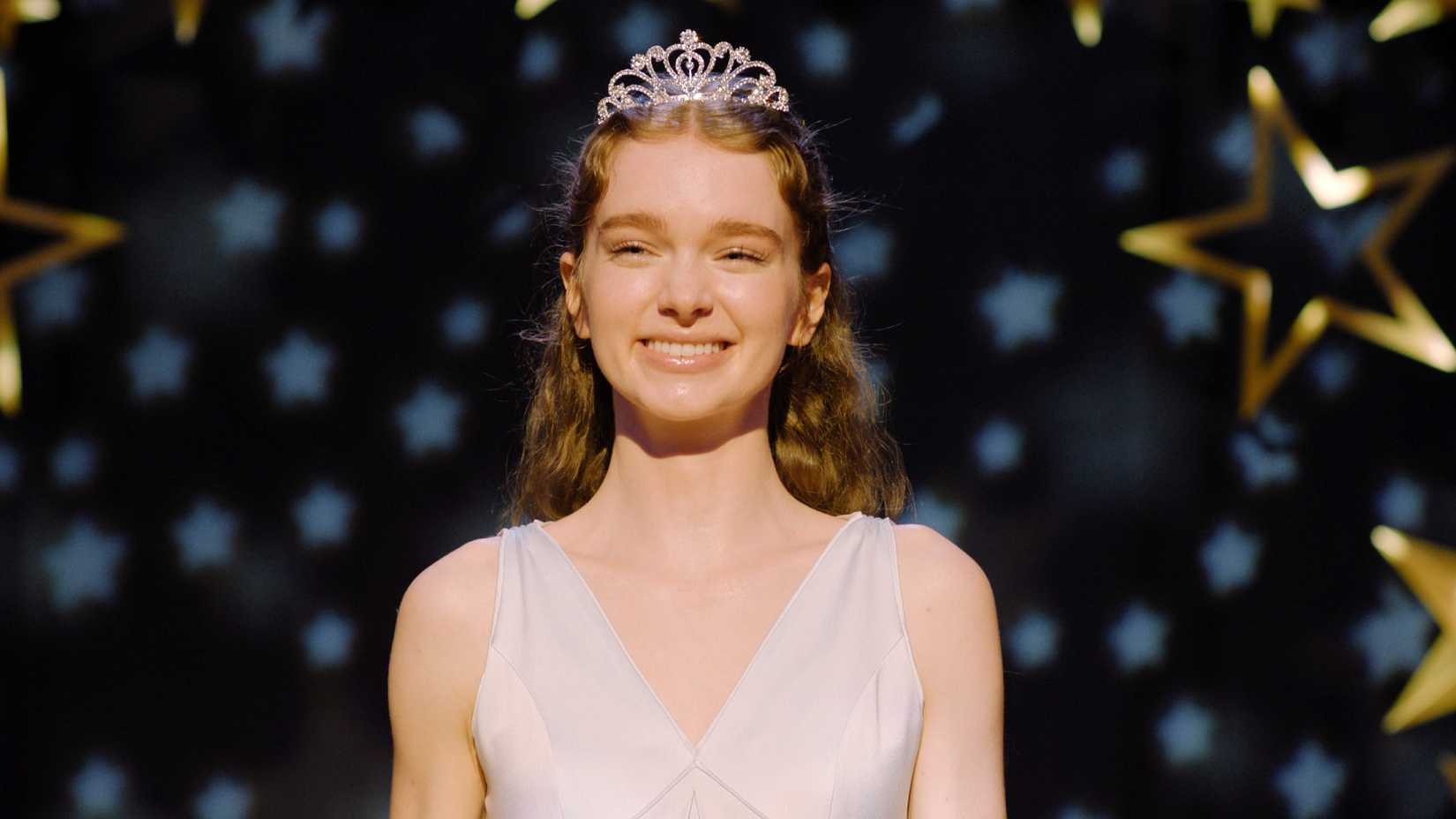
Prime Video’s Season 2 renewal means Flanagan’s Carrie will continue beyond King and Carpenter's. That open-ended future has already sparked a fan theory that Season 2 could bring in another King novel, Christine, with Chris Hargensen’s spirit tied to the killer car, a possessed 1958 Plymouth Fury in the novel. Alison Thornton has responded to the idea, though Prime Video has yet to announce or confirm the second season’s plot (The Hollywood Reporter). Flanagan says he and King imagined a story that goes “far beyond the prom.” The next season will show just how far.
Question 1 of 3

- Release Date
- 2026 - 2026-00-00
- Network
- Prime Video
- Showrunner
- Mike Flanagan
- Directors
- Mike Flanagan, Axelle Carolyn, Hiromi Kamata, Kate Siegel, Kyra Sedgwick
- Writers
- Mike Flanagan, Alexandra Magistro, Justina Ireland, Jamie Flanagan, Elan Gale, Rebecca Klingel, Elizabeth Padden, Dani Parker
-

Summer H. Howell
Carrie White
-

Samantha Sloyan
Margaret White
KioskNews shows a cleaned-up reading view extracted from the publisher’s page — the original always lives on their site, not ours.