Could the China-Nepal disaster spur a safety rethink for a flagship rail project?
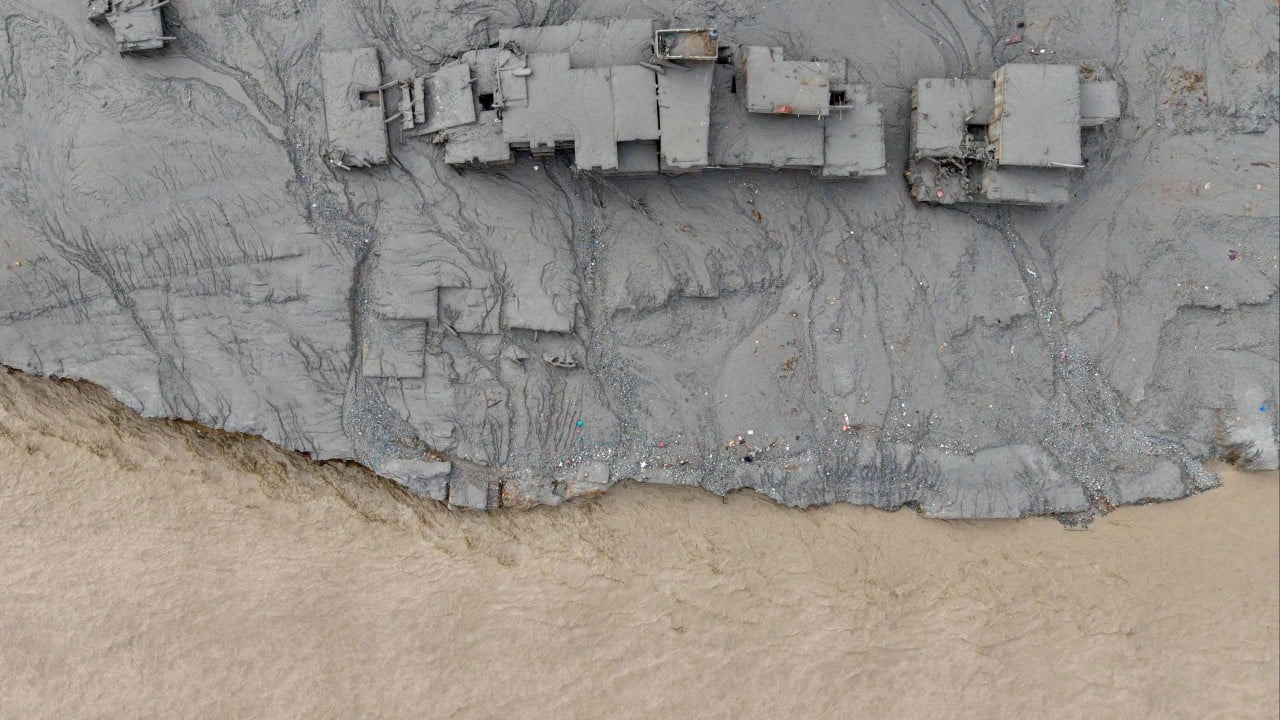
This week’s devastating floods on the China-Nepal border could be a catalyst for joint early-warning systems, particularly in relation to a proposed rail link between the countries.
Rescuers were still struggling on Thursday to reach Gyirong Port in the Tibet autonomous region where a mudslide struck a day earlier, following flash floods from Nepal.
The port is the region’s main foreign trade gateway, which handles a third of China’s trade with its neighbour. Gyirong is also one end of a multibillion-dollar trans-Himalayan project connecting Tibet with Kathmandu.
The project was proposed in 2016 but bad weather, poor local infrastructure and geopolitical friction have resulted in little progress.
Researchers on both sides of the border say the location of the disaster highlights the need for a joint approach to hazard management, particularly on such infrastructure.
They underlined that need in a social media post on Thursday on the “China-Nepal Railway and South Asia Exchange”, a social media account that has brought Chinese and Nepali researchers together to track the railway project since 2022.
KioskNews shows a cleaned-up reading view extracted from the publisher’s page — the original always lives on their site, not ours.