How to use a solar panel to charge your phone
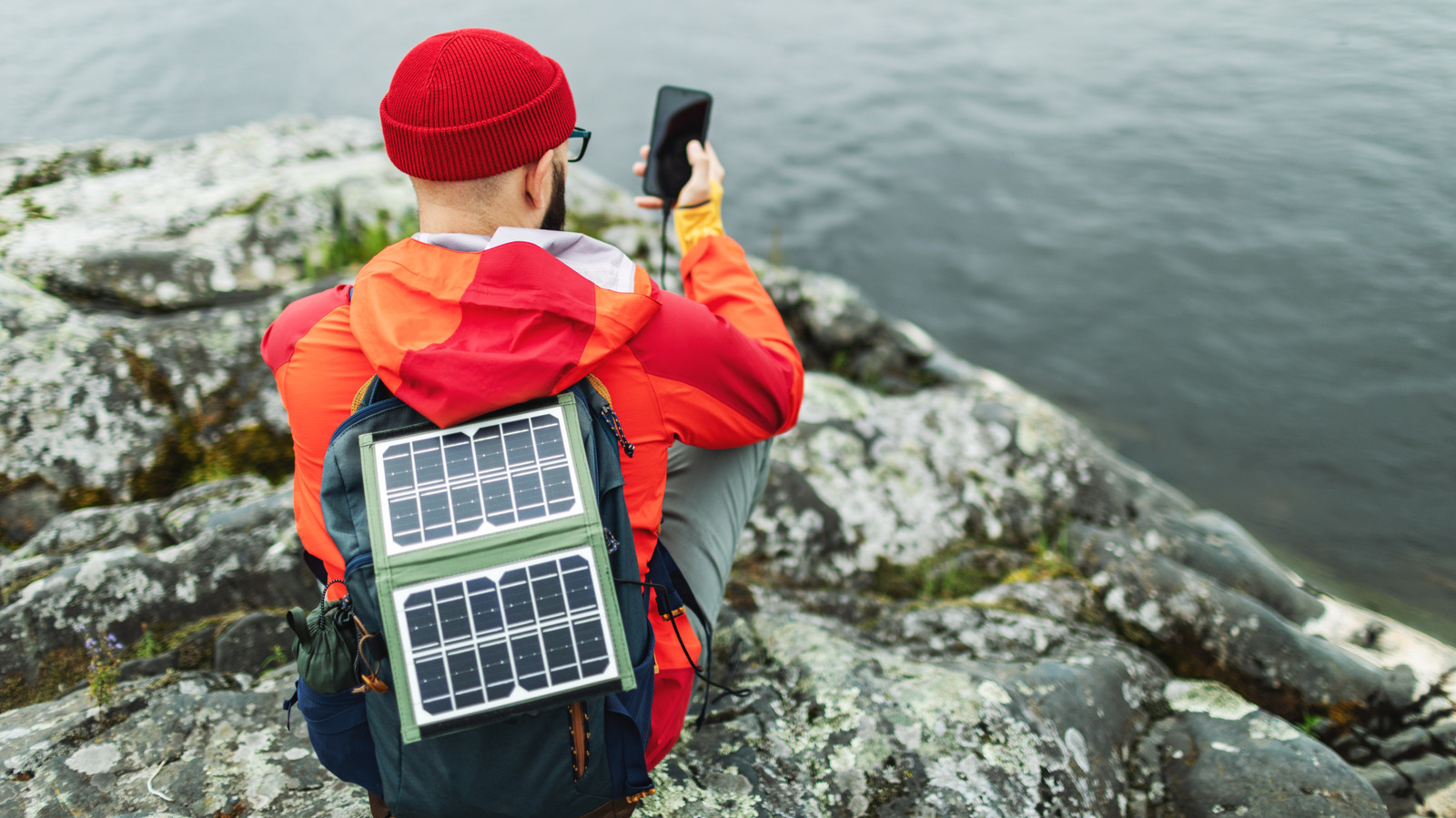
Panel-only chargers, built-in batteries and portable power stations all work differently, so here's how to find the right fit.
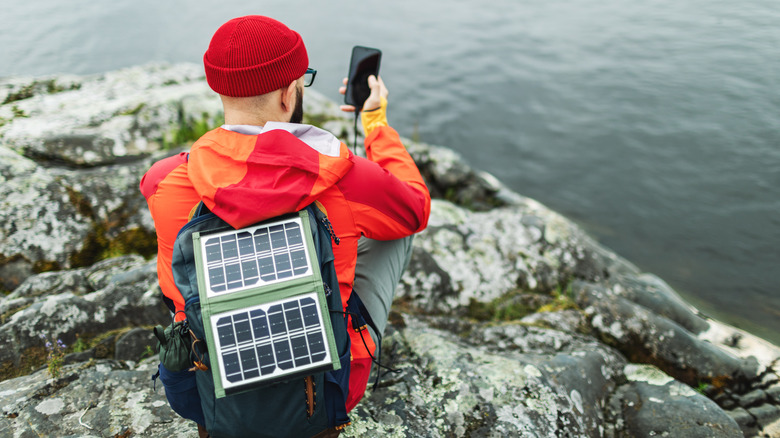
Julpo/Getty Images
When you're out hiking, far away from an electrical outlet or stuck in a power outage, having a backup power bank for your phone and other devices makes sense. But a power bank will eventually run out, possibly leaving you with a phone battery in the red. If you're looking to prevent the inevitable panic that comes with a dead phone, a solar panel charger might be an option for you.
While there's a whole range of solar-powered chargers on the market, you can find smaller, lighter ones that can recharge devices like phones and laptops. They might be a good fit, particularly if you're on the move. You'll have a few decisions to make about the type of charger that works best for you, as well as the features you'll want, like charging ports and safety protections. Whether you're heading out on a camping trip or just looking to bypass the electrical grid, here's what you need to know about charging your phone with a portable solar charger.
Three types of solar-powered chargers
anatoliy_gleb/Shutterstock
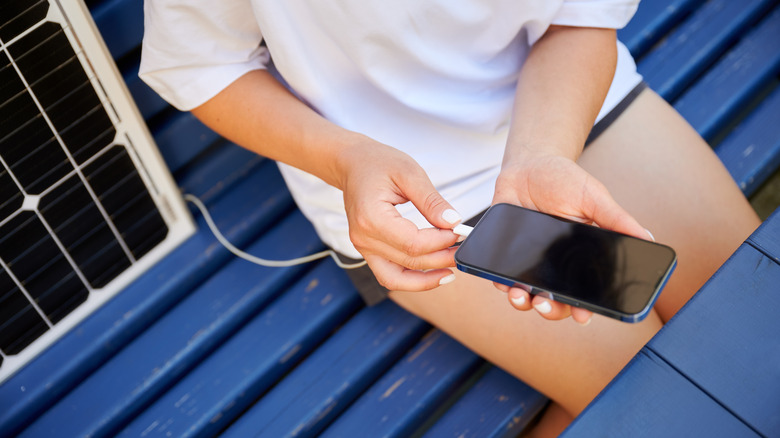
There are several types of solar-powered charging devices to pick from, and the one you get will largely depend on what you're going to use it for. A panel-only charger lets you plug a device like a phone directly into it. The panels convert sunlight into power, but there's no other way to store that power once it's been captured. A panel-only charger might be better suited for shorter-term use, particularly if it's sunny out.
Other chargers come with built-in batteries, so you can store energy and use it later, creating an extra layer of convenience. If you're camping for a few days, for example, this duo of panels and battery could make it easier to stay charged and give you more control of when you do the charging.
Finally, you can spring for a portable power station. While different models will have different features and capacities, a power station will generally let you charge several devices at the same time. It will also have battery storage. It may not be as easy to tote around as the others, but there are some compact units on the market weighing as little as 4 pounds.
What to look for in a charger
Magic Lens/Shutterstock
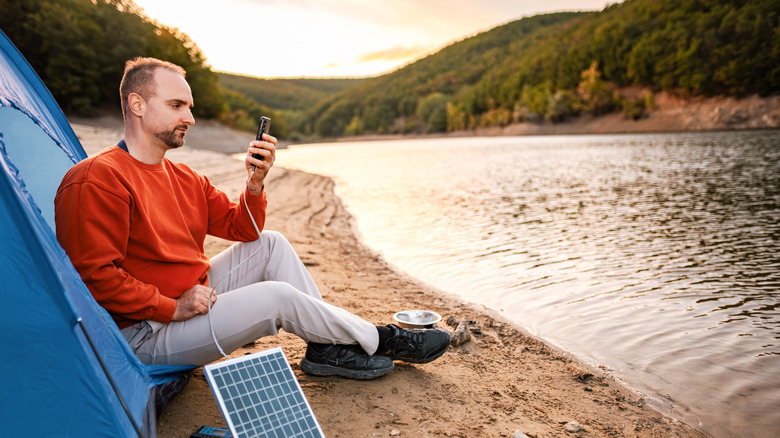
When you're deciding on a portable solar charger, there are a few considerations you want to make. For one, there's wattage. A model that's smaller and lighter-weight might be able to produce 15-50 watts. This range should work fine for charging smaller devices like your phone. It's important to remember that the wattage will be impacted by variables like cloud cover or how the device is angled toward the sun, so you might not always get the wattage listed on the packaging. These factors will change charging time too.
In addition, consider the number of ports that come with a portable solar charger. Some solar panel chargers will let you plug your phone directly into them with a USB-C port. Also think about how you'll be using it. A bigger, bulkier solar charging device might be harder to lug around if you're camping or hiking. Some chargers fold, making them easier to carry, or have stands that will help you better position the panels toward the sun. Others can clip to a backpack. Finally, be mindful of safety features like water and weather resistance, overcharge protection and temperature control.
KioskNews shows a cleaned-up reading view extracted from the publisher’s page — the original always lives on their site, not ours.