10 Times Archie Comics Went Beyond the Teenage Love Triangle
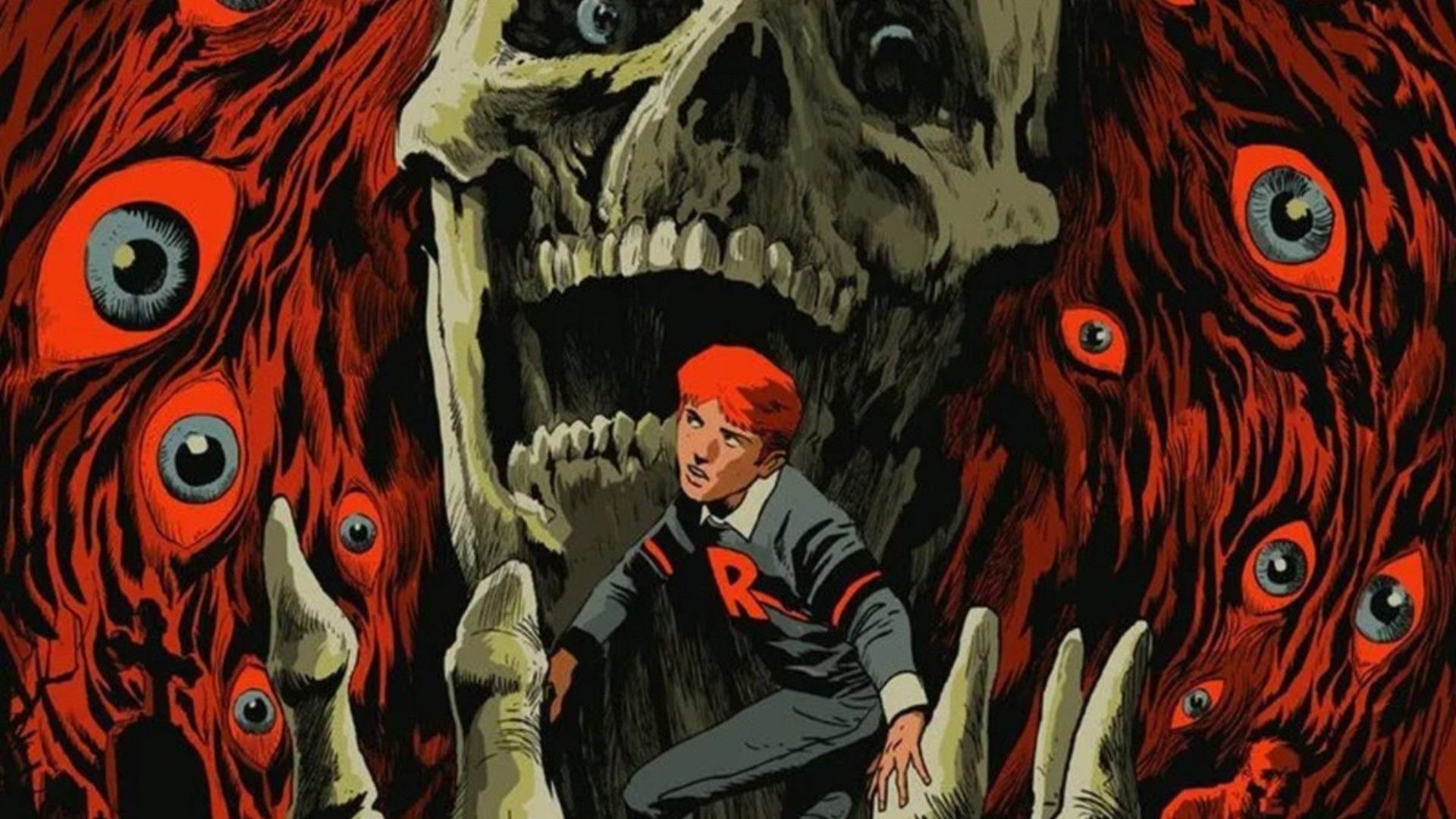
Beyond the comical beauty and otherwise of Riverdale, Archie Comics, at its core, is an extensive perspective on triangular romance. Since his debut in 1941, Archie Andrews has spent most of his publication history bouncing between the girl-next-door, Betty Cooper, and the spoiled rich girl, Veronica Lodge. That central dynamic became a cultural touchstone, deeply ingrained in pop culture.
However, beneath the slapstick comedy and teenage drama lies a surprisingly experimental publishing history that routinely shattered its own cosy formula. Over the years, Archie Comics repeatedly experimented with wild genre mashups, high-stakes supernatural horror, and biting social commentary. Its willingness to take creative risks is what endeared it to fans.
Whether through mature alternative-universe imprints like Archie Horror or startlingly grounded main-continuity storylines, these tonal left turns transformed familiar caricatures into compelling dramatic leads. This article highlights 10 times Archie Comics went beyond the typical love triangle, stepping out of its comfort zone to tell bold and creative stories with the Riverdale cast.
10 Archie Meets Ramones (2016)

Archie Meets Ramones (2016) follows Archie and the gang as they are thrown into the gritty, punk rock-fueled era of the 1970s. Struggling to find their musical voice, it seemed the Archies were done as a band. However, when Sabrina gives Archie an old Ramones album, it sends the group back to 1976, where they meet the Ramones.
The Ramones mentor the teenagers, teaching them to channel authentic energy and defiance into their music rather than chase commercial polish. In the end, the crossover celebrated punk’s DIY ethos, proving Riverdale’s garage band could truly rock hard. Archie Comics is at its best when it places its characters in wild situations and fully embraces the bizarre premise.
9 Archie Meets Batman ‘66 (2018)
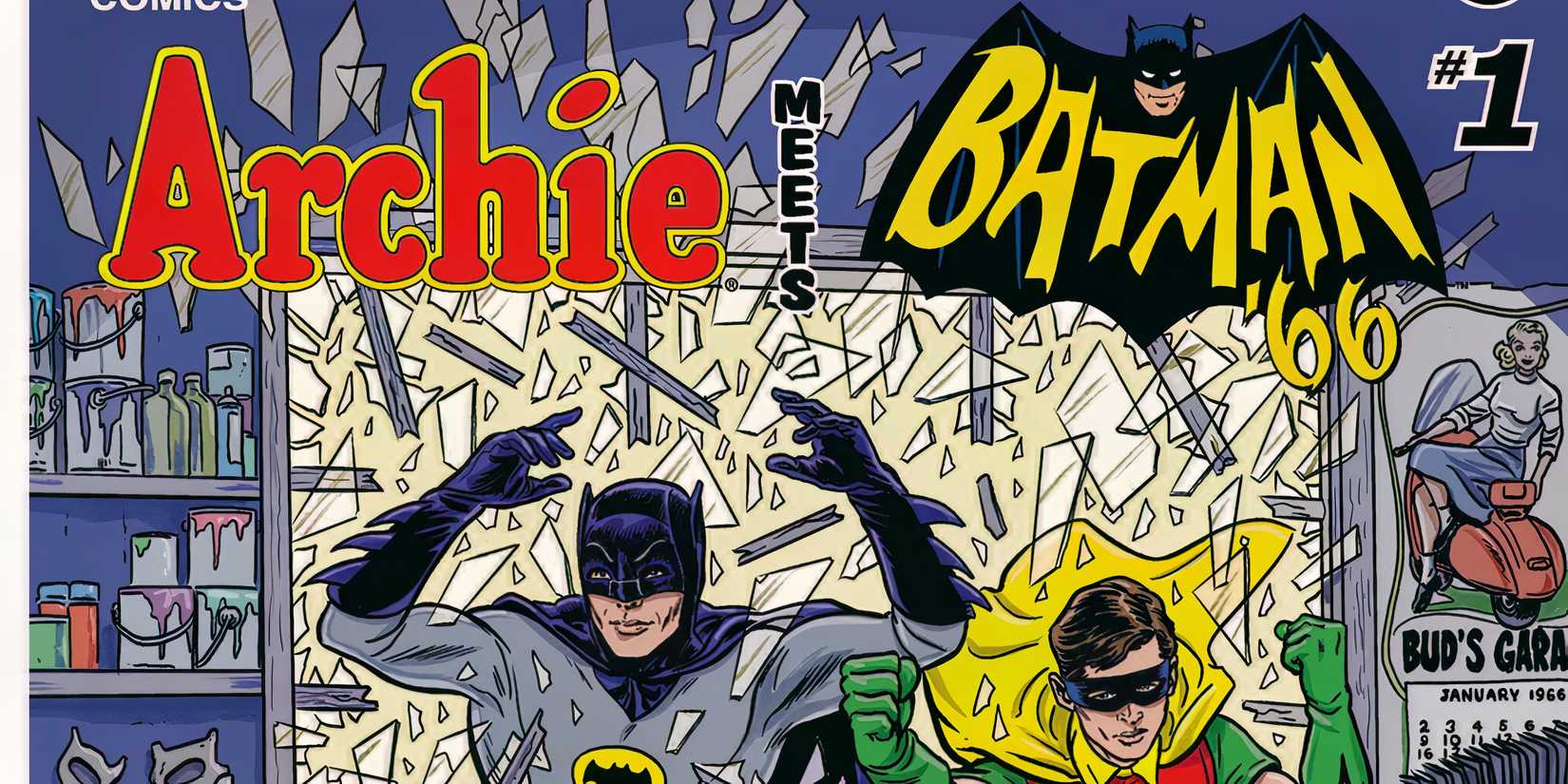
Archie Meets Batman ‘66 is a limited series published in 2018 that saw the lovable redheaded teenager Archie Andrews meet the Dark Knight himself. Archie Comics teamed up with DC to bridge two beloved pop-culture icons. The miniseries fully embraces campy superheroics to create a uniquely captivating story.
The story begins when Gotham’s notorious rogues infiltrate Riverdale through a hypnotic scheme. After Batman’s villains brainwash their parents, Archie and his friends summon the Caped Crusader and Robin. Together, the Dynamic Duo and Riverdale’s teens foil the villains' plans with classic sixties detective gadgets, upbeat teamwork, and colourful Silver Age charm.
8 Jughead #4 (2016)

Jughead #4(2016) made the earth-shattering reveal, canonising Jughead Jones as asexual and confirming fans’ suspicions. Chip Zdarsky and Eric Henderson’s series Jughead made headlines for addressing Jughead’s sexuality in a casual mention, opening the door to a new approach to teen fiction and serving as a milestone for the fan-favourite character.
The issue starts with Jughead theorising that Riverdale has become a training ground for secret agents. Naturally, none of his friends believes him, so he sets out to prove what's been happening behind the scenes. The next day, during a conversation with Kevin Keller, Kevin laments the recent rise in school suspensions.
As one of five gay students at Riverdale, Kevin laments that the suspensions have limited his romantic options. He then casually says Jughead doesn’t get it because he’s asexual, and Jughead agrees, saying it keeps his head clear since he’s not “hobbled by hormonal impulses”.
7 Archie’s Madhouse #22 (1962), Sabrina’s debut
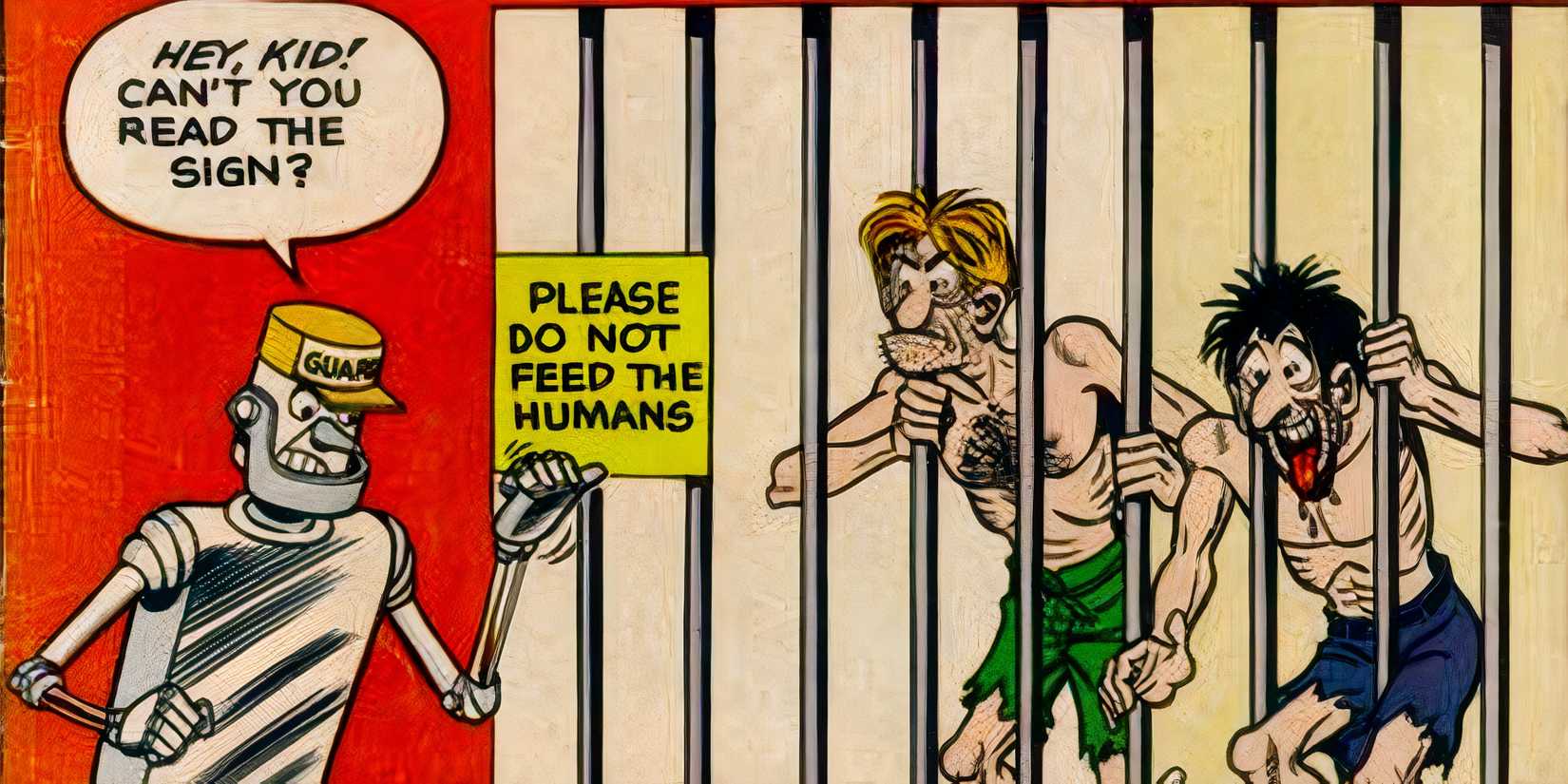
In 1962, fan-favourite character Sabrina Spellman was created and made her first appearance in Archie’s Madhouse #22. Crafted by writer George Gladir and artist Dan DeCarlo, this issue shifted away from Riverdale’s grounded teen slapstick toward the supernatural. It delivered offbeat comedy as a young sorceress navigates her magical abilities and her black cat, Salem.
Sabrina’s early adventures centred on spells gone awry and eccentric witch-world customs. DeCarlo’s sleek linework gave the character a distinct visual charm that bridged classic Archie aesthetics with whimsical fantasy. Sabrina’s introduction also presented the opportunity to create an independent supernatural corner within its rapidly expanding universe, leading to the creation of the comic book Sabrina the Teenage Witch.
While she was originally intended to be a one-off character, Sabrina’s popularity warranted more appearances and even her own solo title. She would later get a loose television series in Chilling Adventures of Sabrina on Netflix. Her 1962 debut laid the foundation for Archie’s later, darker ventures into genuine occult horror.
6 Archie vs. Predator (2015)
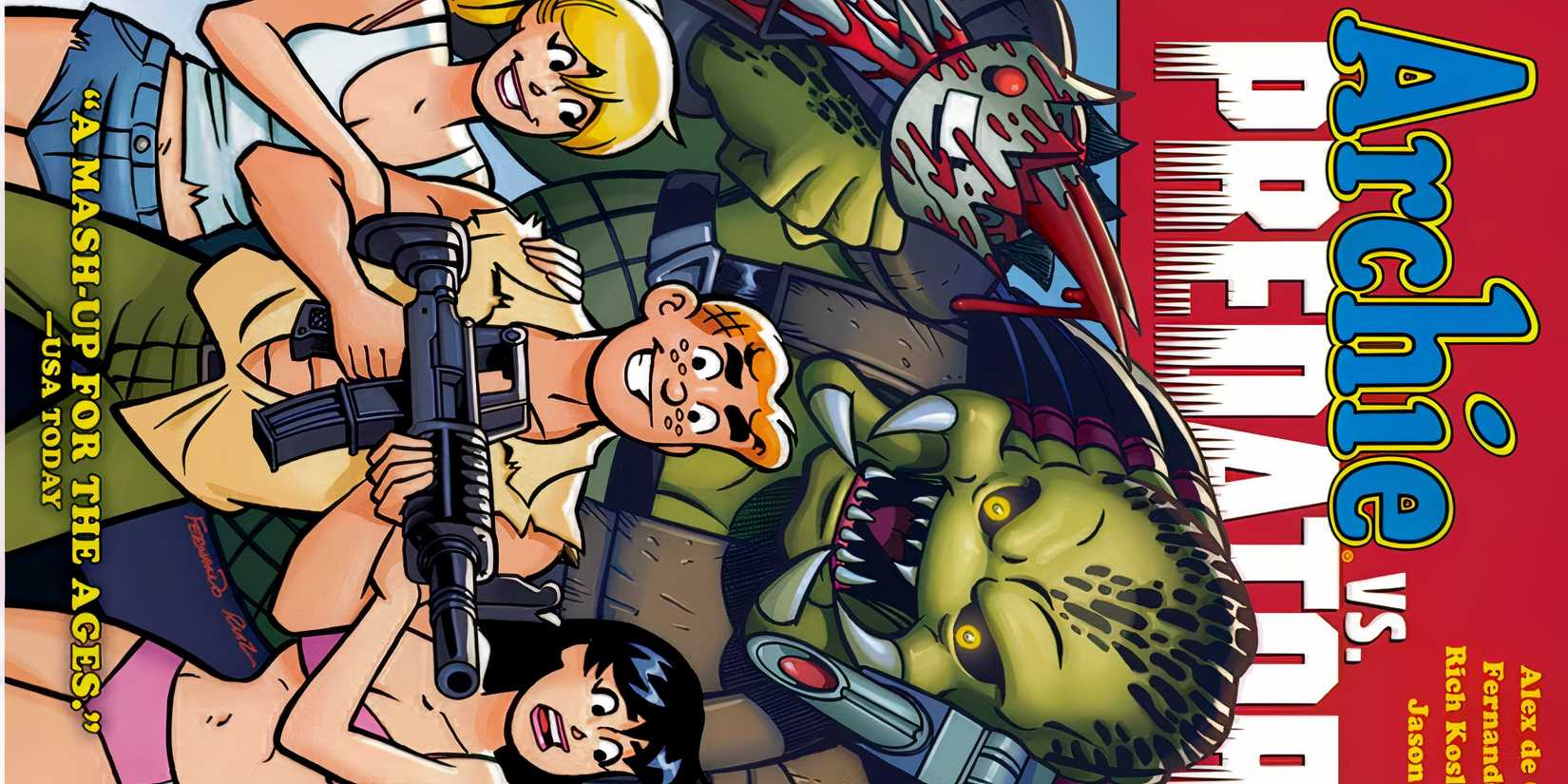
Archie Comics teamed up with Dark Horse to pit Riverdale’s teens against sci-fi’s deadliest hunter in Archie vs. Predator. This ambitious crossover, written by Alex de Campi and drawn by longtime Archie artist Fernando Ruiz, is injected with genuine stakes as the Predator’s brutality is on full display.
The miniseries begins with a tropical spring break when Betty and Veronica accidentally attract the attention of the Predator who landed nearby. Their vacation gets turned into a bloodbath as the Predator follows them back to Riverdale, killing several people in the process and putting the characters in a desperate struggle for survival.
5 Archie Meets the Punisher (1994)

In 1994, Archie Comics orchestrated one of the wildest crossovers and tonal collisions in comic history with Archie Meets the Punisher (1994). Written by Batton Lash with dual art by John Buscema and Stan Goldberg, the crossover brought Marvel’s lethal vigilante directly to Riverdale. This was a far cry from the teenage drama and love triangles the series is known for.
The plot hinges on a case of mistaken identity: Red, a ruthless drug dealer who resembles Archie Andrews, flees to Riverdale, where Frank Castle, sent by the United States government, tracks him down. He mistakes Archie for Red, and chaos follows as Archie and his friends are drawn into the world of organised crime.
Ultimately, Castle realises his error and teams up with the Riverdale gang to rescue Veronica from the real criminals. The publisher played the crossover completely straight, which allowed for all the characters to shine in a way that felt natural. The departure from teenage love triangles to embrace the crime thriller elements associated with the Punisher created an unforgettable crossover.
4 Chilling Adventures of Sabrina (2014)
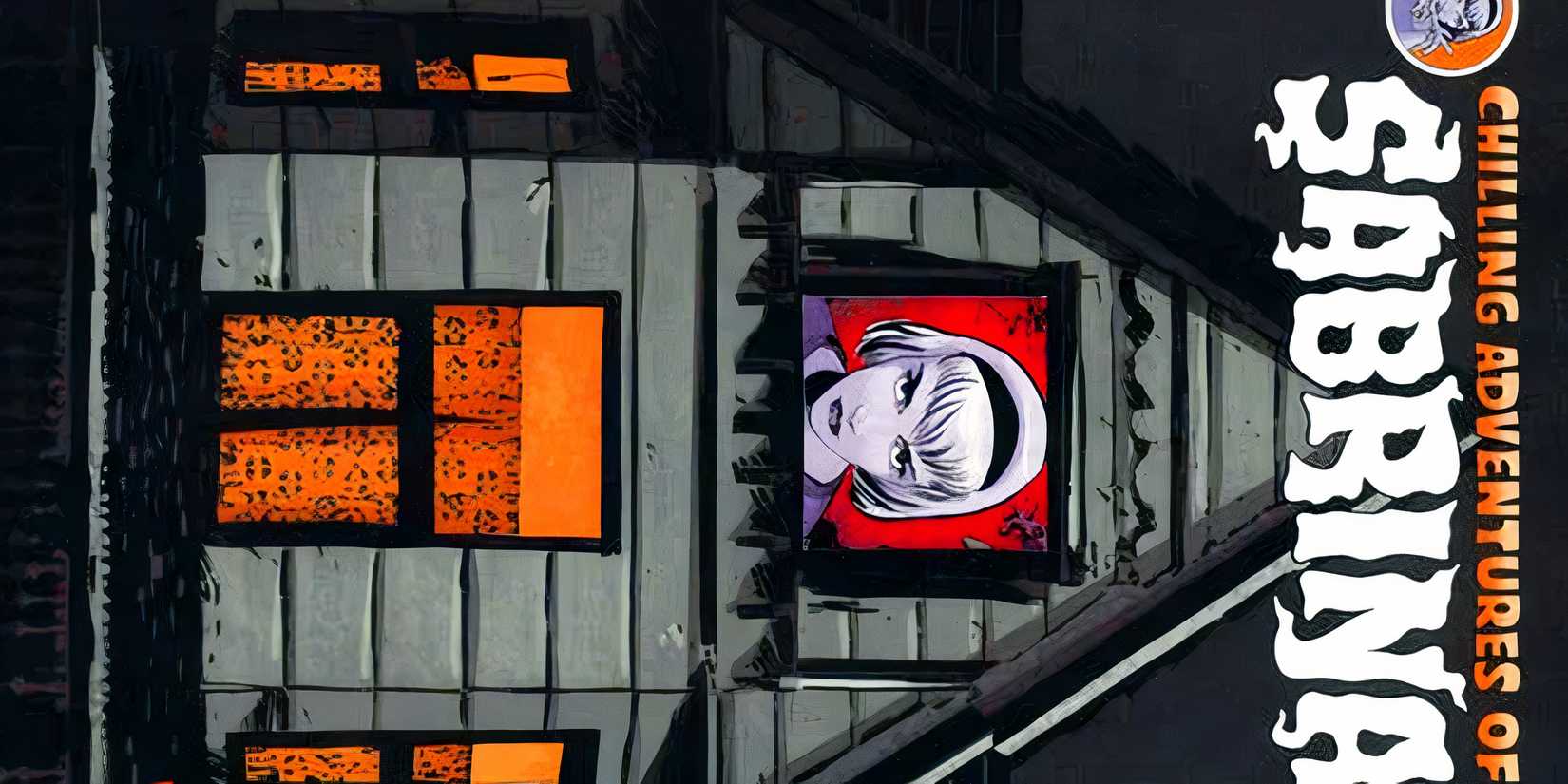
Chilling Adventures of Sabrina (2014) saw Archie Comics reinvent its resident teen witch as an occult horror icon. The series traded lighthearted sitcom energy for a darker tone. Set in Greendale, the story follows sixteen-year-old Sabrina Spellman as her upcoming Dark baptism forces her to choose between her mortal boyfriend and her sinister coven.
Hack’s vintage, textured artwork evoked classic horror cinema, bathing familiar characters like Hilda, Zelda, and Madam Satan in unsettling shadow. Every spell carried gruesome consequences, replacing Archie’s traditional slapstick whimsy with suffocating gothic paranoia and genuine psychological terror. The series cemented Archie Horror as a powerhouse imprint capable of rivalling top independent publishers.
3 Kevin Keller’s debut, Veronica #202 (2010)

Veronica #202 became instantly iconic for introducing Kevin Keller, the first LGBTQ+ character in Archie Comics history. He was the publisher's first openly gay character and is beloved by fans. Upon release, Veronica #202 sold out, cementing Kevin as a fan-favourite character and treating his sexuality with emotional maturity.
Initially, Veronica Lodge becomes infatuated with the handsome new transfer student, much to Jughead’s dismay. The punchline arrives when Kevin casually reveals that he is gay, rendering Veronica’s usual romantic manoeuvres completely ineffective. The story treats his sexuality as an everyday reality, tastefully portraying it as something natural rather than being heavy-handed with the message.
2 Afterlife with Archie (2013)
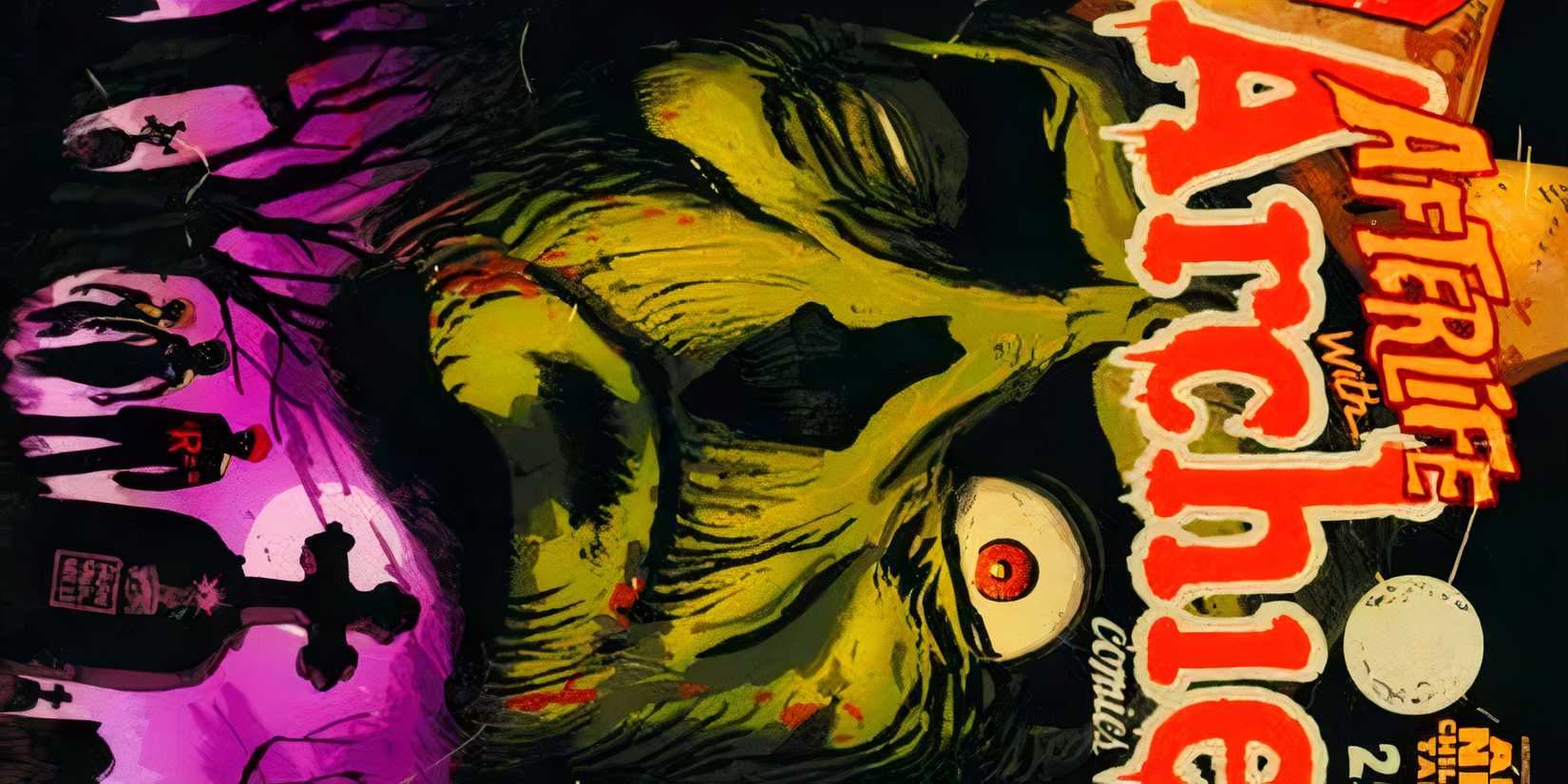
In October 2013, Archie Comics plunged Riverdale into a terrifying zombie apocalypse with the launch of Afterlife with Archie. Written by Roberto Aguirre-Sacasa and illustrated by Francesco Francavilla, the series abandons lighthearted teen comedy for bleak survival horror. The story begins when Jughead asks Sabrina to revive his beloved dog, Hot Dog, but this has horrible consequences.
Hot Dog becomes a zombie, bites Jughead, turning him into one and spreading the contagion. Beloved characters were forced to make agonising life-or-death choices, permanently shattering the franchise’s long-standing status quo, where nothing truly bad ever happened to the gang. The series shows what the publisher is capable of when it steps out of its comfort zone.
1 Life with Archie #36 (2014)
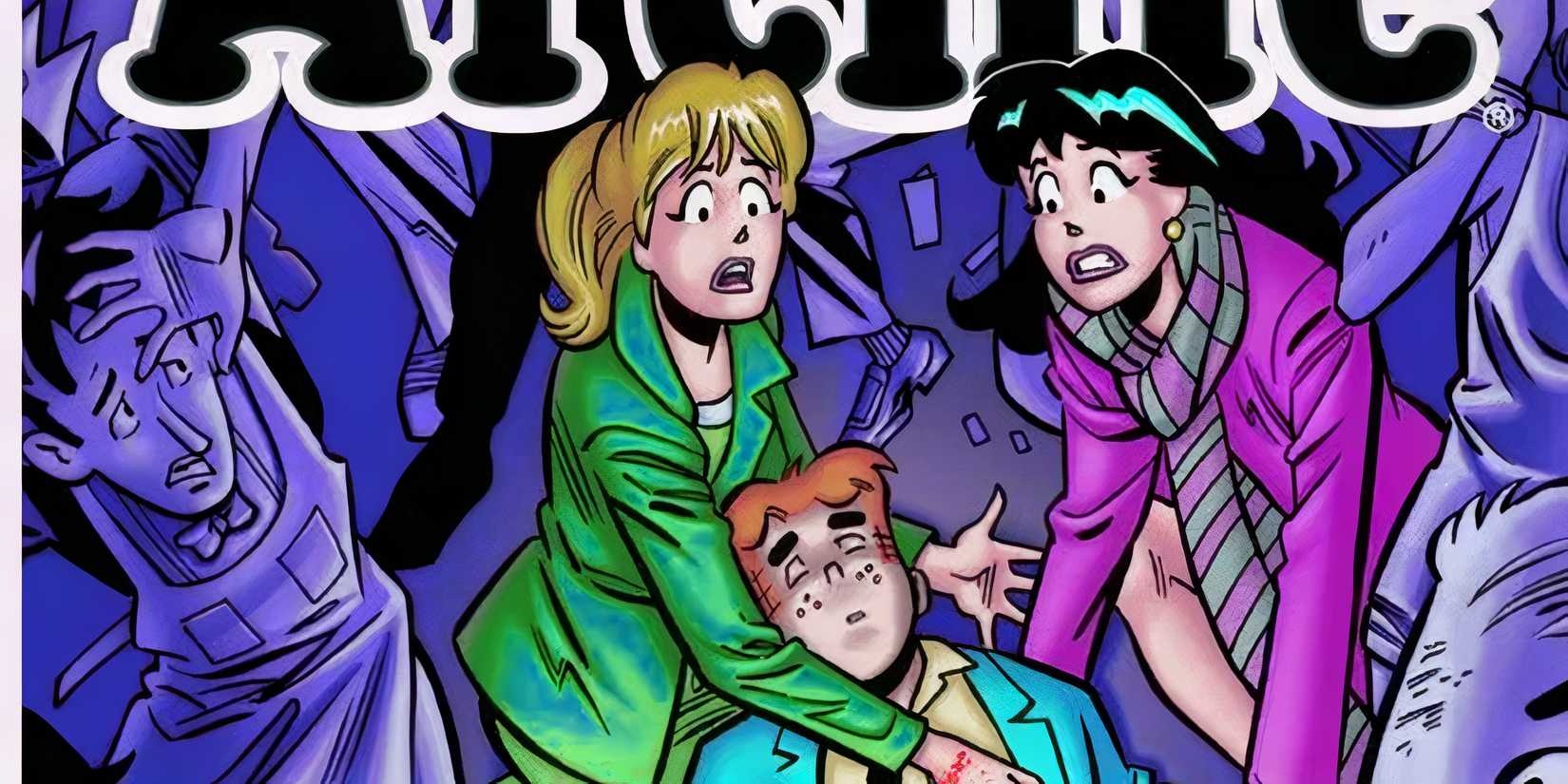
Archie Comics stunned the pop culture world in July 2014 by killing off its iconic redheaded protagonist in Life with Archie #36. This penultimate issue concluded an alternate-universe series exploring the gang's adult lives. The climax delivered a heart-wrenching farewell to one of comics' most beloved characters.
During a heated confrontation at Pop’s Chock’lit Shoppe, an armed assassin targeting the newly elected Senator Kevin Keller makes his attempt. Without hesitation, Archie Andrews leaps into the line of fire, taking a fatal bullet to save his friend’s life. His final words to Betty and Veronica were “I’ve always loved you…”.
This comic subverted expectations by doing the unthinkable, delivering a tragic yet heroic ending for one of the most popular characters in Archie Comics history, Archie Andrews himself. Ultimately, Life with Archie #36 proved that the publisher could explore mortality, sacrifice, and political extremism just as well as it does teen drama.
- Writer
- Bob Montana, John L. Goldwater
- Penciler
- Various
- Inker
- Various
- Colorist
- Various
KioskNews shows a cleaned-up reading view extracted from the publisher’s page — the original always lives on their site, not ours.