14 Palawan offshore oil, gas deals threaten marine biodiversity
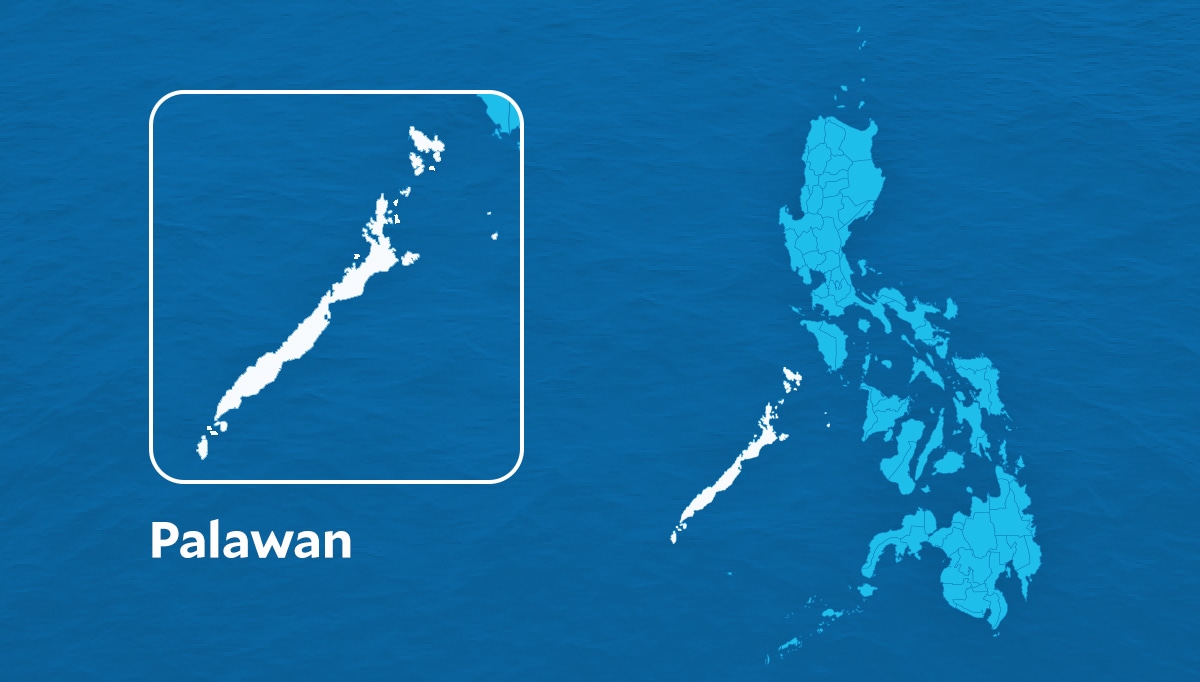
CALAPAN CITY, Oriental Mindoro — Fourteen of the country’s 22 active petroleum service contracts (PSCs) are located in waters surrounding Palawan, raising concerns over potential threats to marine biodiversity, protected areas and coastal communities, an environmental group said.
The Center for Energy, Ecology, and Development (CEED) raised the alarm on Friday in its report, “Don’t Drill Paradise,” a scoping paper on oil and gas exploration and development in the Philippines.
The report said at least four of the 14 contract areas in Palawan were near protected areas, including the UNESCO World Heritage-listed Tubbataha Reefs Natural Park, the El Nido-Taytay Managed Resource Protected Area and the Malampaya Sound Protected Seascape.
Article continues after this advertisement
READ: Palawan, a Philippine biodiversity hotspot, pushes back on miningFour other active contracts were within municipal waters and overlapped with Fisheries Management Areas. These posed potential risks for fishing grounds and coastal livelihoods from offshore oil and gas activities.
FEATURED STORIES
NEWSINFO
NEWSINFO
NEWSINFO
Palawan, declared a Biosphere Reserve by the United Nations Educational, Scientific and Cultural Organization and often described as the country’s “last ecological frontier,” is known for its rich marine and terrestrial biodiversity.
Gerry Arances, CEED executive director, said oil and gas exploration could harm marine ecosystems even before actual extraction begins.
He cited noise pollution from exploration activities that could damage marine animals’ hearing, cause stress, and disrupt essential biological activities.
Other potential impacts include oil spills, methane pollution, threats to livelihoods and health risks, he said.
Article continues after this advertisement
“For a country that has an abundant potential for renewable energy, it makes no sense to harm critical biodiversity and our last ecological frontier for energy sources that only contribute to worsening the climate crisis,” Arances said.
READ: New gas find to power 5.7M households a year
Article continues after this advertisement
Atty. Gerthie Mayo-Anda of the Puerto Princesa-based Environmental Legal Assistance Center (ELAC) questioned the number of petroleum service contracts surrounding Palawan, saying stakeholders needed greater access to scientific information and consultations on the province’s energy development plans.
She said Palawan’s ecological significance, established through decades of scientific research, should be considered in evaluating offshore exploration proposals.
“It is very ironic that we have these many service contracts now surrounding us,” Mayo-Anda said, adding that stakeholders remained uncertain about the energy master plan being implemented in the province.
She also questioned the extent of scientific assessment and public consultation in the process.
On Oct. 20, church leaders, civil society organizations, environmental advocates, Indigenous Peoples’ groups and fisherfolk organizations launched the “Defend Palawan” campaign to protect the province’s food security, communities and biodiversity from fossil fuel extraction activities.
Fr. Mon Herher of the Social Action Center of the Apostolic Vicariate of Puerto Princesa called for a transparent review of offshore oil and gas exploration proposals, particularly those that could affect protected areas and vulnerable communities.
He said the province’s seas sustained fisheries, tourism and the food supply for coastal families.
READ: AFP steps up Malampaya patrols after new gas find
Your subscription could not be saved. Please try again.
Your subscription has been successful.
“We must not wait for irreversible damage before we act,” Herher said./coa
KioskNews shows a cleaned-up reading view extracted from the publisher’s page — the original always lives on their site, not ours.