Delhi’s AQI ‘Very Poor’ for 4th day in a row, to be ‘severe’ on Diwali weekend
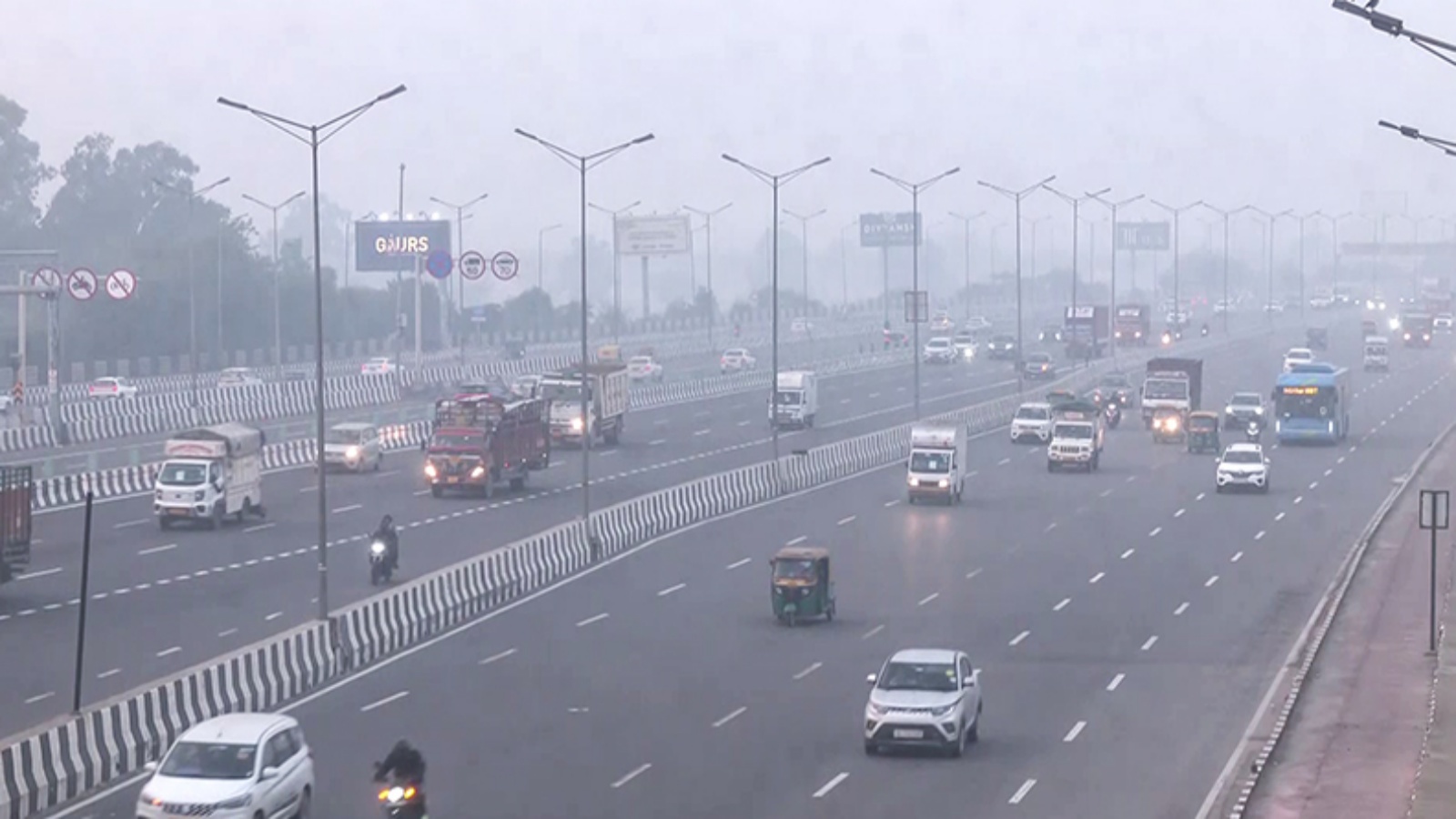
Shortly after registering the cleanest October average in eight years, the air quality in Delhi has deteriorated once again. The city’s Air Quality Index (AQI) remained in the ‘Very Poor’ category for a fourth consecutive day on Thursday, with the index settling at 369. Neighboring cities in the NCR registered comparable levels, with Gurugram standing at 339 and Noida at 283, according to the Central Pollution Control Board (CPCB) data.
The situation is likely to worsen in the coming days, with forecasts of ‘Severe’ AQI from Friday to Sunday. “The outlook for the subsequent 6 Days: The air quality is likely to be in the Severe to Very Poor category,” read a bulletin by the Indian Institute of Tropical Meteorology (IITM).
Pollution levels remained on the higher side despite fewer stubble-burning incidents recorded across states like Haryana, Punjab and Uttar Pradesh. According to data from the IITM’s Decision Support System, high baseline emissions stemming from road and construction dust, alongside vehicular, residential and industrial pollution continue to drive the surge. Adverse weather conditions, such as lower temperatures and reduced wind speeds, is said to be aggravating the situation by trapping pollutants.
Punjab Pollution Control Board officials, meanwhile, said that unseasonal rains delayed the paddy harvest in the state, meaning stubble burning could still rise in the coming days. Forecasts from the IITM’s Decision Support System reveal that the contribution of farm fires to PM2.5 emissions will climb from 16% to around 19% by Friday.
On Thursday, satellites detected 837 paddy residue burning events, as per the Indian Agricultural Research Institute. Of these, 440 were recorded in Punjab, 216 in Madhya Pradesh, 18 in Haryana, 64 in Uttar Pradesh, 90 in Rajasthan, and nine in Uttarakhand. So far, 5,637 burning events have been logged this season, since September 15.
Experts attributed the recent surge in PM2.5 levels mainly to industrial emissions, pollutants originating outside city boundaries, and secondary particulate matter pollution, according to the Centre for Research on Energy and Clean Air’s latest analysis on Thursday.
“Industry was the largest domestic contributor to India’s population-weighted PM2.5 concentrations at 18%, followed by residential sources at 15% and power generation at 13%. Emissions originating outside city boundaries accounted for 82 to 89% of urban PM2.5 concentrations across 143 Indian cities,” said Manoj Kumar, lead researcher at Creating Resources for Empowerment in Action.
Story continues below this ad
“Secondary PM2.5 accounted for 62% of annual ambient PM2.5, highlighting the importance of controlling gaseous precursors, such as nitrogen dioxide and sulfur dioxide alongside directly emitted particulate matter.”
Last month, Delhi was the lone megacity with a monthly average PM2.5 concentration exceeding the daily NAAQS, at 69 µg/m³, the Centre for Research on Energy and Clean Air’s analysis noted.
KioskNews shows a cleaned-up reading view extracted from the publisher’s page — the original always lives on their site, not ours.