Why US-China rivalry narrows Southeast Asia’s trade and foreign policy options
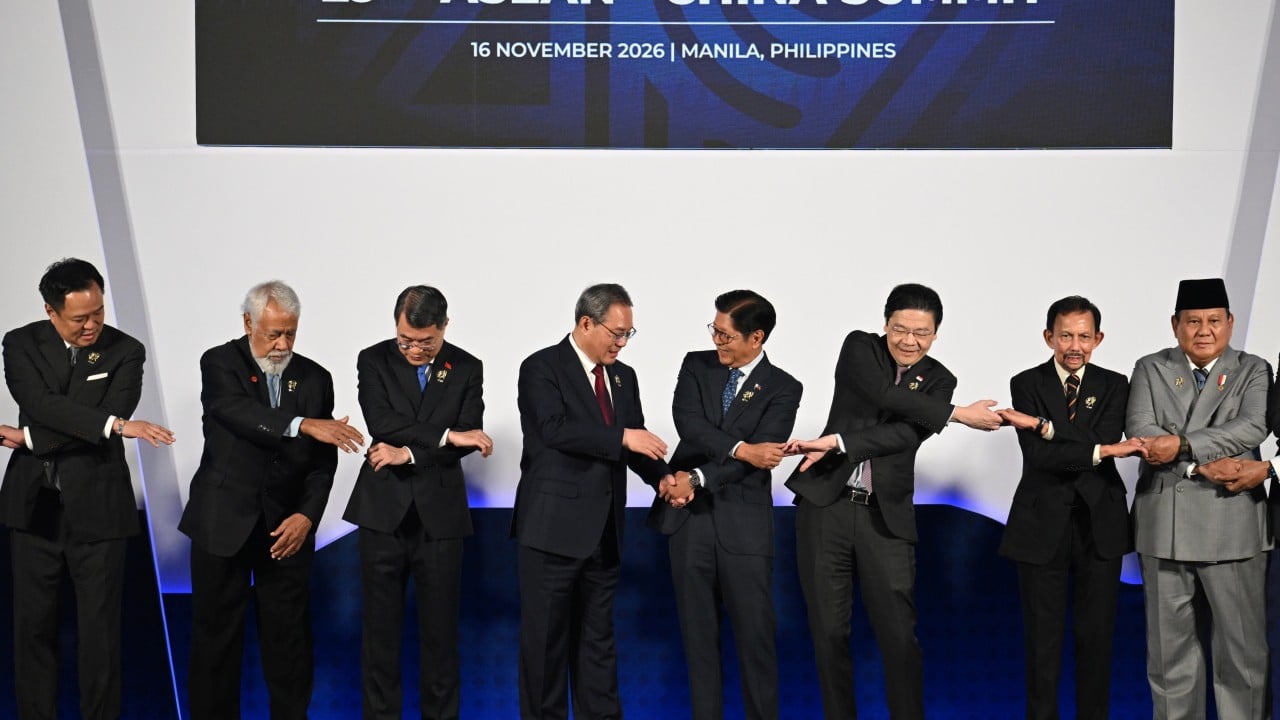
The intensifying rivalry between the US and China is limiting Southeast Asian nations’ trade and foreign policy options, analysts have said, in response to a report on the relative power of countries in Asia.
According to the Lowy Institute’s annual Asia Power Index released on Sunday, the region had maintained “modest resilience” amid challenges such as the US and Israel’s war on Iran, tough US trade talks and tariffs and continued tensions in the South China Sea.
The index assessed the power of 27 countries and territories using 131 indicators across eight areas, ranging from military and economic capabilities to diplomatic influence and resilience, drawing on quantitative data and expert assessments.
“The ongoing conflict in the Middle East and the closure of the Strait of Hormuz, which disrupted global energy supply chains, hit Southeast Asia particularly hard in 2026,” the report read. Higher fuel and fertiliser prices had constrained food and agricultural production across the region, compounding political pressures on regional leaders, it added.
Hunter Marston, director of the Southeast Asia programme at the Lowy Institute in Sydney, who was the index’s co-lead author, said: “Southeast Asian countries are overly exposed to supply chain disruptions and volatility in energy prices. In terms of political stability and future resources, the region looks well positioned to continue growth overall.”
Charmaine Misalucha-Willoughby, a professor of international relations at De La Salle University in Manila, said that given that Southeast Asian nations were either small or middle powers, they had fewer options to stay resilient in the face of geopolitical challenges.
“In a world dominated by great powers, states in Southeast Asia have learned – often by circumstance and largely by necessity – to continuously adapt and push forward,” Willoughby said.
Noting the Asia Power Index’s “modest resilience” assessment for Southeast Asia, she said the region had shown “grit and drive to carry on despite compounded setbacks”.
The report said while the region appeared “well positioned to weather future shocks”, the level of resilience varied across countries due to the varying degree of exposure to trade upheavals.
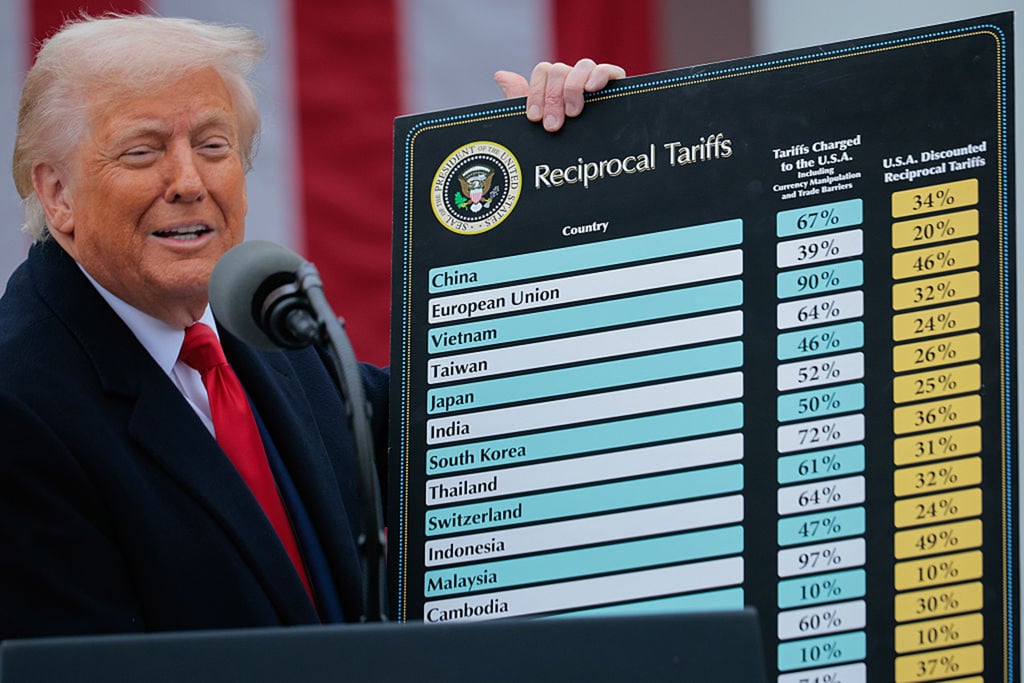
At the individual country level, the report noted that Vietnam’s power fell the most due to its high exposure to trade upheavals, with trade accounting for 190 per cent of its GDP.
“As with most other Southeast Asian states, China is Vietnam’s largest trading partner, accounting for 31 per cent of its total two-way trade in 2025,” the report read, making Hanoi “particularly vulnerable to external shocks and coercion such as tariffs or political pressure”.
SCMP Plus is a new premium news platform that gives you an
all-inclusive edge to stay ahead on China news.
To access our exclusive content you’ll need to subscribe.
Already a subscriber?
LOG IN
Sharon Seah, a senior fellow at the ISEAS – Yusof Ishak Institute, said the region could bolster its trade resilience by continuing to take advantage of free trade agreements (FTAs), such as the Regional Comprehensive Economic Partnership, the Comprehensive and Progressive Agreement for Trans-Pacific Partnership, the Asean-China and Asean-Australia-New Zealand FTAs.
Indonesia’s power also declined in the report, with the Lowy Institute citing “pessimism” surrounding Indonesian President Prabowo Subianto’s foreign policy, which it said was “undermining Indonesia’s long-held commitment to non-alignment”.
Seah said that the Indonesian foreign affairs ministry “seems to have faded into the background”, with the country’s foreign policy appearing to be driven by its leader.
“One of the peculiar decisions that Indonesia made this year was to join Trump’s Board of Peace, which risks undermining Indonesia’s traditional independent and active foreign policy stance,” she said.
While the US and China remained the dominant powers in Asia, the lead enjoyed by the Americans over the Chinese fell to its lowest level at 5.3 points in 2026 since the Asia Power Index began in 2018.
“The gap in military capability, in particular, is at its narrowest point on record. This narrowing divide owes more to Washington’s missteps than to any major advances on Beijing’s part,” the report read.
17:37
Malaysia’s Anwar says easier to deal with China than US amid tech tensions
It cited how the ongoing unresolved war with Iran had eroded US military capabilities and “profoundly undermined perceptions of US diplomatic influence both regionally and globally”.
Willoughby said that the US-China rivalry had led to a decline in Southeast Asia’s diplomatic influence.
“As the index emphasises a contested regional balance of power, by necessity the small and middle powers of the region lose what little leverage they might have had in the past. This does not necessarily mean the end of the utility of hedging as a strategy, but rather that international politics is still, to a large extent, great power politics,” she added.
Seah said Southeast Asia would have to relook at its hedging strategies to ride out the global geopolitical storm.
“The room for diplomatic manoeuvre for Southeast Asia has shrunk considerably in the increasingly hostile geopolitical environment, so countries [should] pursue a diversified portfolio of relations with partners outside the region to hedge their options.”
KioskNews shows a cleaned-up reading view extracted from the publisher’s page — the original always lives on their site, not ours.